Some injuries heal on their own. Others dig in and stay. If your first step out of bed brings a stab of heel pain, or your elbow lights up every time you grip a coffee mug, or your shoulder simply refuses to reach the top shelf anymore, you already know the difference. Rest helped a little. Ice helped a little. Then you went back to normal life, and the pain came right back.
That stalled-out feeling is common with soft tissue injuries. Tendons and fascia have limited blood supply, so when they get overloaded, the repair process can slow down or stop before the tissue is fully rebuilt. The pain becomes chronic not because you did something wrong, but because the healing cycle never finished. StemWave therapy uses focused acoustic waves to restart that stalled repair process in the exact tissue that hurts, without drugs, needles, or downtime.
Keep reading to find out how these waves work inside your body, which stubborn pain patterns respond best, what a real visit and care plan look like, and how this option compares to medication, injections, or surgery. Lasting relief here means more than a quiet week. It means gripping, walking, reaching, and sleeping without planning your day around the pain.
How Focused Acoustic Waves Support Repair
StemWave is a non-invasive device that sends focused acoustic waves into a specific spot of damaged tissue. The waves create mechanical pressure inside the tissue, and your cells respond to that pressure by turning on repair signals they had gone quiet on.
From the Applicator to the Targeted Area
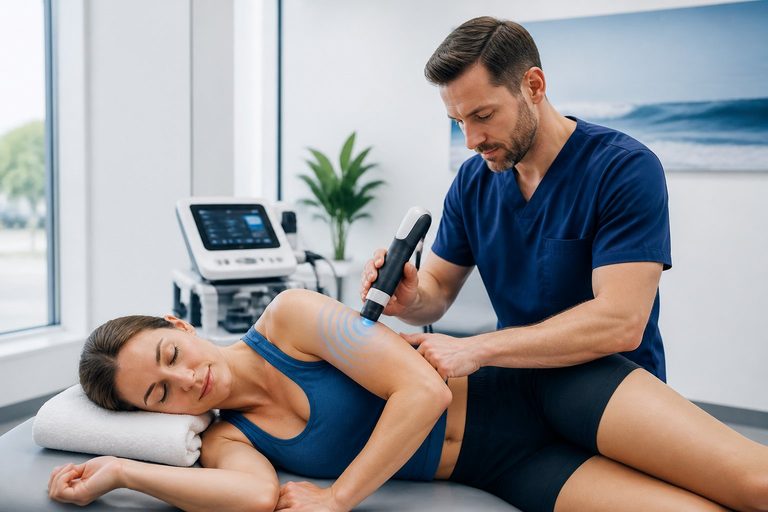
A gel is applied to the skin first, the same way it is for an ultrasound. The StemWave applicator is then placed over the sore area, and focused waves travel through the skin into the tissue underneath.
No cutting, no needles, and no numbing cream. The energy passes through the surface and concentrates at depth, so the treatment can reach tendons and fascia that a topical cream never touches.
Your provider adjusts the depth and intensity based on where the problem sits. Plantar fascia is close to the surface. A rotator cuff tendon sits deeper.
Blood Flow, Cellular Activity, and Healing Signals
Once the waves reach the target, three things tend to happen in the tissue:
- Local blood circulation increases, bringing oxygen and nutrients to an area that had poor supply
- Cellular activity picks up, restarting the signaling that drives tissue repair and collagen rebuilding
- Pain and inflammation settle down as irritated tissue begins to remodel instead of staying stuck
A 2024 systematic review and meta-analysis of 45 clinical trials on shockwave therapy for tendinopathies supports this mechanism: the mechanical pulses trigger growth factors that drive new blood vessel formation in the treated tissue, and the pooled results showed a real reduction in pain across the same conditions covered here, including plantar fasciitis, rotator cuff tendinopathy, and lateral epicondylitis (tennis elbow).
That last point matters most for chronic cases. Old injuries often carry disorganized scar tissue, and stimulating the area can help the body reorganize it.
What “Natural Healing” Can and Cannot Mean
Natural healing is a fair phrase here, but it deserves honesty. The device does not grow new tendon for you. It stimulates the biological process your body already owns and gives it a reason to re-engage.
That also means results build over time rather than arriving all at once, and it means the treatment works best when the tissue can heal in the first place. Which brings up the real question: which pain patterns actually fit this approach?
Pain Patterns That May Respond to This Approach
StemWave therapy is most often used for musculoskeletal conditions involving tendon, fascia, or muscle that have stopped healing. These are the injuries people describe as “it should be better by now.”
Plantar Fasciitis and Persistent Heel Pain
Plantar fasciitis hurts worst with your first steps in the morning because the fascia tightens overnight, then gets stretched all at once. Through the day it loosens and eases, so many people assume it is improving. Then it returns after sitting.
Rest alone rarely fixes it because the tissue is degenerated, not just irritated. Stimulating blood flow directly into the fascia targets the actual damage instead of quieting the symptom.
Tendonitis, Tendonosis, and Elbow Pain
Tennis elbow and golfer’s elbow both come from repetitive strain and tiny tears where the tendon attaches to bone. Early on, that is tendonitis with real inflammation. Left alone for months, it often becomes tendonosis, which is degeneration with little inflammation.
That distinction changes everything. Anti-inflammatory medication does very little for tendonosis, which is why so many people take pills for weeks and feel no different. Acoustic wave treatment targets the degenerated tissue itself.
Frozen Shoulder, Knee Pain, and Overuse Strain
Shoulder pain from a thickened joint capsule limits reaching and sleeping. Knee pain from patellar tendonitis or arthritis flares on stairs. Muscle injuries from overuse linger when you keep training on them.
In each case, restricted movement leads to less use, less use leads to poorer circulation, and poorer circulation further slows repair. Breaking that loop is the goal.
When Neuropathy Symptoms Need a Different Evaluation
Burning, numbness, or tingling signals something different than soreness. Diabetic neuropathy and nerve compression need a proper diagnosis first, because the cause may sit in the spine or in your blood sugar control, not the painful area itself.
That’s exactly what a good first visit is for.
What a Personalized Visit and Care Plan Look Like
Your first appointment is an evaluation, not just a treatment. A healthcare professional needs to know why the tissue stopped healing before pointing a device at it.
Assessment, Mapping, and Treatment Goals
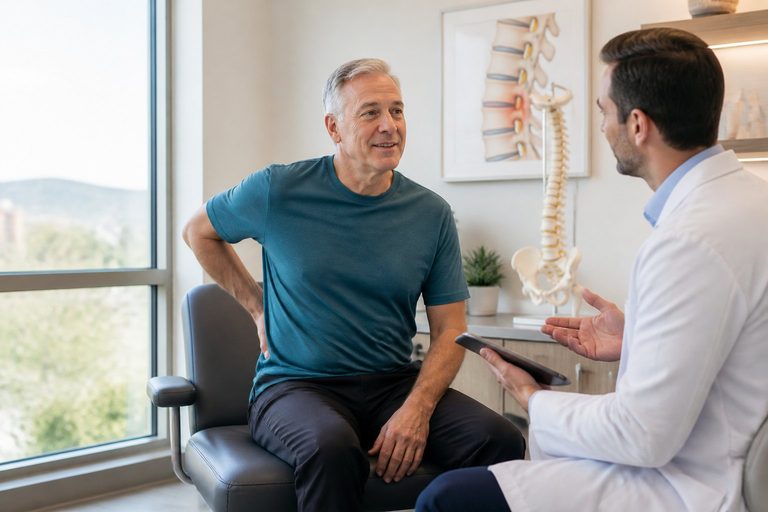
Expect questions about how the pain started, what makes it worse, and what you have already tried. Then comes hands-on testing: range of motion, strength, and pressing along the tissue to map the exact painful points.
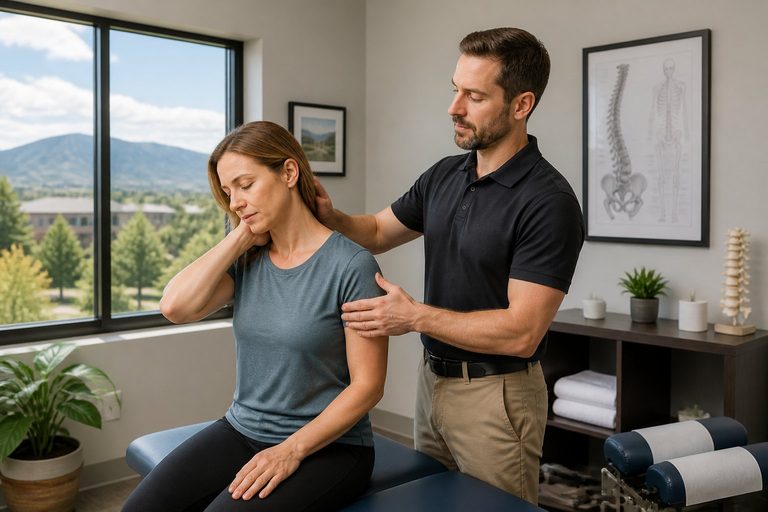
That mapping matters because focused waves work best when aimed precisely. A half-inch off the mark is a wasted session. At Metro Acute Chiropractic in Lone Tree, that assessment also looks upstream, because a tight calf can drive heel pain and a stiff mid-back can drive shoulder pain.
During the Session: Sensation, Timing, and Comfort
Treatment sessions are short, usually five to fifteen minutes depending on the area. You will feel a tapping or thumping sensation, and the area may be tender over the most damaged spot, which is often a useful sign that you’re targeting the right spot.
There is no anesthesia and no recovery time. Most people walk out and go straight back to work, errands, or a light workout, with minimal side effects beyond mild soreness for a day.
Why Progress Usually Takes a Series of Visits
Some people notice a change after the first StemWave treatment. Lasting pain relief typically takes a series, often 6 to 12 visits spaced across several weeks.
That timeline reflects biology. Collagen remodels slowly, and each session adds to the last. What you do between visits shapes the outcome just as much.
From Training Setbacks to Everyday Movement
The same stalled tendon shows up in a marathon runner and in someone who stands on concrete all day. The treatment applies to both, but the goals look different.
Helping Athletes Recover Without Rushing Back
Sports injuries create pressure to return fast, and that pressure can turn muscle injuries into chronic pain. Pushing through a strained hamstring or an achy Achilles usually buys a worse injury later.
Acoustic wave treatment supports tissue repair while you keep training in a modified way. Many athletes stay active on cross-training while the injured tissue rebuilds, instead of shutting down entirely for six weeks.
Restoring Daily Comfort for Work, Stairs, and Sleep
For everyone else, the wins are quieter and just as meaningful:
- Walking to the kitchen in the morning without bracing for heel pain
- Carrying groceries or a toddler without your elbow flaring
- Taking stairs without pausing at the top
- Sleeping on your shoulder again
Improved joint function is what makes those things possible. Pain relief alone does not restore movement you have avoided for months.
Pairing Wave Care With Physical Therapy and Corrective Care
Wave therapy prepares tissue to heal. Loading it correctly is what makes the repair durable. Physical therapy, corrective exercise, and chiropractic adjustments address the mechanics that overloaded the tissue in the first place.
If your hip does not extend properly, your calf and heel absorb the difference. Fix only the heel and the problem returns. That combined approach is also what separates this from simply taking something for the pain.
Choosing a Drug-Free Option Before More Invasive Care
Most people arrive here after a familiar sequence: rest, ibuprofen, maybe a brace, maybe a cortisone shot. A non-invasive treatment is worth considering before you move further down that list.
How It Compares With Medication, Injections, and Surgery
Pain medication reduces the signal without changing the tissue. Cortisone injections can calm severe inflammation, but repeated shots may weaken tendon over time. Surgery works for some cases and carries real recovery time.
StemWave therapy sits earlier in that progression. It addresses pain and inflammation at the source, has minimal side effects, requires no recovery time, and does not close off any option you may still need later.
Who Should Seek a Clinical Evaluation First
Get evaluated by a healthcare professional before starting if you have any of the following:
- Pain after a fall or accident that has not been imaged
- Numbness, weakness, or tingling down an arm or leg
- A known blood clotting disorder or blood thinner use
- Active infection, an open wound, or a tumor near the treatment area
- Pregnancy, or a pacemaker near the intended site
Ruling those out takes one visit and protects you from chasing the wrong problem.
Take the Next Step Toward More Comfortable Movement
If rest and over-the-counter remedies have run their course, the next useful step is finding out why the tissue stopped healing. That answer shapes everything that follows.
Frequently Asked Questions
How Does This Treatment Help Relieve Pain and Improve Movement?
Focused acoustic waves increase local blood flow and stimulate cellular repair in tissue that stalled mid-healing. As the tissue rebuilds and inflammation settles, pain drops and range of motion improves. Most people notice movement returning before the pain fully disappears.
Does It Really Work for Neuropathy, Joint Pain, and Soft-Tissue Injuries?
It works best for soft tissue problems like tendonitis, tendonosis, plantar fasciitis, and overuse muscle injuries. Joint pain responds well when it comes from surrounding tendon and soft tissue. Neuropathy needs a full evaluation first, since the cause often sits elsewhere.
What Side Effects or Risks Should I Know About Before Treatment?
Side effects are minimal and usually limited to mild soreness, redness, or temporary tenderness for a day. No recovery time and no medication are involved. Treatment is avoided over open wounds, active infections, tumors, and in certain pregnancy or blood-thinner situations.
How Many Sessions Will I Need Before I Notice Lasting Relief?
Many people feel some change after the first session, but lasting results typically come from a series of roughly six to twelve visits. Your count depends on how long the injury has been there and how deep the tissue sits. Your provider will map that out after the initial exam.
How Much Does Treatment Cost, and Will Insurance Cover It?
Most insurance plans do not currently cover acoustic wave therapy, so it is usually paid out of pocket. Many clinics offer package pricing for a full care plan, which costs considerably less than surgery or repeated injections. Ask for exact pricing during your consultation.
How Is It Different From Traditional Shockwave Therapy?
StemWave uses focused waves rather than the radial pressure waves found in many older devices, which allows energy to concentrate at a specific depth. That focus makes it better suited to deeper tendons and precise targets. Sessions are also short, generally five to fifteen minutes.
Ready to Stop Waiting on an Injury That Will Not Heal?
Stubborn tendon, fascia, and muscle pain usually doesn’t resolve with more patience. It resolves when circulation, cellular repair, and mechanics all get addressed together, which is what focused acoustic wave care combined with hands-on treatment is built to do.
If heel pain, elbow pain, a locked-up shoulder, or an aching knee has been shaping your days, you do not have to keep managing it on your own. The team at Metro Acute Chiropractic in Lone Tree will evaluate what’s driving your pain and build a plan around it.
Take the first step toward lasting relief. Call or request an appointment to learn what personalized care can do for the way you move.