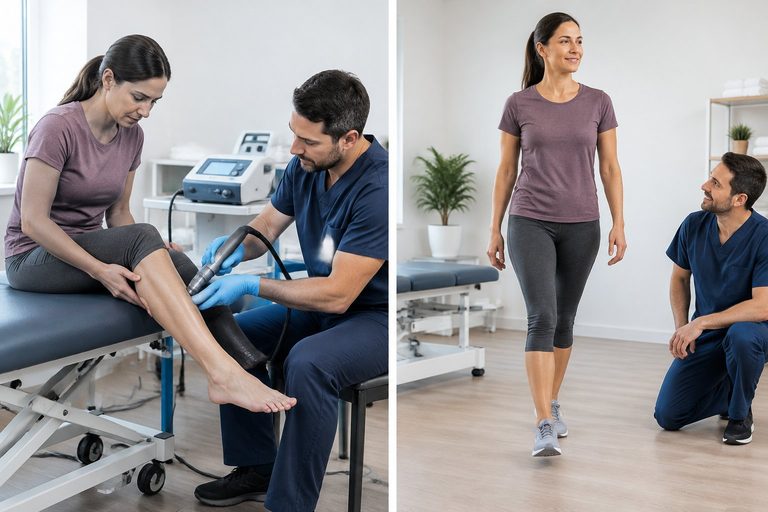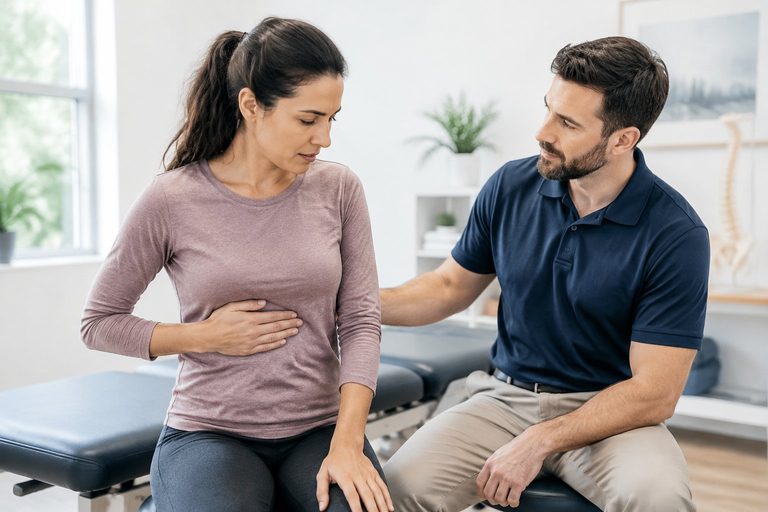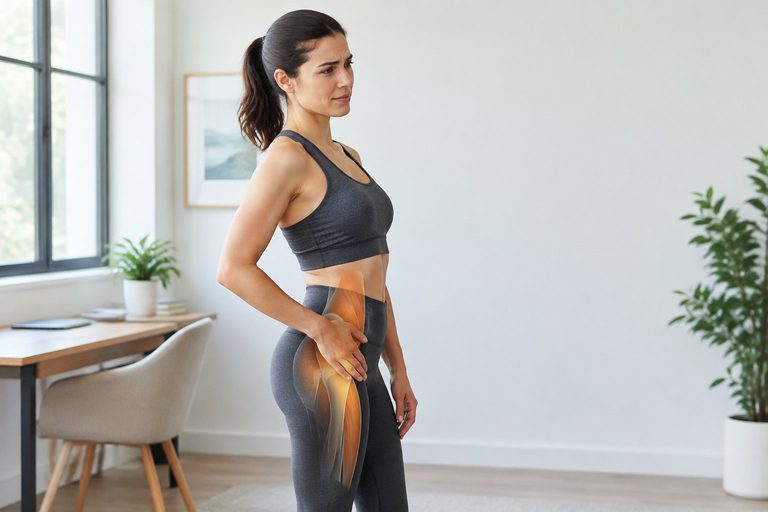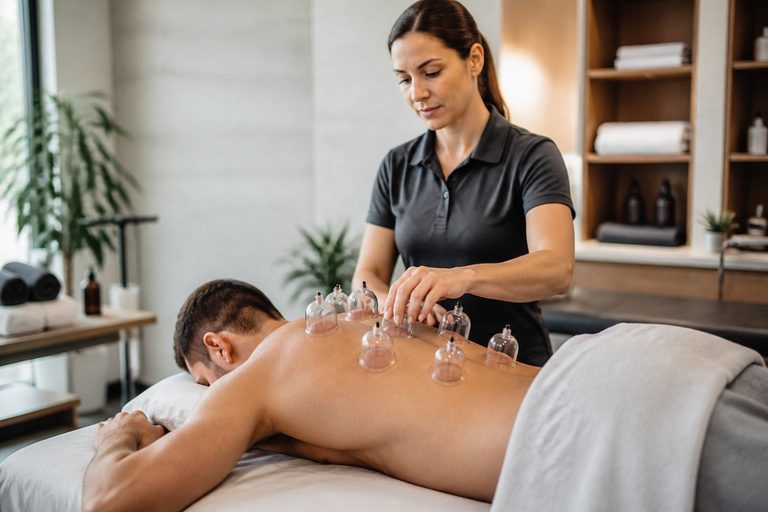
Wondering what not to do after shockwave therapy? For the first 48 hours, most providers ask you to avoid anti-inflammatory medications like ibuprofen, skip ice on the treated area, and hold off on running, jumping and heavy lifting. Each of those steps protects the healing response your session has just started.
The session itself lasts only minutes, but the repair response it sets off in your tendon or muscle keeps running for days and weeks after you walk out the door. Blood flow rises, new small vessels begin to form and the tissue starts rebuilding, and the wrong habits at home can blunt that process. Your own provider’s instructions always come first; below is what typical aftercare looks like, along with the reasoning behind each step.
What to Avoid in the First Few Days
Anti-Inflammatory Medication
Shockwave works partly by sparking a short, controlled inflammatory response that draws in blood flow and repair cells. Drugs like ibuprofen and naproxen are designed to dampen inflammation, so many clinicians advise pausing them for a few days around each session. Acetaminophen is often suggested instead if you need pain relief and it is safe for you. Ask your provider for the exact window.
One important exception: if a doctor prescribed daily aspirin for your heart or clot risk, keep taking it unless that doctor tells you otherwise.
Ice on the Treated Area
Ice narrows blood vessels and slows circulation, which works against the increased blood flow shockwave aims to create. Skip it on the treated spot for about 48 hours unless told otherwise. Gentle movement is a better first choice for soreness.
Strong Heat and Deep Pressure
Treated skin is often red and tender for a day or two. Saunas, hot tubs (tempting after a day on the slopes) and heating pads can make that feel worse, and deep massage or foam rolling right on the spot adds pressure to tissue that is already working hard. Give it 48 hours, then ask when soft tissue work fits back into your plan.
High-Impact Activity and Heavy Loading
Running, jumping, sprinting, heavy lifting and quick-cutting sports put sudden stress on tissue in the middle of a repair response. Back off for about two days after each session, and yes, that includes the Saturday pickleball game.
What You Should Do Instead
Keep Moving Gently
Complete rest is not the goal. Easy walking, gentle range-of-motion work and cycling or swimming that does not stress the treated spot keep blood flowing to the area. If an activity pushes pain beyond a mild ache, ease off and choose something lighter.
Restart Your Rehab on Schedule
Shockwave works best paired with the right exercises, because a tendon needs controlled load to rebuild stronger. Most people restart their program within a day or two, guided by their provider. Our stretching and strengthening programs are designed to progress alongside your shockwave sessions.
Adjust for the Area Treated
- Heel or plantar fascia: limit long standing and barefoot walking on hard floors for a couple of days, and wear supportive shoes.
- Achilles: skip hill runs and calf jumps until your provider clears them.
- Elbow: go easy on heavy gripping, racket sports and pulling exercises.
- Shoulder: avoid heavy overhead lifting until the area settles.
Support Repair With Everyday Habits
Drink plenty of water, eat enough protein to support collagen building and aim for seven to nine hours of sleep, since much of the body’s repair work happens overnight. Limiting alcohol and avoiding smoking give the tissue better conditions to heal.
Track What You Can Do
Note how far you can walk before heel pain starts, or whether your first steps in the morning feel easier. Those details help your provider fine-tune the plan, and keeping your sessions on schedule keeps the treatment series working as intended.
Have an aftercare question between sessions? Our team is always happy to check on your soreness, confirm when you can restart your exercises and line up your next StemWave session. Call (303) 221-3342 or request an appointment online.
What Is Normal, and When Should You Call?
A dull ache, redness, mild swelling or small bruises for 24 to 48 hours are part of the normal response and fade within a few days. Call your provider if soreness lasts longer than three or four days, gets worse each day, if bruising keeps spreading, or if you notice new numbness or weakness.
Go to an emergency room for chest pain, trouble breathing or sudden severe weakness. Seek urgent care for a calf that becomes hot, swollen and painful, or signs of infection such as spreading warmth or fever. These are rare after shockwave but need medical care first.
Aftercare as Part of the Bigger Plan
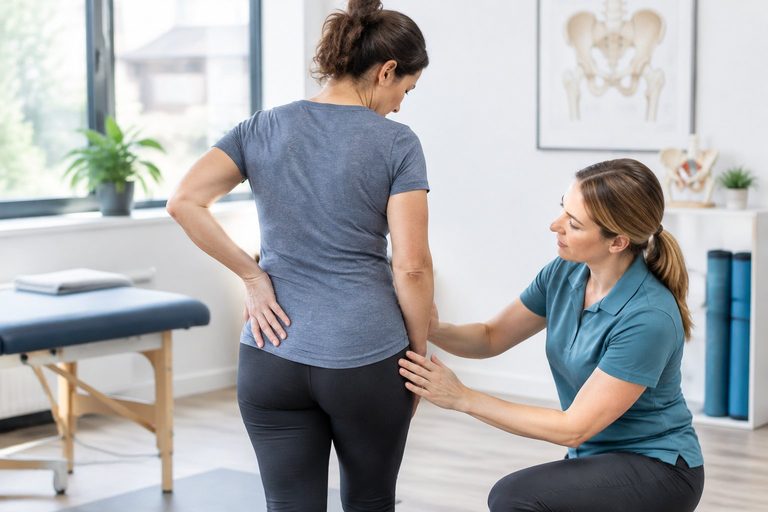
At Metro Acute Chiropractic, shockwave is one piece of a larger plan aimed at why the tissue broke down, whether that is foot mechanics behind heel pain or a weak shoulder blade behind elbow strain. Rehab, adjustments and taping between sessions help the treated tissue rebuild properly. To read more about the treatment and the conditions it helps, visit our StemWave therapy in Lone Tree page.
Good aftercare turns each session into real progress, and we are glad to guide you between visits. Since opening in Lone Tree more than 16 years ago, Metro Acute Chiropractic has helped patients across Lone Tree, Highlands Ranch and Centennial get back to runs, workouts and full days on their feet, and Dr. Alvis will tailor your plan to support your body’s own tissue repair. Call (303) 221-3342 or request an appointment online.
Frequently Asked Questions
Can I exercise the day after shockwave therapy?
Light exercise like easy walking or gentle stretching is fine. Avoid running, jumping and heavy lifting for about 48 hours, then follow your provider’s plan for returning to full training.
How long after shockwave can I take ibuprofen?
Many providers suggest waiting several days, since it can blunt the healing response. The exact window depends on your plan, so ask your provider.
When can I have a massage on the treated area?
Wait at least 48 hours. Massage on other parts of your body is fine in the meantime, and your provider can tell you when soft tissue work on the area fits back in.