A “rib out of place” usually means one of the small joints where a rib connects to your spine has become stiff or irritated, causing sharp pain when you breathe, twist or reach. The rib has not popped loose. True rib dislocations are rare and tend to follow serious trauma. Most of the time, the problem is a joint that has stopped moving well, plus the muscles around it tightening up to guard it.
That distinction shapes what helps. A stiff rib joint usually responds well to gentle hands-on care, movement and a little time. A cracked rib, a lung problem or a heart issue needs a medical doctor first, so below we cover how to tell them apart and what to do next.
What Does It Feel Like?
Sharp Pain With Breathing, Twisting or Reaching
Your ribs move every time you breathe, so a stiff rib joint gets tugged by a deep breath, cough or sneeze. Many people describe a “catch” that stops a full breath halfway. Twisting to look behind you in the car, reaching for a high shelf or rolling over in bed tends to set it off, and the pain often fades to a dull ache once you stop moving.
Pain Near the Shoulder Blade
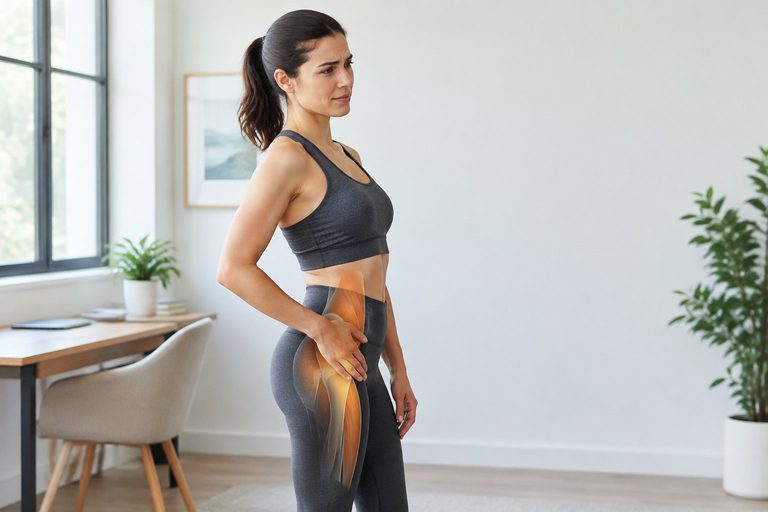
The sore spot usually sits an inch or two beside the spine, along the inner edge of the shoulder blade, and pressing on it reproduces the pain. It can also wrap around the side of the chest along the path of the rib, because the nerve running between the ribs gets irritated. The muscles of the upper back tighten to protect the area, which can make everything feel locked up. A simple self-check: sit tall with your arms crossed and slowly turn each way. A rib joint problem usually hurts more in one direction, and the pain lands on that same spot beside the spine.
Rib Joint Dysfunction vs. Other Rib Problems
- Rib joint dysfunction: the common one. The rib joint at the spine is restricted and irritated but still in place.
- Slipping rib syndrome: affects the lower ribs at the front and side, where weakened cartilage lets a rib move over the one above, often with a click and sharp pain in the lower chest or upper belly.
- Dislocated or fractured rib: takes real force, like a fall, crash or hard hit in sports, and needs medical care right away.
What Triggers It?
A hard coughing fit from a cold or bronchitis is one of the most common causes. Lifting with a twist, such as a toddler out of a car seat, a bag of mulch or a suitcase into an overhead bin, puts uneven force through one side of the rib cage. Quick rotation in golf, tennis, pickleball or swimming can do the same, and patients often remember the exact moment it went.
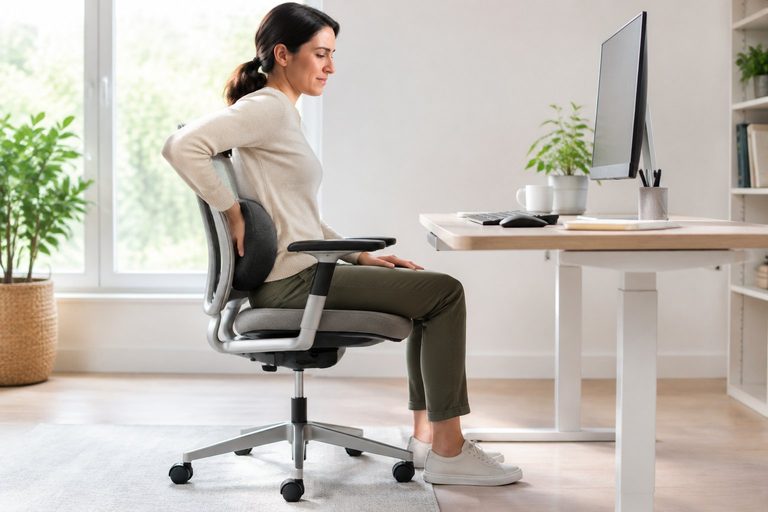
Waking up with rib pain is very common too. Sleeping twisted on your stomach or with an arm jammed under your pillow holds a rib joint in a strained position for hours. Long hours hunched over a laptop stiffen the joints where ribs meet the spine, and people with naturally loose joints tend to find their ribs “go out” again and again.
Rule Out the Serious Causes First
Call 911 for chest pain or pressure, pain spreading to the jaw, arm or back, shortness of breath, sweating, dizziness, a racing heart or coughing up blood. Sudden severe pain with no clear cause belongs in this group too.
Get medical care before any hands-on treatment if the pain began after a fall, crash or sports collision, since a fracture needs to be ruled out. Rib pain with fever, chills or a productive cough can point to pneumonia or pleurisy.
Pain that worsens with movement does not automatically mean it is a joint problem, as fractures and some lung conditions also hurt more with breathing. A good chiropractor will refer you to a medical doctor whenever your story does not fit a simple joint issue.
How Is It Treated?
Assessment
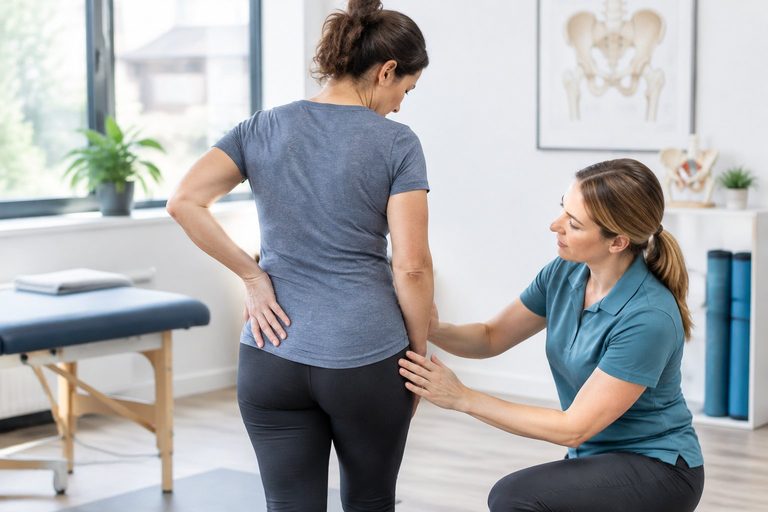
We ask when the pain started, what you were doing and what makes it worse, and check carefully for red flags. Then we feel along each rib near the spine to find the stiff, tender joint and check how your ribs move as you breathe and twist. If a fracture seems possible, imaging or a medical referral comes first.
Gentle Adjustments and Soft Tissue Care
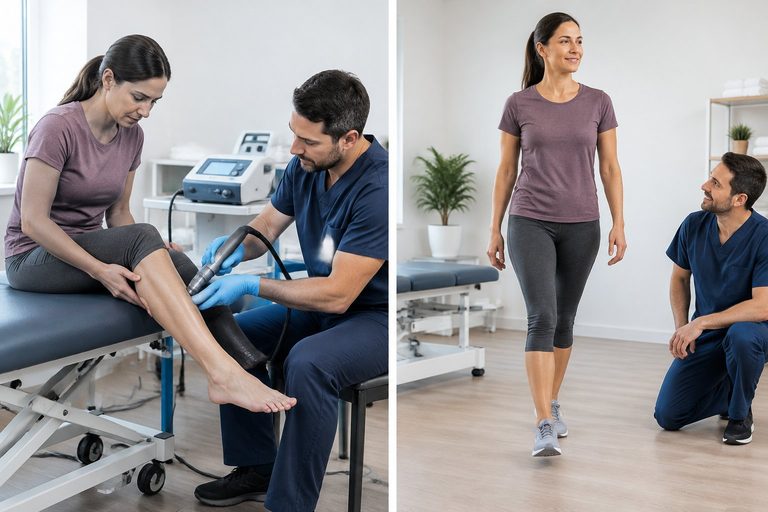
Once red flags are ruled out, gentle chiropractic adjustments aimed at the stiff rib and surrounding mid-back use light, specific pressure, and many people notice they can take a fuller breath afterward. Massage therapy eases the tight muscles keeping the joint guarded, and kinesio taping can add light support while it settles.
Can’t take a full breath without that rib catching? Dr. Jacob Alvis checks the small joints where your ribs meet the spine, makes sure nothing needs a medical doctor first, and uses gentle, specific care to get your rib cage moving freely again. Call (303) 221-3342 or request an appointment online.
What to Do at Home
Skip the forceful twisting, door-frame stretches and asking a friend to crack your back. Forcing a rib can strain the joint further and, with an undiagnosed fracture, cause real harm. Instead, use heat for 15 to 20 minutes, take slow belly breaths a few times an hour so the ribs keep moving, walk gently and avoid heavy lifting for a few days. You will find more gentle ideas in our guide to back pain remedies.
Strengthen to Stop It Recurring
Simple rib joint flare-ups often settle within one to three weeks. Once pain eases, rows, band pull-aparts and exercises for the muscles between your shoulder blades support the upper back. Rotation drills return gradually before golf swings, overhead lifting or swimming, and stability work matters even more if your joints are naturally loose.
Rib pain can turn a simple sneeze or a reach for the top shelf into a wince, and it does not have to stay that way. Our clinic has spent more than 16 years helping people across Lone Tree and Highlands Ranch get to the bottom of stubborn upper back and rib pain, and Dr. Alvis would love to help you take a full, easy breath again. Call (303) 221-3342 or request an appointment online.
Frequently Asked Questions
Can a rib be out of place in your back?
Yes, and that is where most people feel it. The rib itself stays attached, but one of the joints anchoring it to the spine gets stiff and irritated. The result is a sharp, pinpoint pain beside the spine that spikes when you breathe deeply or twist.
Will it heal on its own?
Mild rib joint irritation often settles in one to three weeks with heat, gentle movement and avoiding heavy lifting. If it keeps catching your breath beyond that, or keeps coming back, have it assessed.
Why do my ribs keep going out?
Repeat episodes usually point to an underlying cause such as loose joints, rounded desk posture, weak upper back muscles or repetitive sports motions. Strength and stability work alongside hands-on care helps break the cycle.