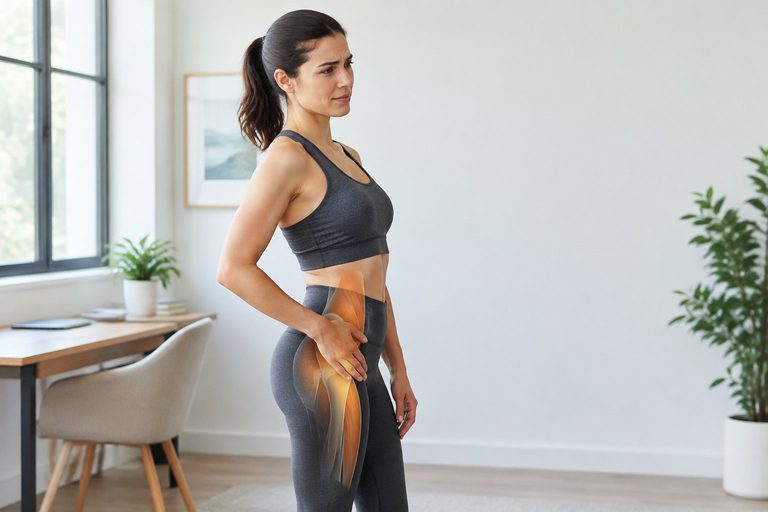
Why does my back crack? Mostly because small gas bubbles form in the fluid of your spinal joints when those joints are stretched apart, and that pop is harmless when it comes without pain. The sound comes from the small facet joints linking each vertebra to the next. Nothing is breaking, grinding loose or slipping out of place.
That said, the sound can tell you something. A painless pop when you stand up from your desk is normal. A crack that comes with sharp pain, a joint that sticks, or a grinding feeling that keeps getting worse is your body asking for a closer look.
What Makes the Sound?
Gas in the Joint Fluid
Each vertebra connects to its neighbors through two small facet joints, each wrapped in a capsule filled with slippery synovial fluid that holds dissolved gases. When you twist or bend near the end of your range, the joint surfaces separate slightly, pressure inside drops and a gas bubble forms. That event, called cavitation, makes the same pop as cracking your knuckles. Imaging research has filmed it happening, and it is not a sign of injury or arthritis.
Tendons and Ligaments Snapping
A tight tendon or ligament sliding over a bump of bone can flick back into place with a similar sound. It tends to happen in the same spot with the same movement and rarely hurts on its own.
Arthritic Grinding
As cartilage wears with age, joint surfaces stop gliding cleanly. Instead of one clean pop you get a coarse, gravelly grinding that can happen every time you move. Grinding together with aching and morning stiffness is worth having checked.
When Is Frequent Cracking Normal?
After Sitting or Stretching
Long hours of sitting hold your spinal joints in one position while the muscles around them tighten. When you finally stand and stretch, several joints reach the end of their range at once, so you hear a string of pops. The same happens after a night in bed or a long drive back from the mountains. Stiffness that eases within a few minutes of moving is a normal response to staying still too long.
Why the Same Joint Will Not Crack Twice in a Row
After a joint cracks, it needs roughly 20 minutes before it can do so again, while the gas dissolves back into the fluid. Forcing it during that window pushes the joint past its comfortable range and strains the ligaments around it.
The Constant Urge to Crack
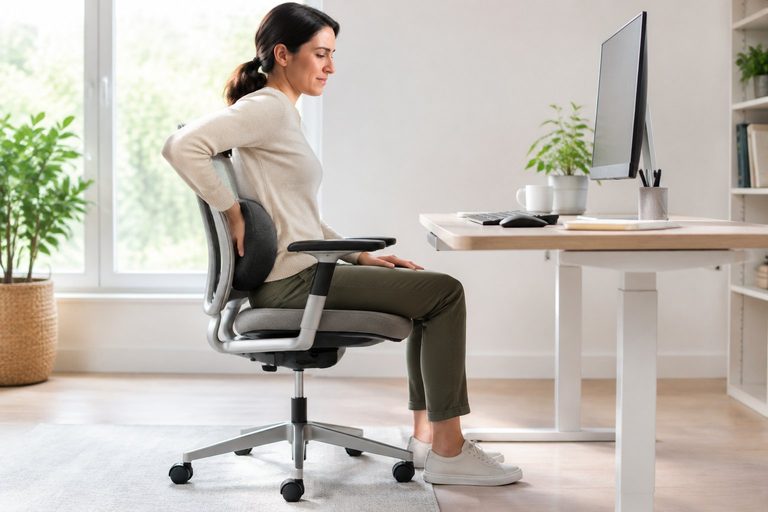
If you find yourself twisting in your chair many times a day, treat that habit as a signal. Each crack brings a short burst of relief, then the tight feeling returns. Usually one area of the spine is stiff while others move too much to compensate, and repeated self-cracking can loosen those already-mobile joints further.
When Should You Get It Checked?
Go to the emergency room if a pop or back pain comes with loss of bladder or bowel control, numbness in the groin or inner thighs, sudden severe leg weakness, chest pain or trouble breathing, fever with spine pain, or follows a fall or crash.
Book an assessment if the crack comes with sharp or throbbing pain, swelling, a joint that sticks or locks, a change in how your back sounds after a lift or twist, or back pain lasting more than a couple of weeks. A sound alone does not diagnose a disc or nerve problem, but pain, burning or tingling that travels down a leg afterward can, and our guide to the most common symptoms of sciatica describes that pattern.
How to Ease Stiffness Without Chasing a Pop
Gentle Movement and Strength
Lie on your back and hug one knee to your chest for a few slow breaths. With knees bent, let both knees drop gently to one side, then the other. Bridges wake up the glutes that support your lower back, and exercises like supermans and band pull-aparts strengthen the back so it feels less tight through the day. Patients who stick with a short daily routine often report the urge to crack fading within a few weeks.
A Targeted Adjustment Is Different From Self-Cracking
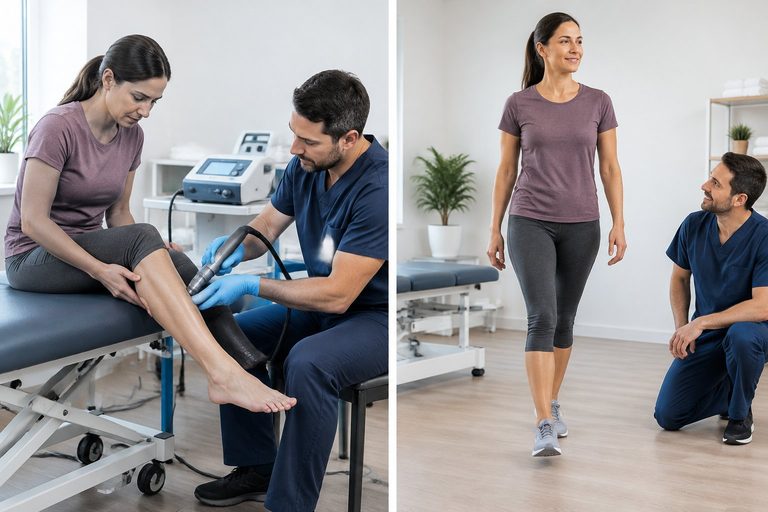
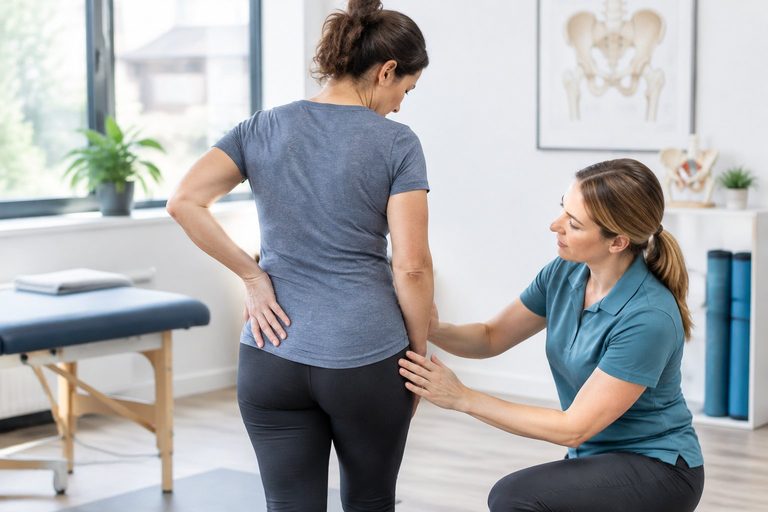
When you twist hard in your chair, the loosest joints give first, and the stiff segment that started the problem often stays stiff. A chiropractic adjustment uses a controlled, specific movement aimed at the joint an exam has found to be restricted, after screening for any reason manipulation would not be suitable. Our page on spinal manipulation and adjustment explains the approach.
Soft Tissue Care
When tight muscles keep pulling your joints out of easy motion, massage, myofascial release and acupuncture help them relax so the joints can move freely.
Tired of twisting in your chair for a pop that never lasts? A precise adjustment from Dr. Jacob Alvis can free up the stiff segment behind that urge, and a few easy moves will help keep it feeling loose between visits. Call (303) 221-3342 or request an appointment online.
Focus on How Your Back Moves, Not the Sound
Painless pops after sitting or stretching need no treatment. Coarse grinding, pain at the moment of the crack, locking, swelling or tingling down a limb are signs to get checked. The goal is a back that moves easily all day, and daily movement, strength work and targeted hands-on care will get you there far better than chasing the next pop. That same thinking shapes our back pain care.
A back that moves freely feels so much better than one that needs cracking every hour! Metro Acute has cared for patients from Lone Tree, Parker and Centennial for more than 16 years, and Dr. Jacob Alvis can show you why your back feels tight and what keeps it moving easily. Call (303) 221-3342 or request an appointment online.
Frequently Asked Questions
Is it bad to crack your back every day?
Gentle, painless popping during normal stretching is fine. Forcing your back to crack many times a day can strain ligaments over time and usually means a stiff area needs proper care.
Does cracking your back cause arthritis?
No link has been found. The pop comes from gas in joint fluid and does not wear down cartilage.
Why does my back feel like it needs to crack but won’t?
The joint may still be in its 20-minute reset window, or tight muscles may be blocking it. Gentle movement and heat often ease the feeling, and an assessment helps if it lingers for days.