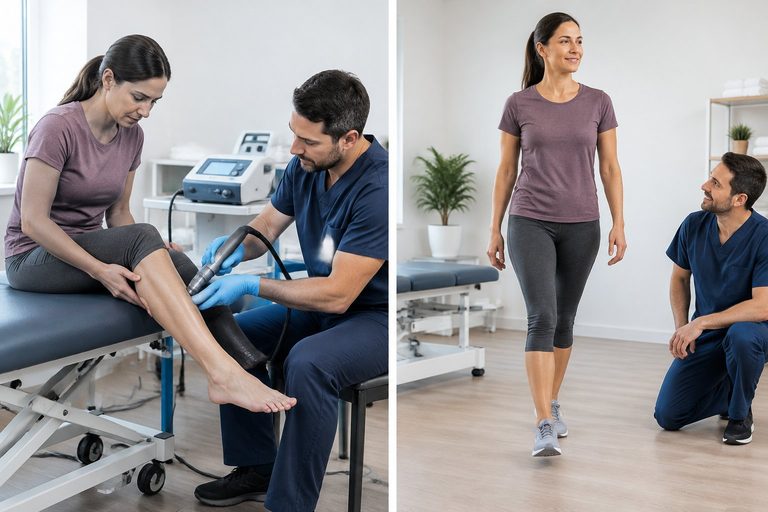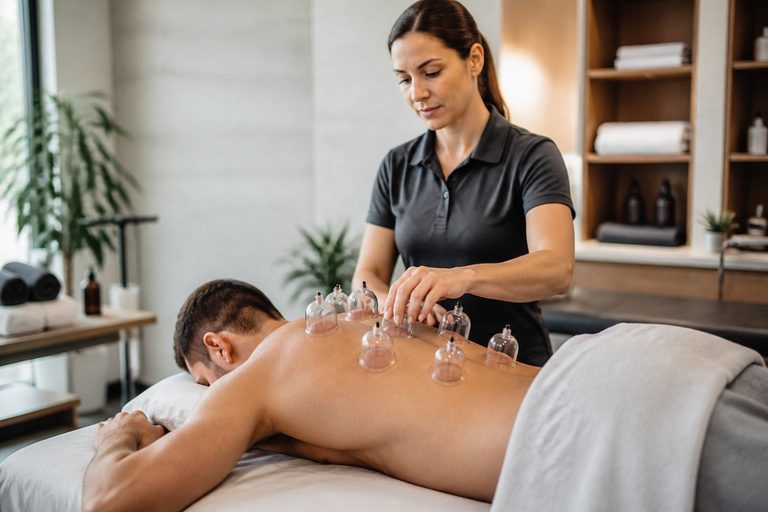
If you’re dealing with a nagging sports injury, training-related back pain, or a movement problem that won’t go away on its own, you’re not alone. Athletes and active adults across Lone Tree and the south Denver metro area experience these issues every day, and many of them are finding relief through sports-focused chiropractic care.
A sports chiropractor in Lone Tree, CO, can help you identify the root cause of your pain and create a plan to get you moving again without relying on medication or surgery. Here at Metro Acute Chiropractic, we’ve spent 16+ years helping thousands of patients recover from injuries, reduce chronic pain, and return to the activities they love.
This article walks you through what sports-focused care looks like, what conditions we commonly evaluate, how to choose the right provider, and what to expect from treatment. This content is general information and is not a substitute for professional medical advice or diagnosis.
How Sports-Focused Care Helps Active People Recover
Sports chiropractic is built around a different set of questions than general care. Instead of simply asking “where does it hurt,” a certified chiropractic sports physician also asks how you move, what activities you perform, and what’s keeping you from doing them well. This applies to competitive athletes and to active adults who rely on their bodies for work, family chiropractic care, and everyday life.
What Makes Sports Injury Care Different From General Care
General chiropractic care focuses on relieving pain and restoring function. Sports injury care does that too, but it goes further. It looks at how your body moves under load, how your joints interact during sport-specific motions, and what needs to change so the injury doesn’t return when you get back to training.
A sports-focused provider is also more likely to evaluate the full kinetic chain. A knee problem, for example, may trace back to hip mechanics or foot alignment rather than the knee itself. This kind of thinking leads to more targeted treatment and a faster return to activity.
When Pain Is Affecting Training, Work, Or Daily Movement
Pain has a way of spreading into every corner of your life. When your shoulder hurts, you change how you lift. When your back aches, you stop bending, reaching, or walking as much. Over time, those compensations can create new problems on top of the original one.
If pain is changing the way you train, limiting your work output, or making daily tasks harder, that’s a sign worth taking seriously. Many patients find that waiting too long allows a manageable issue to become a much bigger one. Getting evaluated early often leads to a shorter recovery timeline.
Why Early Evaluation May Help You Return To Activity Sooner
The sooner a sports injury is assessed, the clearer the picture becomes. Early evaluation allows your provider to classify the injury, rule out anything serious, and start a targeted plan before the surrounding muscles and joints have time to compensate and tighten.
Patients who seek care early often need fewer visits and experience less downtime than those who wait weeks hoping the pain will resolve on its own. Results vary from person to person, but the trend is consistent: earlier care tends to mean faster recovery.
Injuries And Movement Problems We Commonly Evaluate
Our team evaluates a wide range of musculoskeletal complaints, from spinal conditions to extremity care for joints throughout the arms and legs. Soft tissue procedures play a significant role in how we address many of these injuries, particularly for patients experiencing tightness, inflammation, or restricted movement.
Back And Neck Pain From Lifting, Running, Golf, And Desk Work
Back and neck pain are among the most common reasons active adults seek chiropractic care. Repeated lifting, running mechanics, golf swings, and long hours at a desk can all stress the spine in different ways.
Common contributors include:
- Poor lifting mechanics leading to lumbar strain
- Repetitive rotation in golf or throwing sports
- Forward head posture from desk or device use
- Running with limited hip mobility or weak core support
Each of these patterns puts uneven stress on the spine, and over time that stress adds up. We evaluate posture, joint function, and movement quality to find where the breakdown is happening.
Shoulder, Elbow, Wrist, Hip, Knee, And Ankle Complaints
Extremity care addresses joints outside the spine, and these areas make up a large portion of sports-related complaints. Shoulder impingement, tennis elbow, wrist pain from repetitive grip, hip flexor tightness, runner’s knee, and ankle instability are all conditions we evaluate regularly.
Many of these problems are not limited to a single joint. A stiff ankle, for example, can change how you load your knee during a squat or lunge. Evaluating the full kinetic chain helps us identify the root cause of the problem rather than just treating the area where you feel pain.
Plantar Fasciitis, Foot Mechanics, And Overuse Injuries
Plantar fasciitis is one of the most frustrating overuse injuries active adults face. The heel pain it causes can make running, walking, or even standing for long periods genuinely difficult.
Foot mechanics play a major role in how load travels up through the ankle, knee, and hip. When the arch collapses, or the foot rolls inward during gait, stress builds up in the plantar fascia and surrounding tissues.
Our evaluation looks at your gait pattern, arch support, and calf and ankle mobility. Custom orthotics and soft-tissue procedures are often part of the plan for patients with foot-related overuse injuries.
What To Look For In A Sports Injury Provider
Choosing the right sports injury provider matters, especially when your training schedule, career, or daily function is on the line. Credentials like CCSP and DACBSP signal that a provider has pursued advanced education in sports medicine beyond standard chiropractic training, and the American Chiropractic Board of Sports Physicians sets the standard for those designations.
Why Credentials Like CCSP And DACBSP Matter
The CCSP (Certified Chiropractic Sports Physician) and DACBSP (Diplomate of the American Chiropractic Board of Sports Physicians) designations represent two levels of specialized training in sports medicine.
A CCSP has completed a postgraduate program in chiropractic sports medicine. A DACBSP has gone further, completing a residency-level program and passing a comprehensive board examination.
These credentials indicate that the provider has studied sports injury evaluation, exercise rehabilitation, athletic nutrition, and sideline emergency care at a level beyond standard chiropractic licensure. If you’re an athlete or serious about returning to sport, these designations are worth looking for.
How The American Chiropractic Board Of Sports Physicians Fits In
The American Chiropractic Board of Sports Physicians is the credentialing body that oversees both the CCSP and DACBSP designations. It sets curriculum standards, administers examinations, and ensures that providers who earn these credentials have met rigorous clinical and academic thresholds.
When a provider has been credentialed through this board, you have a clearer sense of their training background in sports injury care. It’s not a guarantee of a specific outcome, but it is a meaningful signal about the depth of their sports medicine education.
Questions To Ask Before Starting Treatment
Before committing to a provider or a treatment plan, it’s reasonable to ask a few direct questions:
- What experience do you have with my specific type of injury or sport?
- What does a typical treatment plan look like, and how many visits might I need?
- Will you incorporate rehabilitation exercises, or is treatment focused only on manual care?
- Do you coordinate with other providers, such as physical therapists or sports medicine physicians, if needed?
- What should I expect after the first visit?
A provider who answers these questions clearly and honestly respects your time and your recovery.
Treatment Options That May Be Part Of Your Plan
Treatment at a sports chiropractic clinic typically involves more than one type of care. Chiropractic care, soft-tissue procedures, dry needling, and extremity care may all be part of a plan, depending on your injury, activity level, and goals. The specific combination depends on what your evaluation reveals.
Adjustments, Spinal Manipulation, And Joint Mobility Work
Chiropractic adjustments and spinal manipulation are used to restore proper joint movement, reduce mechanical pain, and improve the function of the spine and extremities. When a joint is restricted or misaligned, nearby muscles often compensate, leading to tightness, weakness, and further pain.
Adjustments are generally gentle and targeted. Extremity care follows the same principle: mobilizing restricted joints in the shoulder, elbow, wrist, hip, knee, or ankle to restore normal mechanics and reduce irritation in surrounding soft tissues.
Soft Tissue Care, Myofascial Release, And Dry Needling
Soft tissue procedures address the muscles, tendons, ligaments, and fascia that surround and support your joints. Techniques like myofascial release target areas of tightness or restriction in the connective tissue that can limit range of motion and contribute to pain.
Dry needling uses thin filament needles to release trigger points in muscle tissue, reduce tension, and support circulation in areas that are slow to recover. Many patients find dry needling helpful for chronic muscle tightness, overuse pain, and areas that haven’t responded well to manual therapy alone.
Results vary, and it is not the right fit for every patient, but it can be a useful part of a broader treatment plan.
Rehab Exercises, Taping, Orthotics, And Recovery Support
Getting out of pain is one goal. Staying out of pain requires building the strength and movement patterns that protect the injured area going forward. Rehabilitation exercises are often introduced early in the care process to support recovery and reduce the risk of reinjury.
Other recovery tools that may be part of your plan include:
- Kinesio taping to support joints and reduce swelling during activity
- Custom orthotics to correct foot mechanics and reduce load on the ankle, knee, and hip
- Stretching and strengthening protocols designed around your sport or daily demands
- Guidance on activity modification while tissue heals
These tools work best when they are tailored to your specific needs rather than applied as a one-size-fits-all package.
Frequently Asked Questions
What conditions do sports chiropractors commonly treat for active adults and athletes?
Sports chiropractors evaluate and treat a wide range of musculoskeletal conditions including back pain, neck pain, sciatica, shoulder injuries, knee pain, plantar fasciitis, hip pain, and overuse injuries.
They also address conditions such as herniated discs, carpal tunnel syndrome, and headaches that can develop from repetitive activity or poor mechanics. Treatment is focused on restoring function and reducing pain without surgery or medication.
How can chiropractic care help with back, neck, or sciatica pain related to training or sports?
Chiropractic adjustments and spinal manipulation may help restore joint mobility, reduce nerve irritation, and relieve muscle tension in areas contributing to back or neck pain or sciatica. Many patients find that combining spinal care with soft tissue work and rehabilitation exercises leads to more lasting relief than passive treatment alone. Results vary, and a professional evaluation is the best way to understand what may be driving your specific symptoms.
What should I expect during my first visit, including evaluation and treatment options?
Your first visit will typically include a detailed health history and a focused musculoskeletal evaluation to identify the source of your pain or movement problem. Depending on what the evaluation reveals, your provider may recommend imaging, begin hands-on treatment, or outline a care plan that includes adjustments, soft tissue work, or rehabilitation exercises. You should leave with a clear understanding of your diagnosis and the recommended next steps.
How many sessions are typically needed to see improvement for a sports-related injury?
The number of visits needed depends on the type of injury, how long it has been present, and how your body responds to care. Some patients notice meaningful improvement within a few visits, while others with more complex or chronic conditions may need a longer course of treatment. Your provider should set realistic expectations at your first evaluation and adjust the plan as your progress develops.
Do you work with physical therapy, rehab exercises, or sports medicine plans to support recovery and performance?
Yes. At Metro Acute Chiropractic, rehabilitation exercises and corrective movement work are integrated into treatment plans for many patients. We also coordinate with other providers when appropriate to support your overall recovery and performance goals. The aim is always to address the root cause and build the strength and mechanics needed to stay healthy long term.
How do I choose the right provider for my needs, and what credentials or experience should I look for?
Look for a provider with specific experience treating your type of injury and a clear approach to finding the root cause rather than just managing symptoms. Credentials like CCSP or DACBSP indicate advanced training in sports medicine through the American Chiropractic Board of Sports Physicians. It’s also worth asking how they incorporate rehabilitation into care and whether they communicate openly about your diagnosis and expected timeline.
When To Call Us For A Professional Evaluation
You don’t need to be a competitive athlete to benefit from sports-focused chiropractic care. If you’re dealing with pain that has lasted more than a few days, movement that feels limited or guarded, or a recurring problem that keeps flaring up under similar conditions, a professional evaluation is a reasonable next step.
Early care often leads to better outcomes. Call us at (303) 221-3342 or schedule your evaluation online. Our team will take the time to listen, assess, and give you an honest picture of what may be contributing to your symptoms.