You had a training block going. Miles were adding up, lifts were moving, and your body finally felt like it was cooperating. Then a hamstring grabbed during a sprint, or your heel started barking every morning, and suddenly you are counting missed sessions instead of finished ones.
That pressure to get back fast is real, and it pushes many athletes into a bad cycle: rest a little, test it, feel the same pain, repeat. Good athletic recovery therapy breaks that loop by treating the tissue that actually stalled out, not just the soreness you feel on top of it. Soft-tissue injuries don’t heal on a schedule you set; they heal when circulation, load, and movement quality are addressed together.
Keep reading to find out why training injuries linger, how shockwave treatment restarts healing in stubborn tendons and strains, and what a real return-to-sport plan looks like. Lasting relief here means running, lifting, and competing without bracing yourself for the next flare-up.
Why Training Injuries Can Linger
Most athletes assume pain that sticks around means they need more rest. Often the opposite is true: the tissue has stalled in the healing process and needs stimulation, not just time off.
Muscle recovery is a repair cycle. Hard training creates small amounts of damage; your body rebuilds, and you come back stronger. When training volume outpaces adequate recovery, that rebuilding never finishes, and the damage stacks up.
How Muscle Strains and Overuse Injuries Develop
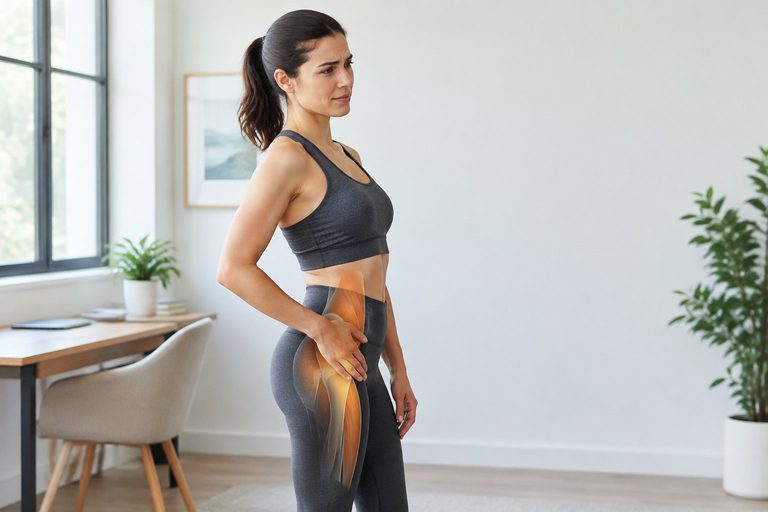
Muscle strains usually happen fast. A sprint, a cut, a heavy lift, and fibers tear under a load they were not prepared for. Overuse injuries build slowly instead, from thousands of small stresses in the same tendon or fascia.
Delayed onset muscle soreness, or DOMS, is normal and fades in a couple of days. Overuse pain behaves differently. It shows up in the same spot every time, warms up briefly, then returns worse after you stop.
Why Pain Is Not a Safe Training Guide
Pain fades before tissue healing finishes. That gap is where re-injury lives. An ankle can feel fine walking and still lack the strength and control to absorb a landing.
Athletes also get good at ignoring signals. If you adjust your stride, grip differently, or drop a set to avoid a pinch, your body is already compensating. Those compensations shift stress somewhere new, which is how one sports injury becomes two problems.
When Rest Alone Is Not Enough
Rest days matter, and full rest helps early on. But tendons and fascia have poor blood supply, so weeks off often leave them weaker and less able to handle load.
Watch for these signs that rest by itself has run out of runway:
- Pain that returns within a session or two of resuming training
- Morning stiffness in a heel, elbow, or knee that lasts more than a few weeks
- Swelling or tenderness that never fully resolves between workouts
- Strength or range of motion that still feels off compared to your other side
When healing has stalled like that, the goal shifts from waiting to actively restarting tissue repair.
How Stemwave Supports Soft-Tissue Healing
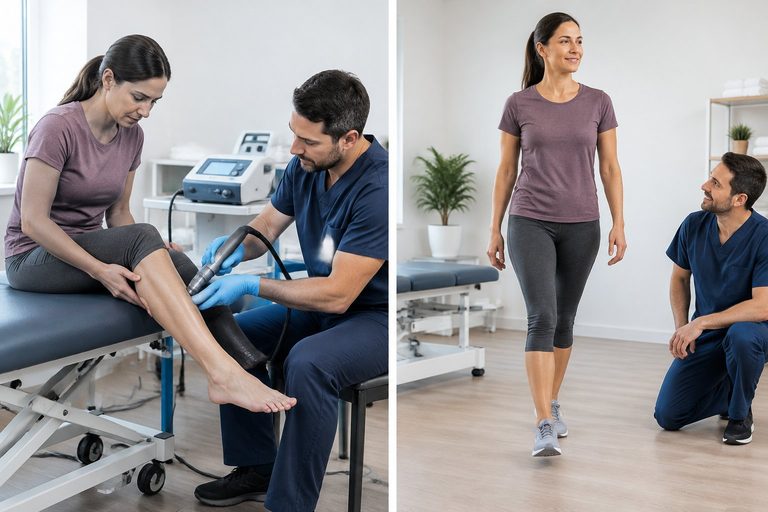
Stemwave is a non-invasive shockwave treatment that sends focused acoustic waves into injured soft tissue. Those pulses create controlled micro-stress, increasing blood flow and signaling your body to restart repair in tissue that has stopped healing.
A 2024 systematic review and meta-analysis of 45 clinical trials backs up that mechanism: shockwave pulses trigger growth factors that drive new blood vessel formation in the treated tissue, and the pooled results showed a real reduction in pain across tendinopathies like plantar fasciitis, Achilles, patellar, and lateral epicondylitis (tennis elbow).
That matters for athletes because the injuries that sideline you most are usually poorly circulated: tendons, fascia, and the deeper layers of strained muscle. Better circulation means more oxygen, nutrients, and repair cells reaching the exact spot that needs them.
What Happens During a Stemwave Session
A session is straightforward. Gel goes on the skin, then a handpiece moves over the injured area while delivering pulses. Most visits run about 15 to 30 minutes.
You will feel a tapping or thumping sensation, and often a dull awareness right where the pain lives. No needles, no numbing, and no downtime, so you can usually walk out and continue your day. Many athletes describe the area feeling looser within a few recovery sessions.
Sports Injuries That May Benefit From Treatment
Shockwave therapy is used most often for stubborn soft-tissue problems, including plantar fasciitis, Achilles and patellar tendonitis, tennis and golfer’s elbow, rotator cuff irritation, and lingering muscle strains. These share a pattern: repetitive load, limited blood supply, and a stalled healing response.
Treatment is typically planned as a short series rather than a single visit, since tissue repair happens between sessions, not during them.
What Stemwave Can and Cannot Do
Honest expectations help. Stemwave supports healing and pain management in damaged tissue, but it does not replace strength work, and it will not fix the movement pattern that caused the injury.
It also is not the right answer for every case. Fractures, full tendon ruptures, and certain medical conditions need different care, which is why an exam comes first. Once tissue is healing again, the next job is rebuilding the capacity you lost.
Building a Complete Return-to-Sport Plan
Getting out of pain is step one, not the finish line. A real return-to-sport plan rebuilds strength, mobility, and confidence in the specific movements your sport demands.
Recovery works best when treatments stack. Shockwave restarts healing, hands-on care restores motion, and exercise rebuilds load tolerance so the injury holds up under speed and fatigue.
Chiropractic Care and Movement Assessment
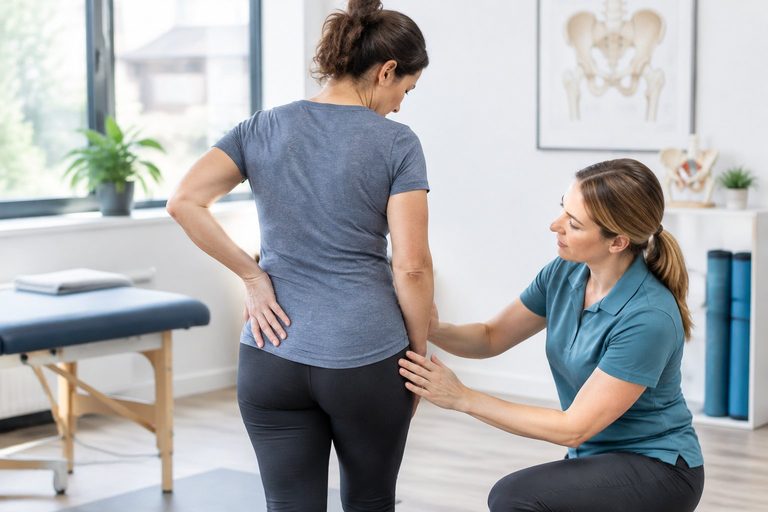
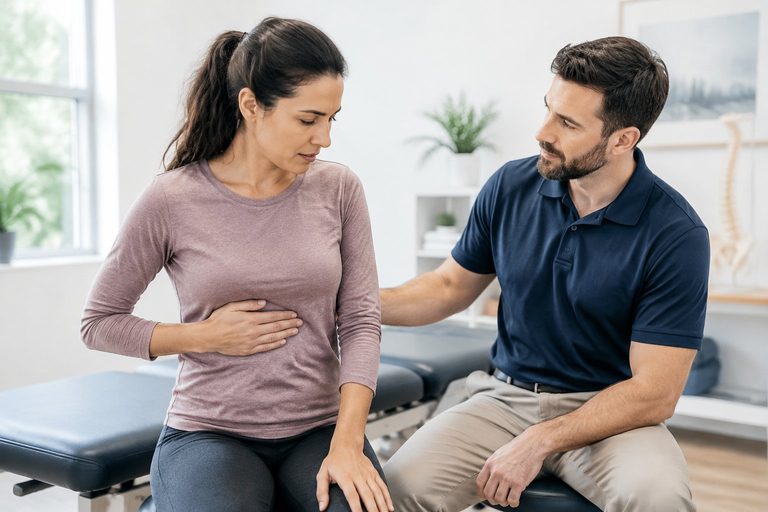
Care starts with a movement assessment, because the sore spot is often the victim, not the cause. A stiff mid-back can overload a shoulder. A restricted ankle can turn into knee pain.
Chiropractic adjustments restore joint motion so nearby muscles stop working overtime to protect a segment that will not move. Soft tissue mobilization and myofascial release address thickened, guarded tissue around the injury, which often limits range of motion long after the original strain settles down.
Physiotherapy and Therapeutic Exercise
Physiotherapy adds the loading piece. Early on, that means gentle range of motion and isometric holds that calm pain while keeping tissue active. As tolerance improves, exercises get heavier and slower to rebuild tendon strength.
Manual therapy and therapeutic exercise together give tissue both freedom and a reason to adapt. Skip the exercise, and you get temporary relief. Skip the hands-on work and progress often stalls on stiffness.
Strength, Mobility, and Sport-Specific Progression
The last phase looks like training again. You move from controlled strength work to sport-specific drills: cutting, jumping, throwing, or hill repeats depending on your sport.
Progression should be based on what you can do, not the calendar. Full pain-free range of motion, near-equal strength side to side, and clean mechanics under fatigue are better clearance signs than a date. What you do between sessions decides how fast you clear those markers.
Recovery Habits That Protect Progress
Treatment gives your body the opportunity to heal. Daily habits decide whether it takes that opportunity or spends the week fighting a deficit.
Athletes tend to obsess over training and improvise recovery. Flipping that balance often produces faster results than adding another workout.
Sleep, Hydration, and Post-Training Refueling
Quality sleep is the strongest recovery tool available. Most tissue repair and hormone release happen during deep sleep, so short nights blunt everything else you are doing.
Hydration keeps blood volume up, which matters when circulation is the mechanism you are trying to support. Refueling within a couple of hours after hard training helps too: carbohydrates for glycogen restoration and protein for rebuilding muscle. Under-eating during rehab slows healing more than most athletes expect.
Active Recovery Versus Complete Rest
Complete rest has a place right after an acute strain. Beyond that, active recovery usually works better, because gentle movement pumps blood through healing tissue without adding damage.
Easy cycling, swimming, walking, or light mobility work on off days keeps joints moving and soreness down. The rule is simple: it should feel easier when you finish than when you started.
Stretching, Foam Rolling, and Mental Reset
Dynamic stretching belongs before training to prepare tissue. Static stretching fits better afterward, when you are trying to restore length in tight areas.
Foam rolling and massage reduce the guarded, tender feeling in overworked muscle and help you tolerate movement again. Do not overlook mental recovery either. Yoga, meditation, or a few quiet minutes of breathing work lowers stress that keeps muscles bracing. Beyond these basics, the recovery market gets crowded fast.
Choosing Recovery Modalities Wisely
Plenty of recovery tools work; few work for everything. Matching the method to your goal keeps you from wasting time on gadgets that feel productive but do not move healing forward.
The main question is whether you want to reduce soreness, restore movement, or promote tissue repair. Those are different jobs.
Cold, Heat, and Hydrotherapy
Cold water immersion and cryotherapy blunt soreness and can help you recover between same-day events. They may also dampen some of the adaptation you trained for, so it makes sense to time them away from key strength sessions.
Heat therapy and contrast hydrotherapy do the opposite, increasing local blood flow and easing stiffness. Heat generally suits chronic tightness better, while cold suits fresh swelling.
Compression and Hands-On Options
Compression garments and pneumatic boots support circulation and lymphatic drainage, which many athletes find helpful for heavy legs after long training days. The comfort benefit is real even when the performance effect is modest.
Manual therapy stays one of the most useful options because it changes tissue quality and joint motion, not just how you feel for an hour.
Supplements, Dry Needling, and Light Therapy
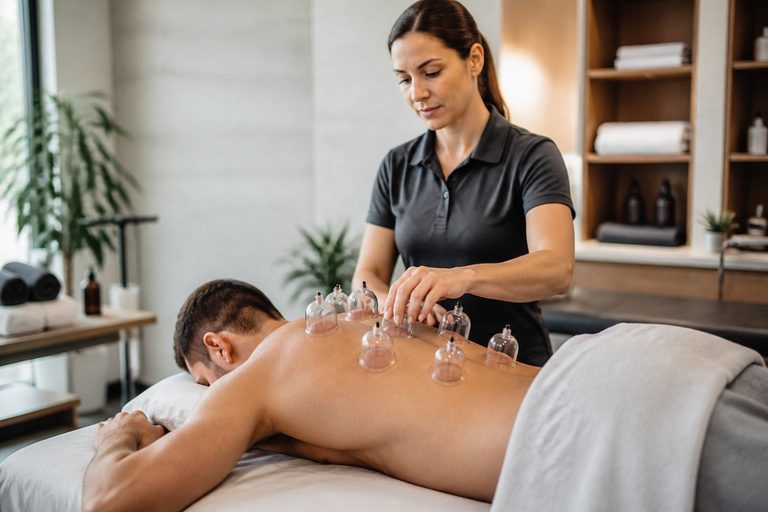
Protein, creatine, and correcting a real nutrient deficiency have solid support. Most other supplements sit far behind sleep and food. Dry needling can release trigger points and reduce spasm in muscle that stays locked up. Near-infrared light therapy supports cellular energy and recovery, with results that vary by person.
Any of these can complement a plan. None replaces knowing exactly which tissue is injured and why.
Take the Next Step Toward Confident Movement
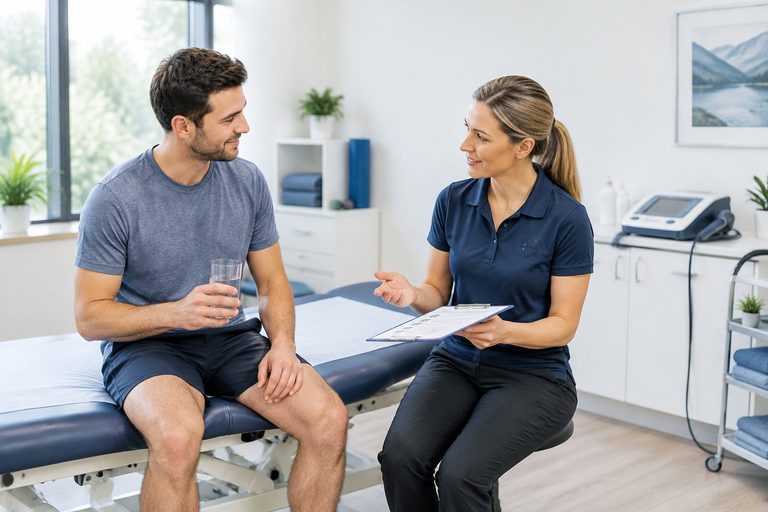
If your injury has outlasted your patience, an exam usually saves more time than another few weeks of guessing. A clear diagnosis tells you whether you need load, rest, or treatment to restart healing.
Signs It Is Time for a Professional Evaluation
Consider getting evaluated when pain has lasted more than two or three weeks, keeps returning at the same intensity, or forces you to change how you move. Sharp pain, giving way, numbness, or noticeable swelling deserve attention sooner.
You should also come in if your performance has dropped without a clear reason. Chronic overtraining and unresolved injuries often show up as fatigue and stalled progress before they show up as pain.
Frequently Asked Questions
What Is the Best Way to Recover After a Hard Workout or Sports Injury?
For normal training soreness, prioritize sleep, food, hydration, and easy movement the next day. For an actual injury, get it assessed instead of guessing, since strains, tendon problems, and joint issues each need different treatment and loading.
How Can Physical Therapy Help Me Return to My Sport Safely?
Physiotherapy rebuilds the strength, range of motion, and control you lost while injured, then progresses you into sport-specific drills. That staged loading lowers re-injury risk because it tests your body before your sport does.
How Long Does It Take to Recover From a Sports Injury?
Mild strains often settle in three to six weeks, moderate tears take two to three months, and severe tears or surgical repairs can run four to six months or longer. Your recovery time depends on the tissue involved, how long it has been going on, and how consistent your rehab is.
What Treatments Help Reduce Muscle Soreness, Pain, and Stiffness After Training?
Massage, soft tissue mobilization, heat, compression, and gentle active recovery all help with soreness and stiffness. For pain that keeps returning in the same tendon or fascia, shockwave treatment targets the stalled tissue instead of only calming symptoms.
Does Insurance Cover Physical Therapy for Sports Injuries?
Many plans cover chiropractic and physiotherapy for injury rehabilitation, though visit limits, deductibles, and referral rules vary. Call our office with your plan details, and we will walk you through your coverage and out-of-pocket options before you commit.
When Should I See a Chiropractor or Physical Therapist for Ongoing Sports Pain?
Come in when pain has lasted longer than a few weeks, keeps flaring with the same movement, or is changing your form. Early evaluation is easier to treat than a compensation pattern you have trained into for months.
A Personalized Path Back to Training
At Metro Acute Chiropractic in Lone Tree, care starts with finding the root cause, then combining Stemwave, chiropractic adjustments, and physiotherapy into a plan built around your sport and your timeline. With 16-plus years of experience and thousands of patients treated, the focus stays on restoring how you move, not just quieting symptoms.
If a strain, tendon problem, or nagging soft-tissue pain is holding your training back, we can help you find out what is actually causing it. Request an appointment today, and let’s build a plan that gets you back to sport with confidence.