TMJ treatment in Lone Tree, CO is more accessible than many people realize, and relief is often possible without surgery or strong medications. The temporomandibular joint (TMJ) connects your lower jaw to your skull, just in front of each ear.
When something disrupts how this joint moves, whether that’s muscle tension, bite stress, or a structural issue, it creates the cluster of symptoms known as temporomandibular joint disorder (TMD). Pain, stiffness, and limited jaw movement are the most obvious signs, but TMD can also trigger headaches, ear pressure, and neck soreness that seem completely unrelated to your jaw.
Here at Metro Acute Chiropractic, we’ve helped thousands of patients across the south Denver metro work through jaw pain and TMD-related symptoms using drug-free, non-surgical approaches. With 16+ years of experience and a root-cause philosophy, our team looks at the full picture, including how your neck, posture, and habits may be feeding into your jaw discomfort.
This article is meant as general information, not medical advice. If you’re experiencing ongoing jaw pain or TMD symptoms, please seek a professional evaluation for an accurate diagnosis.
Signs Your Jaw Problem May Need Professional Care
Jaw pain doesn’t always look the way you’d expect. TMJ disorder can show up in subtle ways that are easy to dismiss or misattribute to something else entirely, and knowing what to watch for can help you get care before symptoms get worse.
Common Symptoms Beyond Jaw Soreness
Most people think of jaw pain first, but TMJ disorder often brings a wider range of symptoms. You might notice facial soreness, ear pressure or a sense of fullness in the ears, dizziness, or a feeling that your teeth don’t quite fit together the way they used to. Some people experience difficulty opening their mouth fully, especially in the morning.
Other less obvious signs include:
- Neck and shoulder stiffness that doesn’t resolve with rest
- Frequent headaches, especially around the temples
- Tenderness in the face or jaw muscles when you press on them
- Disrupted sleep without an obvious cause
If several of these symptoms show up together, that pattern points more strongly toward a TMJ disorder than any one symptom alone.
How Teeth Grinding And Clenching Can Show Up
Bruxism, the habit of grinding or clenching your teeth, often happens at night while you sleep, making it hard to catch on your own. You may wake up with a sore jaw, a headache across your forehead, or sensitive teeth without knowing why.
Partners sometimes notice the grinding sound before you do. Dentists may spot worn enamel or small cracks in the teeth during routine checkups. Because bruxism puts repeated stress on the TMJ and surrounding muscles, it can quietly build up into significant jaw pain and joint irritation over time. If you notice consistent morning jaw soreness, it’s worth bringing up at your next evaluation.
When Clicking, Locking, Or Headaches Should Not Be Ignored
Occasional jaw clicking without pain is common and not always a concern. The signal to pay attention is when clicking comes with pain, occurs frequently, or when your jaw briefly locks open or closed. These can indicate that the disc inside the TMJ is shifting out of position.
Recurring headaches that don’t respond to typical remedies are also a reason to look more closely at the jaw joint. When headaches cluster around the temples or behind the eyes and occur alongside jaw symptoms, TMD is worth ruling out. Locking episodes in particular should prompt a professional evaluation sooner rather than later.
Why TMJ Symptoms Start And Why They Can Linger
TMD rarely has a single cause. It tends to develop from a combination of physical stressors that accumulate over time and strain the jaw joint and surrounding muscles, slowing recovery without the right support.
Muscle Tension, Joint Irritation, And Bite Stress
The TMJ is one of the most frequently used joints in your body. Every time you chew, speak, or swallow, it moves. When the muscles around the joint become chronically tense, or when bite alignment places uneven pressure on one side, the joint doesn’t move as smoothly as it should.
This creates friction, irritation inside the joint capsule, and over time, inflammation that keeps symptoms going even after the initial trigger is gone. Arthritis can also affect the TMJ, adding to joint irritation and stiffness.
The Role Of Neck Posture And Everyday Habits
The jaw doesn’t work in isolation. Your neck muscles, upper spine, and head position all influence how the TMJ functions. Forward head posture, which is increasingly common with desk work and phone use, shifts the load onto the muscles of the jaw and neck and can directly contribute to TMJ tension. Habits like resting your chin in your hand, chewing on one side only, or eating hard, crunchy foods when your jaw is already sore can make things worse. These aren’t dramatic injuries; they’re small repetitive stresses that accumulate.
How Bruxism Can Aggravate TMD
Bruxism is one of the most consistent aggravating factors in temporomandibular joint disorder. When you clench or grind your teeth, the muscles that close the jaw contract with significant force, far more than normal chewing ever requires.
Over hours of grinding during sleep, this repeated load taxes both the joint and the surrounding muscles. The result is inflammation, muscle fatigue, and reduced range of motion, which tend to feel worse first thing in the morning. Breaking the bruxism cycle is often a key part of getting TMD under control, which is why treatment frequently needs to address both the joint and the clenching behavior.
How Conservative Care May Help Relieve Jaw Tension
The good news is that most cases of TMJ disorder respond well to conservative, non-invasive treatment. Many people experience meaningful improvement with the right combination of hands-on care and guided home strategies, often without needing surgery or long-term medication.
Chiropractic And Joint Mobility Approaches
Chiropractic care can play a useful role in TMJ management, particularly when neck and upper spine tension are contributing to jaw symptoms. Restricted movement in the cervical spine can create compensatory tension that reaches up into the jaw muscles.
Gentle adjustments and mobilization techniques targeting the neck and upper back may help reduce referred tension and improve overall jaw function.
Soft Tissue Work, Physiotherapy, And Acupuncture
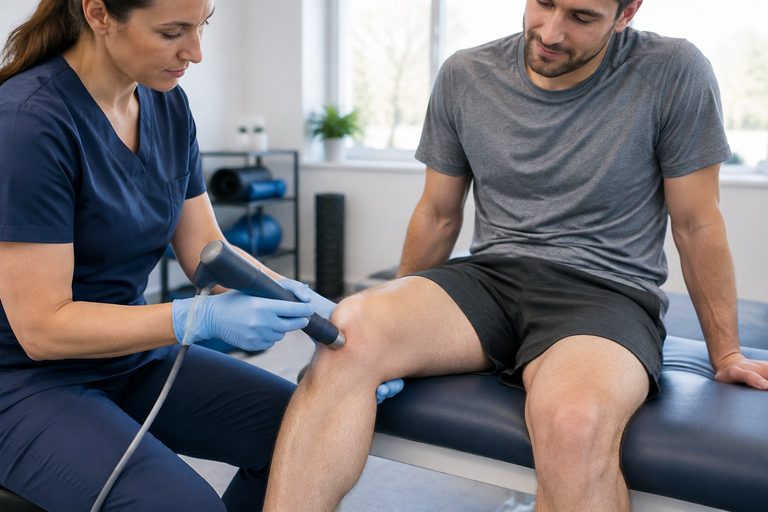
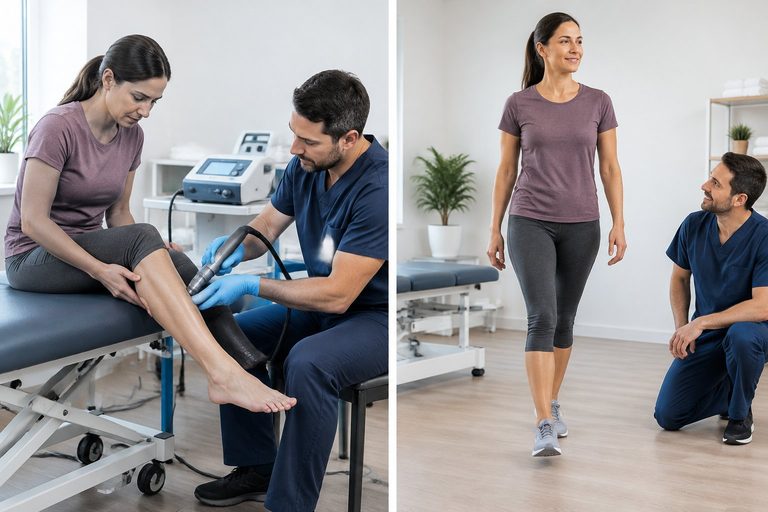
Soft tissue therapy, including myofascial release and therapeutic massage of the jaw, face, and neck muscles, can ease the chronic tightness that keeps TMD symptoms cycling. Physiotherapy adds targeted exercises to strengthen and stretch the muscles supporting the joint, improving mobility and reducing pain over time.
Acupuncture is another option that many TMJ patients find helpful. Placing fine needles at specific points around the jaw, face, and neck may help reduce muscle tension and discomfort. Some patients find it especially useful when stress is a major driver of their clenching habits.
Home Strategies To Reduce Flare-Ups
Between appointments, small daily choices can either support or slow your recovery. Helpful home strategies include:
- Eating soft foods and cutting food into smaller pieces during flare-ups
- Avoiding wide yawning or chewing gum when the jaw feels sore
- Applying a warm compress to the jaw muscles for 10 to 15 minutes to ease tension
- Practicing slow, gentle jaw stretches as directed by your provider
- Being mindful of clenching habits during the day, especially during stressful moments
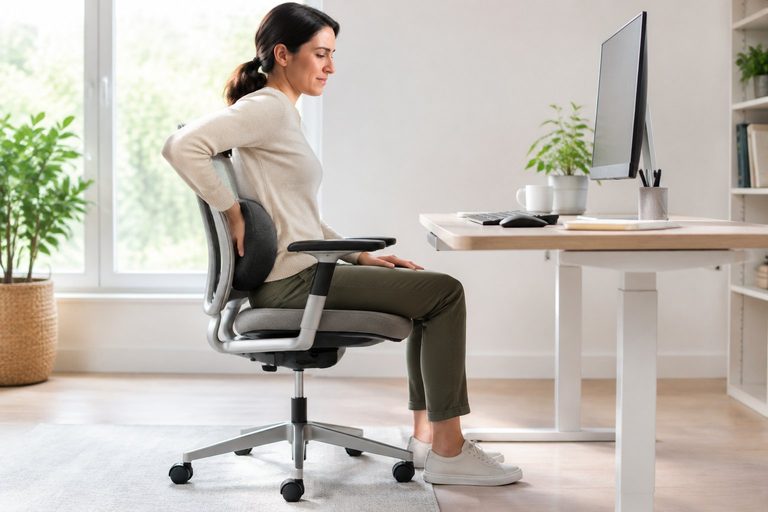
- Maintaining good posture at your desk to reduce load on the neck and jaw
These steps won’t replace professional care, but they can make a real difference in how quickly you recover and how often symptoms return.
When Dental Support Or Co-Management Makes Sense
Some aspects of TMJ disorder benefit from dental input, particularly when teeth grinding or bite alignment is playing a significant role. In those cases, working alongside a dental provider offers a more complete approach than either discipline can on its own.
How A Custom Night Guard May Help Protect The Jaw
A custom night guard is a dental appliance worn while you sleep to reduce the impact of bruxism on your teeth and jaw joint. Unlike over-the-counter options, a custom night guard is fitted precisely to your bite, which helps it work more effectively and feel more comfortable.
Creating a slight separation between the upper and lower teeth reduces the force transmitted to the TMJ during grinding episodes. Many patients notice less morning jaw soreness and fewer tension headaches once they start using one consistently.
Results vary, and a night guard addresses the effects of grinding more than the root cause, but it can be a valuable protective layer while other treatments address the underlying tension.
When To Consider A Dentist Evaluation For TMD
A dentist evaluation makes sense when you have visible signs of tooth wear, when your bite feels uneven, or when symptoms haven’t responded to conservative care alone.
A dentist can assess whether bruxism has caused enamel damage, whether occlusal issues are contributing to jaw stress, and whether an oral appliance, such as a custom night guard or splint, is appropriate. If imaging is needed to assess the joint itself, a dental or medical provider can arrange it as well.
What To Expect From An Evaluation In Lone Tree
Getting an evaluation is the most important step you can take when jaw pain, clicking, or headaches have been affecting your daily life. A thorough assessment helps identify what’s actually driving your symptoms so that treatment targets the right problems from the start.
Questions, Exam Findings, And Movement Testing
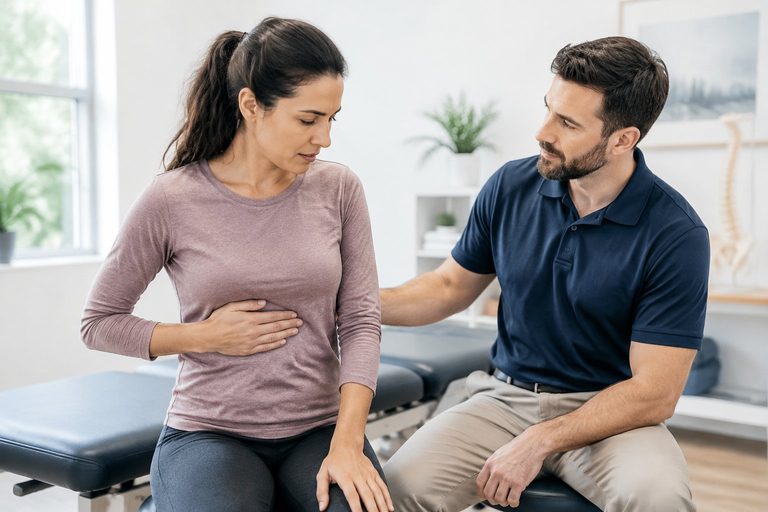
At your first visit, expect a conversation about when your symptoms started, what makes them better or worse, whether you grind your teeth, and how the discomfort affects things like eating or sleeping. Your provider will also ask about neck pain, headaches, and recent stress levels, since all of these connect to TMJ function.
The physical exam will look at jaw range of motion, how far you can open your mouth, whether there’s any deviation to one side, and where you feel tenderness when the muscles are pressed. Your provider will also assess your neck mobility and posture, since these directly influence TMJ mechanics.
Building A Root-Cause Treatment Plan
Once the exam is complete, you’ll receive a clear explanation of what’s contributing to your symptoms and a treatment plan built around those findings. Your plan might combine chiropractic care for the neck and spine, soft-tissue therapy for the jaw and facial muscles, acupuncture, and guided home exercises. If dental input appears necessary, we’ll let you know and support that referral.
When Referral Or Imaging Is Appropriate
Most TMJ cases don’t require imaging, but there are situations where an MRI or CT scan can be useful, particularly if the joint appears to be locking frequently, if there’s been a direct injury to the jaw, or if pain is severe and not improving with initial care.
In those cases, your provider will explain the reasoning clearly and refer you appropriately. Oral and maxillofacial surgery is available in the Lone Tree and greater Denver area for the rare cases that require it, though surgery is considered a last resort after conservative approaches have been tried.
Frequently Asked Questions
What are the most common causes of jaw pain and clicking near the ear?
Jaw pain and clicking near the ear are typically caused by muscle tension, disc displacement inside the TMJ, or repeated stress from bruxism. Poor neck posture and bite alignment issues can also contribute. In many cases, a combination of these factors is at play rather than a single clear cause.
Which symptoms indicate it’s time to see a specialist for jaw joint issues?
You should seek an evaluation if jaw pain lasts more than a few weeks, if your jaw locks or catches during movement, or if you’re experiencing frequent headaches alongside jaw symptoms. Morning jaw soreness that doesn’t improve, difficulty fully opening your mouth, and ear pressure without an infection are also signs worth taking seriously.
What non-surgical options are available to relieve jaw joint pain and tension?
Non-surgical options include chiropractic care for the neck and spine, soft tissue therapy, physiotherapy exercises, acupuncture, and custom dental night guards. Home strategies such as eating soft foods, applying warm compresses, and improving posture can also help reduce symptoms. Most patients find that a combination of these approaches works better than any single treatment.
How long does it usually take to notice improvement with a custom night guard or splint?
Many patients notice reduced morning jaw soreness within two to four weeks of consistently wearing a custom night guard. Full benefit often takes a bit longer, and results vary depending on how severe the bruxism is and whether other treatments are being used alongside it.
Can teeth grinding, stress, or bite alignment problems contribute to jaw joint discomfort?
Yes, all three are recognized contributors to TMJ discomfort. Teeth grinding places repeated high-force stress on the joint; chronic stress increases muscle tension throughout the jaw and neck; and bite misalignment can create uneven load on the TMJ with every chew. Addressing these factors together typically leads to better outcomes than treating the joint alone.
What should I expect during an evaluation and diagnosis appointment for jaw joint pain?
Your provider will ask about your symptoms, history, and habits before examining your jaw range of motion, muscle tenderness, and neck posture. Movement tests help identify where restriction or pain originates. From there, you’ll receive a clear explanation of findings and a treatment plan focused on addressing the underlying causes of your discomfort.
Take the First Step Toward Lasting TMJ Relief
If jaw pain, clicking, or morning headaches have been holding you back, our team at Metro Acute Chiropractic is ready to help you find real answers. We serve patients throughout Lone Tree, Highlands Ranch, Parker, Centennial, Castle Pines, Castle Rock, Englewood, and the Denver Tech Center with a root-cause, drug-free approach backed by 16+ years of experience.
Call us at (303) 221-3342 or request an appointment online. We’re located at 9898 Rosemont Ave, Lone Tree, CO 80124, and we look forward to helping you feel like yourself again.