If you’re active in Parker and dealing with a nagging injury that just won’t go away, you’re not alone. Whether you play recreational sports on the weekends, train regularly at the gym, or simply pushed too hard on a run, sports injuries can slow you down fast.
Finding a qualified sports chiropractor in Parker, CO is one of the most effective steps you can take toward getting back to the activities you love. Our Lone Tree office at Metro Acute Chiropractic is just a short drive from Parker, and our team has been helping active adults across the south Denver metro recover from sports-related pain for over 16 years.
We take a drug-free, non-surgical approach that’s focused on real recovery, not temporary relief. This article is general information and is not a substitute for professional medical advice. A proper evaluation is always the best place to start.
When A Sports Injury Needs Professional Attention
Broadly, chiropractic care and treatment are built around restoring normal function to the spine, joints, and surrounding soft tissues. Not every ache needs a clinic visit, but some pain patterns signal something deeper that won’t resolve on its own.
Common Pain Patterns In Active Parker Patients
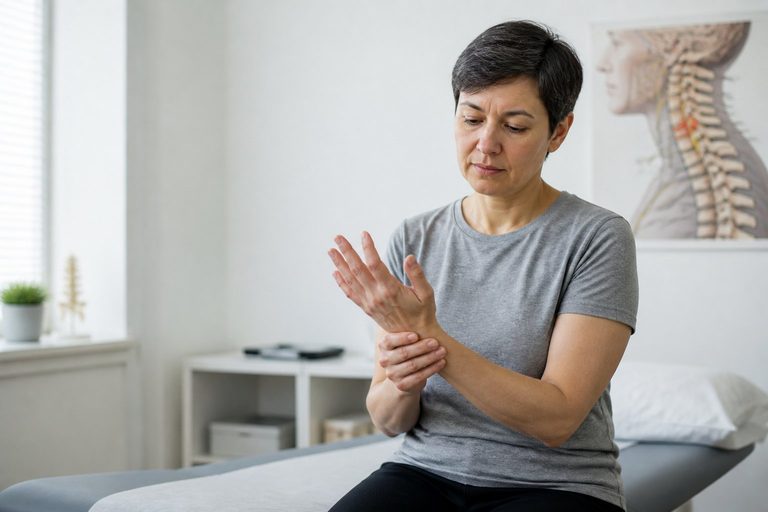
Active adults in Parker often present with pain that started gradually and then became hard to ignore. Common patterns include:
- Sharp or aching pain in the lower back after runs or heavy lifts
- Shoulder stiffness or pain with overhead movements
- Knee pain during squats, stairs, or lateral movement
- Hip tightness that affects stride or range of motion
- Neck pain and headaches after contact sports or falls
- Foot and heel pain from repetitive impact
If any of these sound familiar, your body is likely signaling a mechanical problem that needs attention.
Why Delaying Care Can Prolong Recovery
Waiting through pain often makes things worse. When a joint isn’t moving properly, the surrounding muscles compensate, creating new strain patterns. Over time, minor inflammation can lead to scar tissue, reduced range of motion, and longer recovery timelines.
Early chiropractic care may help reduce inflammation, restore joint movement, and prevent a short-term issue from becoming a long-term limitation.
How A Sports-Focused Evaluation Differs
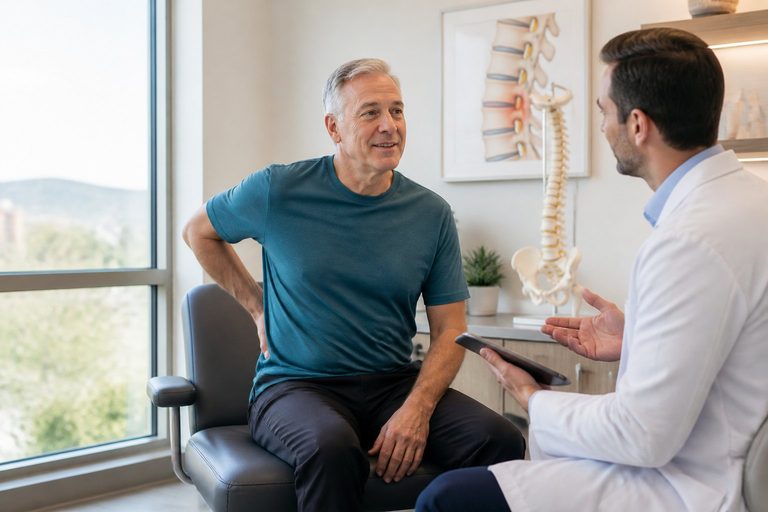
A sports-focused chiropractic evaluation goes beyond a general checkup. The goal is to understand how your injury happened, what movements aggravate it, and which tissues are involved.
Your provider will assess your posture, spinal alignment, joint mechanics, and movement patterns specific to your sport or activity. This gives our team the information needed to build a care plan that fits your body, your goals, and your timeline.
How We Approach Athletic Injury Recovery
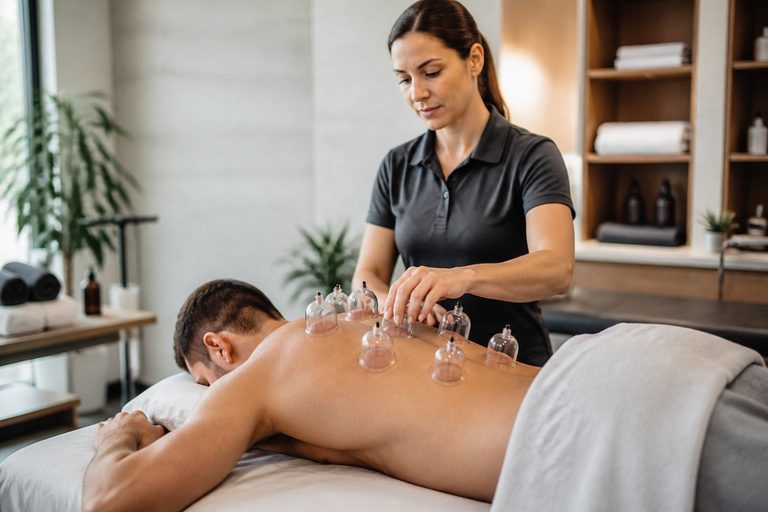
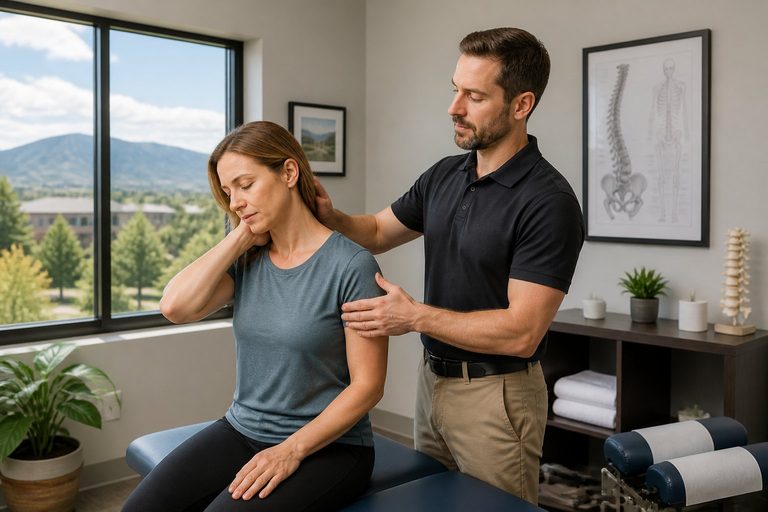
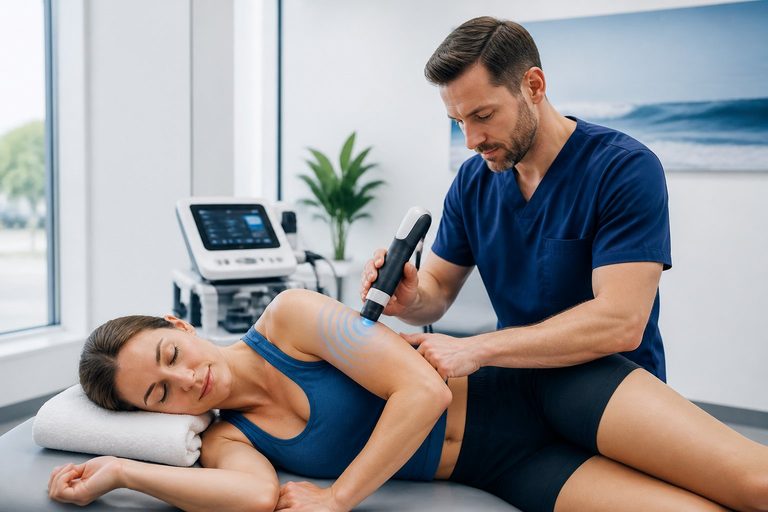
Recovery plans for active adults are built around restoring movement and addressing the structures that are actually causing your pain. Massage therapy, Graston technique, and dry needling are among the tools we use to achieve this.
Improving Joint Motion And Spine Mechanics
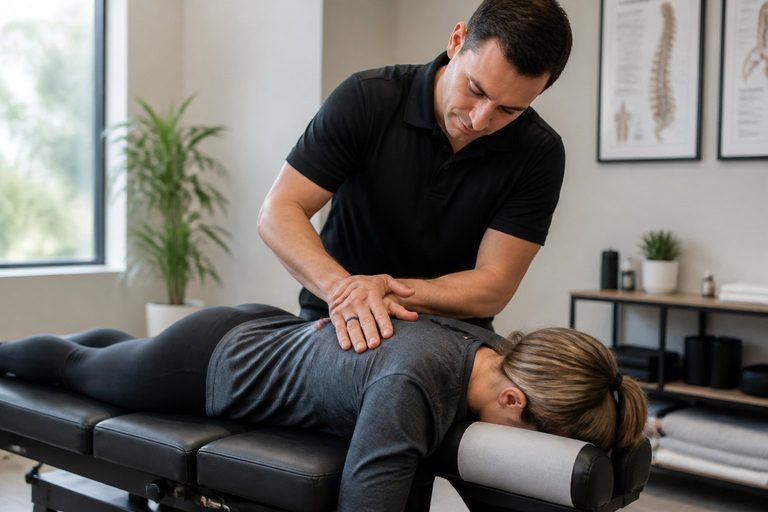
Restricted joint mobility is a central problem in many sports injuries. Chiropractic adjustments work to restore normal motion to the spine and extremity joints, which may reduce pain, improve nerve function, and allow the body to heal more efficiently.
When your joints move the way they’re supposed to, the muscles around them don’t have to work as hard to compensate. Many patients notice improved mobility within the first few visits.
Addressing Muscle And Fascia Restrictions
Tight muscles and bound-up fascia are common in athletes who train regularly or have accumulated repetitive stress. Massage therapy helps reduce muscle tension, improve circulation, and support tissue healing.
The Graston technique uses specialized instruments to break up scar tissue and fascial adhesions that limit movement. Dry needling targets trigger points, which are tight, irritable knots in the muscle that can cause pain locally and in other areas of the body.
Used together, these tools address layers of restriction that adjustments alone may not fully reach.
Supporting Healing With Rehab And Movement Retraining
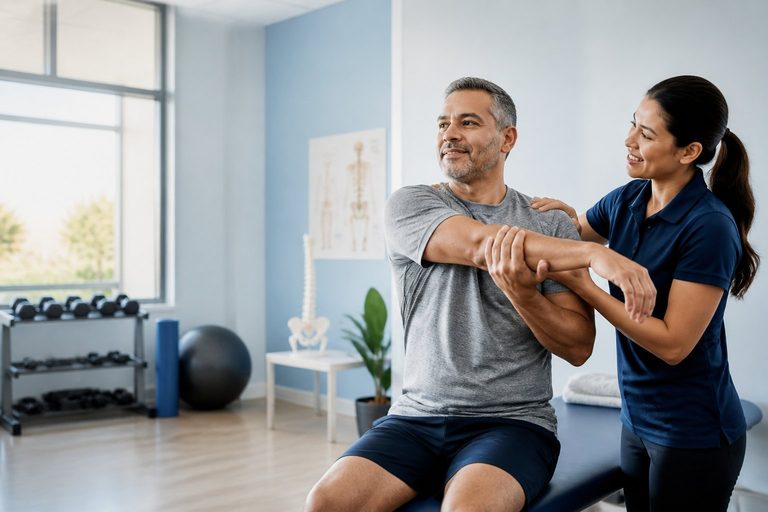
Getting out of pain is the first goal. Staying out of pain requires correcting the movement patterns that contributed to the injury. Rehabilitative exercises, corrective stretching, and strengthening work help rebuild stability and control around injured areas.
Our team also uses Kinesio taping and myofascial release to support tissue recovery between visits. The goal is to get you moving better, not just feeling better in the short term.
Conditions And Injuries Commonly Seen In Active Adults
Spinal decompression is one of several tools that may be appropriate for active adults dealing with disc-related or nerve-based pain. The conditions below are among the most common we see from Parker and the greater south Denver metro area.
Back And Neck Pain From Training And Impact
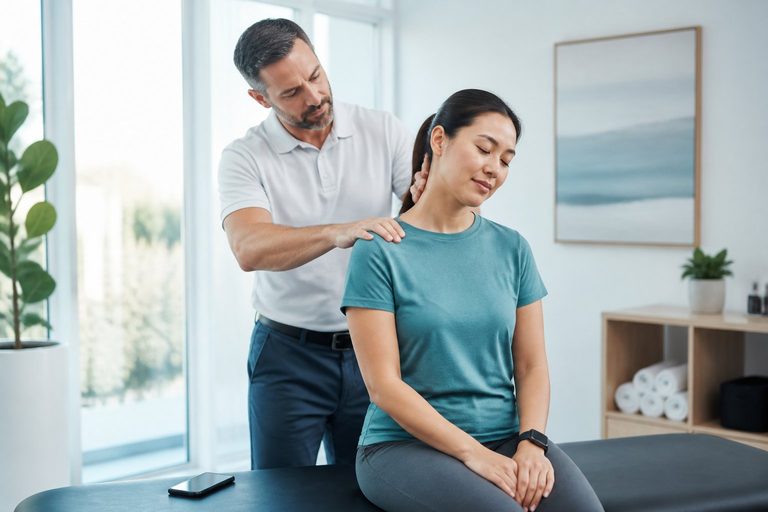
Low back pain is one of the most frequent reasons active adults seek chiropractic care. It can come from heavy lifting, poor form, sudden impact, or simple overuse. Neck pain from contact sports, falls, or postural strain during training is also common.
Chiropractic adjustments and soft-tissue care address the underlying joint and muscle dysfunction driving these symptoms, rather than just managing pain at the surface.
Sciatica, Disc Issues, And Nerve Irritation
Sciatic pain, which radiates from the lower back through the hip and down the leg, is often caused by a herniated disc or irritated nerve in the lumbar spine. Athletes who do a lot of bending, lifting, or high-impact activity are especially vulnerable.
Spinal decompression gently reduces pressure on affected discs and nerves, which may allow the area to heal with less inflammation. Many patients find meaningful relief without medication or surgery.
Shoulder, Hip, Knee, And Foot Overuse Problems
Repetitive stress injuries affect joints throughout the body. Common presentations include:
- Shoulder pain from swimming, throwing, or overhead pressing
- Hip pain from running, cycling, or lateral sports
- Knee pain from squatting, running, or jumping activities
- Plantar fasciitis and foot pain from impact sports and long training hours
Each of these areas responds to a targeted combination of joint work, soft-tissue treatment, and exercise-based rehab. Custom orthotics may also be recommended when foot mechanics are contributing to pain higher up the chain.
What To Look For In A Conservative Sports Care Plan
A good sports care plan should include a thorough intake and movement assessment, not just a quick adjustment. Look for a provider who explains your diagnosis clearly, sets realistic expectations, and adjusts your treatment as you improve.
The plan should address both the symptom and the cause. Multimodal care that combines spinal manipulation, soft-tissue therapy, and exercise rehab tends to produce better outcomes than any single approach.
Questions To Ask Before Starting Treatment
Before starting care, consider asking:
- What is the likely cause of my injury based on your evaluation?
- How many visits should I expect before seeing improvement?
- What therapies will be used, and why?
- Will I receive exercises or home care guidance?
- Do you have experience treating athletes or active adults?
These questions help you gauge whether the provider is taking a thorough, evidence-informed approach.
Comparing General Wellness Visits Vs Sports Injury Care
General wellness chiropractic visits focus on maintenance, posture support, and long-term spinal health. Sports injury care is more focused, acute, and goal-oriented. It typically involves more detailed assessment, a greater variety of treatment tools, and a structured progression from pain relief to functional restoration.
If you’re dealing with a specific injury, look for a provider who structures care around your recovery goals rather than open-ended maintenance visits.
Frequently Asked Questions
How can chiropractic care help with sports injuries and improve athletic performance?
Chiropractic care may help restore joint motion, reduce muscle tension, and address nerve irritation that can result from sports injuries. Better spinal mechanics and joint function often translate to improved movement efficiency and reduced re-injury risk. Many active adults find that regular chiropractic care supports both recovery and performance over time.
What should I expect during my first appointment for a sports-related issue?
Your first visit at Metro Acute Chiropractic includes a detailed health history review, a movement and postural assessment, and a focused evaluation of the injured area. Your provider will explain their findings and outline a care plan before any treatment begins. Treatment often starts that same day, depending on your condition.
Which conditions do you commonly treat for active adults and athletes, such as back, neck, or shoulder pain?
Our team regularly treats low back pain, neck pain, sciatica, herniated discs, shoulder injuries, hip pain, knee pain, plantar fasciitis, and pinched nerves, among other conditions. Sports injuries from overuse, impact, and repetitive strain are a significant part of our patient population. A proper evaluation determines which approach is most appropriate for your specific injury.
Can you combine chiropractic adjustments with sports massage or soft-tissue therapy?
Yes, and in many cases combining these approaches produces better outcomes than either alone. At Metro Acute Chiropractic, treatment plans may include chiropractic adjustments alongside massage therapy, myofascial release, Graston technique, and dry needling, depending on your injury. Your care plan is built around your specific presentation.
Do you offer complementary services, such as acupuncture, for pain relief and recovery?
Acupuncture is available at Metro Acute Chiropractic and may be incorporated into your recovery plan when appropriate. It is commonly used to relieve pain, reduce inflammation, and improve circulation in injured tissues. Ask your provider during your evaluation whether acupuncture may be a good fit for your condition.
Why Parker Patients Visit Our Lone Tree Office
Everything offered at Metro Acute Chiropractic is designed to support your body’s ability to heal without drugs or surgery. That includes chiropractic adjustments, acupuncture, massage therapy, physiotherapy, myofascial release, Kinesio taping, corrective exercises, and nutritional consultations.
If your pain has lasted more than a few days, is getting worse with activity, or is affecting your ability to train and move normally, it’s time to get evaluated. Don’t wait for a minor issue to become a chronic problem.
Call us at (303) 221-3342 or request an appointment online. Our team is ready to help you get back to the activities that matter to you.