Heel pain that greets you the moment your feet touch the floor can make even the simplest mornings feel overwhelming. We understand how frustrating and discouraging it is to start your day with that sharp, stabbing sensation at the bottom of your heel.
If this pain sounds familiar, you may be experiencing plantar fasciitis, the most common cause of heel pain in adults. Getting the right plantar fasciitis treatment in Lone Tree, CO, can make all the difference in restoring your comfort and helping you return to an active lifestyle.
Here at Metro Acute Chiropractic, we’ve spent over 16 years helping our neighbors throughout Lone Tree, Highlands Ranch, Parker, Centennial, Castle Pines, and the south Denver metro area find real relief from foot pain. Our team is dedicated to uncovering the root cause of your discomfort, not just masking symptoms.
Whether your heel pain is new or has been lingering for months, a professional evaluation is the best first step toward lasting relief. We’re here to help guide you on that path.
This article offers general information and is not a substitute for personalized medical advice. If you’re struggling with persistent heel or foot pain, we encourage you to schedule a consultation so our team can assess your specific situation.
How Plantar Fasciitis Causes Heel Pain
Plantar fasciitis develops when the band of tissue connecting your heel to your toes becomes irritated and inflamed. The pain’s timing and location are very specific, which helps distinguish it from other types of foot pain.
What the Plantar Fascia Does
The plantar fascia is a thick, fibrous band running along the bottom of your foot. It connects your heel bone to the base of your toes and supports your foot’s arch. Every step you take places tension on this tissue. When that tension becomes excessive, small tears can develop, leading to inflammation and pain. Think of it as a shock-absorbing cable that can become frayed over time from repeated stress.
Common Symptoms Patients Notice
The hallmark symptom is a sharp, stabbing pain in the heel, often right where the arch begins. Other signs you might notice include:
• Pain that’s worst first thing in the morning
• Aching along the arch of the foot
• Stiffness after sitting or resting
• Mild swelling near the heel
• A tight or sore Achilles tendon
Often, pain eases after moving for a few minutes, then returns after long periods of standing or walking.
Why First-Step Morning Pain Happens
While you sleep, your plantar fascia tightens and shortens slightly. The moment you put weight on your foot in the morning, that tissue is suddenly stretched and stressed before it has warmed up. This is why that first step out of bed tends to be the most painful part of the day for many patients. The same thing can happen after sitting for long stretches at a desk or in a car.
Other Conditions That Can Mimic Plantar Fasciitis
Heel pain isn’t always plantar fasciitis. Other conditions, like heel spurs, nerve entrapment (such as tarsal tunnel syndrome), stress fractures, and Achilles tendinitis can produce similar symptoms. Because these issues can overlap, a thorough evaluation is important before starting any treatment. Getting the right diagnosis early helps you avoid unnecessary delays and frustration.
What Often Triggers Ongoing Foot Strain
Many cases of plantar fasciitis develop gradually from a combination of biomechanical issues and daily habits. Foot structure, footwear choices, and activity levels all play a part.
Flat Feet, High Arches, and Biomechanics
Both flat feet and high arches can increase strain on the plantar fascia. Flat feet tend to roll inward with each step, placing extra tension on the tissue. High arches create a rigid foot that absorbs shock poorly. In both cases, the plantar fascia compensates for what the foot’s structure cannot handle on its own. Poor arch support in everyday shoes can make matters worse.
Shoes, Activity Levels, and Daily Habits
Worn-out shoes, flat sandals, and unsupportive footwear are common contributors to plantar fasciitis. Shoes without proper arch support or cushioning transfer more stress directly to the plantar fascia. Sudden increases in activity, like starting a new exercise program or adding extra miles to your running routine, can trigger symptoms. Jobs that require standing on hard surfaces for hours, such as warehouse work, nursing, or teaching, are frequent culprits as well.
Achilles Tightness and Lower-Leg Imbalances
A tight Achilles tendon limits how far your ankle can flex. When ankle movement is restricted, extra stress shifts onto the plantar fascia during walking and standing. Tight calf muscles can have a similar effect. Many patients are surprised to find that releasing tension in the lower leg brings meaningful relief to their heel pain.
When Workouts or Work Duties Make Symptoms Worse
Certain movements and habits tend to aggravate plantar fasciitis. Running on hard pavement, jumping, or high-impact exercise without adequate support can trigger flare-ups. Long shifts on hard concrete or tile floors without proper insoles or shoe inserts can also worsen symptoms. Even switching from supportive athletic shoes to flat dress shoes for a week can set off a painful episode.
Non-Surgical Care Options in Lone Tree
The good news is that most cases of plantar fasciitis respond well to conservative, non-surgical care. Many patients see meaningful improvement without medication or invasive procedures, especially when treatment starts early. Here at Metro Acute Chiropractic in Lone Tree, we offer a range of plantar fasciitis treatment options designed to address the root cause and reduce pain over time.
Chiropractic and Manual Care Approaches
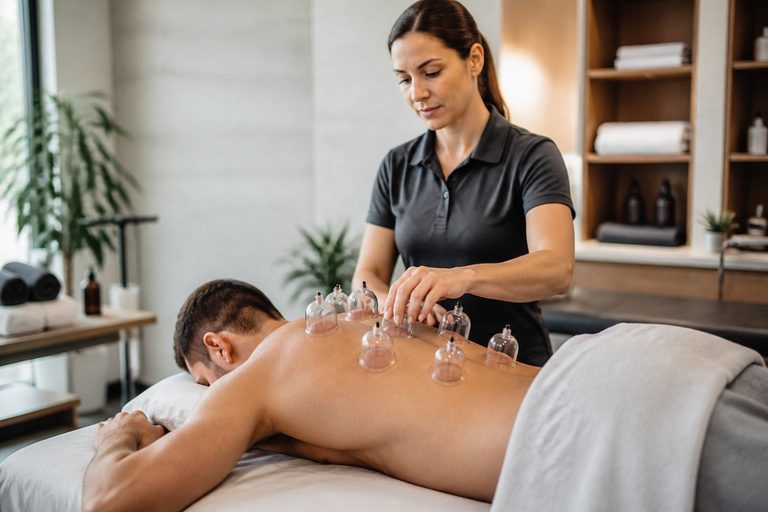
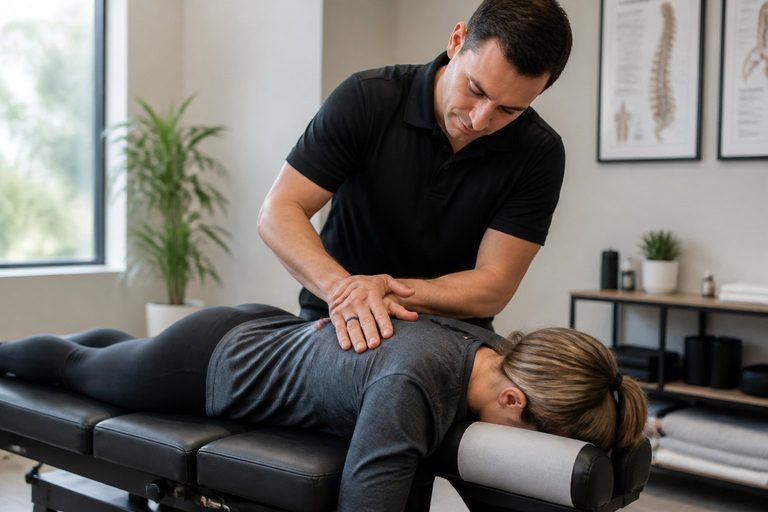
Chiropractic care can be an effective part of plantar fasciitis treatment because it addresses the musculoskeletal factors contributing to heel pain. Adjustments to the foot, ankle, and lower leg can improve alignment and reduce abnormal stress on the plantar fascia. Our team also uses myofascial release to break up adhesions in the tight tissue along the bottom of the foot. Graston technique and other manual therapies may help reduce inflammation and improve circulation in the affected area.
Physical Therapy Style Exercises and Stretching
Stretching and strengthening exercises are among the most effective tools for managing plantar fasciitis. Targeted work on the calf muscles, Achilles tendon, and plantar fascia itself helps lengthen tight tissue and build support for your foot. Common approaches include:
• Calf stretches against a wall
• Towel stretches before getting out of bed
• Toe curls
• Arch-strengthening movements
• Eccentric calf raises for Achilles flexibility
Our team walks patients through these exercises to ensure they’re done correctly and consistently.
Custom Orthotics, Taping, and Footwear Support
Custom orthotics are prescription shoe inserts made specifically for your foot shape and mechanics. They address your individual arch profile and gait pattern for optimal support. Kinesio taping is another tool we use to support the arch and reduce strain on the plantar fascia during daily activity. Pairing these tools with supportive shoes creates a foundation that reduces stress on the heel with every step.
You are welcome to visit us at 9898 Rosemont Ave, Lone Tree, CO 80124, or call (303) 221-3342 to schedule a consultation. You can also request an appointment online at metroacutechiro.com/appointments.
Night Splints, Ice, and Other Conservative Measures
Night splints hold your foot in a gently flexed position while you sleep, keeping the plantar fascia slightly stretched. This helps prevent the overnight tightening that leads to a painful first step in the morning. Applying ice to the heel for 15 to 20 minutes after activity can help manage inflammation. Relative rest, meaning you reduce high-impact activities without becoming completely sedentary, gives the tissue time to heal while maintaining circulation.
When Injections or Shock Wave Therapy May Be Discussed
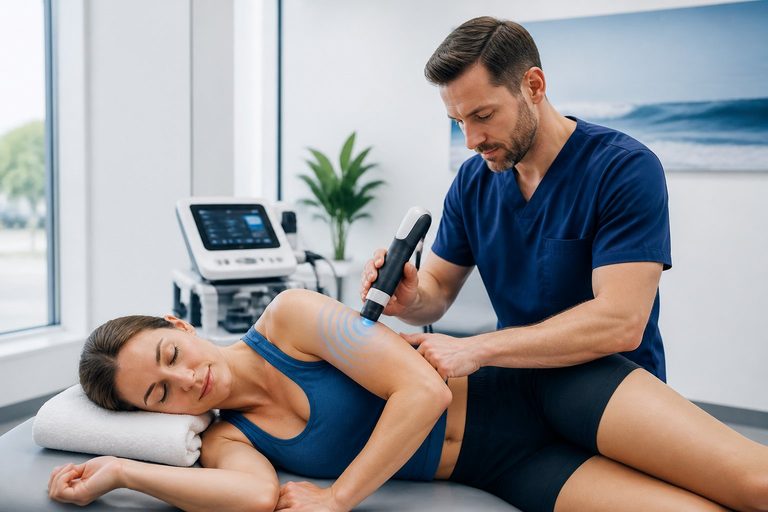
If conservative care does not produce enough progress after several weeks, other options may be considered. Corticosteroid injections can reduce inflammation in the short term, though repeated use is limited due to potential tissue effects. Extracorporeal shock wave therapy uses sound waves to stimulate healing in chronic plantar fasciitis cases and is available from some providers in the Lone Tree area.
When Imaging, Referral, or Surgery May Be Needed
Most people with plantar fasciitis never need surgery. The vast majority of cases resolve with consistent conservative care over weeks to months. There are situations where a more detailed evaluation or a specialist referral is appropriate.
Signs You Need a More Detailed Evaluation
If your heel pain has lasted longer than three months without improvement, is getting progressively worse despite treatment, or is accompanied by significant swelling, bruising, or numbness, it’s time for further investigation. Imaging such as X-ray, ultrasound, or MRI may be ordered to rule out a heel spur, stress fracture, or other structural problem. These tools also help confirm the severity of plantar fascia damage.
When Plantar Fascia Release Enters the Conversation
Plantar fascia release is a surgical procedure that involves partially cutting the plantar fascia to relieve tension at its attachment to the heel bone. It is generally considered only when pain is severe and has not responded to at least six months of consistent conservative treatment. Both open and minimally invasive surgical approaches exist. An orthopedic surgeon or podiatric foot and ankle surgeon can explain which option, if any, fits your specific situation.
How Recovery and Return to Activity Can Vary
Surgery recovery for a plantar fascia release varies depending on the approach used and individual factors. Minimally invasive techniques tend to involve shorter downtime than traditional open procedures. Return to walking typically takes a few weeks, while return to full activity, including sports or physically demanding work, can take several months. Some patients continue to benefit from physical therapy and orthotics after surgery.
Questions to Ask During a Specialist Consultation
If you are referred to an orthopedic surgeon or podiatrist, come prepared with clear questions. Ask about remaining conservative options, expected recovery timelines, the possibility of minimally invasive surgery, and realistic outcomes based on your specific imaging and history. A good specialist will take time to walk through each of these with you.
Choosing the Right Local Provider for Your Needs
Lone Tree and the surrounding south Denver metro area offer a range of providers who treat plantar fasciitis, from chiropractors and podiatrists to orthopedic surgeons. Choosing the right fit depends on the severity of your condition, your treatment preferences, and how long your symptoms have been present.
Chiropractor, Podiatrist, or Orthopedic Surgeon
For most new or moderate cases of plantar fasciitis, starting with a chiropractor or podiatrist is a reasonable and cost-effective first step. Chiropractors like our team at Metro Acute Chiropractic can address the biomechanical contributors to heel pain using manual therapy, custom orthotics, and corrective exercises. Podiatrists are foot specialists who can provide medical management, orthotics, and in-office procedures. Orthopedic surgeons become relevant when conservative care has been exhausted or when structural problems require a surgical solution. Many patients benefit from care that flows between these provider types as their case progresses.
What Patient Reviews Can Tell You
Reading Google reviews and patient feedback can help you gauge whether a provider communicates clearly, respects your time, and delivers consistent results. Look for patterns in reviews rather than isolated comments. Positive patterns around thorough evaluations, personalized treatment plans, and staff responsiveness are good signs. Negative patterns around rushed appointments or poor follow-through are worth noting. Sites like Healthgrades and Google offer reviews for local Lone Tree providers across specialties.
How Costs and Insurance May Affect Next Steps
Chiropractic care and podiatry visits are often covered by health insurance, though coverage varies by plan. Custom orthotics may require a co-pay or separate authorization depending on your benefits. Surgery costs vary significantly based on the setting and whether your surgeon is in-network. Always verify coverage directly with your insurer before proceeding.
When a Multi-Disciplinary Plan Makes Sense
For stubborn or complex cases, the best outcomes often come from a team approach. A chiropractor can handle manual therapy and biomechanical correction, while a podiatrist manages medical care and custom orthotics, and a physical therapist supervises a structured rehab program. Here at Metro Acute Chiropractic, we are happy to coordinate with other providers when your situation calls for it.
Related Foot and Ankle Problems That May Affect Treatment
Plantar fasciitis rarely exists in isolation. Many patients with heel pain also have other foot and ankle conditions that can influence how treatment works and how long recovery takes. Addressing these alongside plantar fasciitis often leads to better and more lasting results.
Bunions and Forefoot Pressure Changes
Here at Metro Acute Chiropractic, we understand how frustrating and painful it can be to deal with bunions and related foot discomfort. Many of our patients come to us struggling to walk or stand for long periods, and we want you to know you’re not alone. A bunion is a bony bump that forms at the base of the big toe, pushing it toward the other toes. Bunions change how your foot distributes weight with each step, often shifting excess pressure onto the heel and midfoot. This altered foot mechanics can aggravate the plantar fascia and make heel pain harder to resolve. If bunion pain is severe enough to limit your walking, bunion surgery may eventually be needed. Treating both bunions and plantar fasciitis together produces better outcomes than addressing only one at a time.
Ankle Arthritis and Walking Mechanics
If you’re dealing with ankle arthritis, we know how much it can disrupt your daily life and mobility. Our team sees how changes in walking patterns can create a ripple effect, leading to new sources of pain like plantar fasciitis. Ankle arthritis reduces joint mobility and often causes people to walk with a shortened stride or altered gait to avoid pain. This compensation places extra strain on the plantar fascia over time. For patients with advanced ankle arthritis, options like ankle fusion or total ankle replacement may improve function and indirectly reduce the mechanical stress contributing to plantar fasciitis.
Achilles Injuries and Heel Stress
Achilles tendon issues can make every step a challenge, and we understand how discouraging it is to feel pain from multiple directions at once. Our approach always considers how interconnected the structures of your foot and ankle truly are. The Achilles tendon attaches to the back of the heel bone, very close to where the plantar fascia attaches to the bottom. Achilles tendon injuries, including partial tears or chronic tendinopathy, create a situation where the heel is absorbing excessive stress from two directions at once. Achilles tendon repair or surgical correction may be recommended in severe cases. Rehabilitation after Achilles treatment often overlaps significantly with plantar fasciitis recovery.
How Coexisting Problems Can Change the Care Plan
We know that when you’re facing more than one foot or ankle issue, it can be overwhelming and confusing to know where to start. Here at Metro Acute Chiropractic, our team takes the time to look at the whole picture before recommending a care plan. When a patient has plantar fasciitis along with bunions, ankle arthritis, or Achilles problems, the treatment sequence matters. A thorough evaluation that considers the whole foot and lower leg helps our team build a care plan that accounts for all contributing factors, not just the most obvious symptom.
Frequently Asked Questions
What are the most effective non-surgical treatments for heel pain caused by plantar fasciitis?
The most effective conservative options typically include stretching exercises, custom orthotics, supportive footwear, chiropractic care, and night splints. Many patients also benefit from myofascial release and targeted strengthening work for the calf and foot muscles. Starting these treatments early, before the condition becomes chronic, tends to produce the best results.
How long does it usually take for plantar fasciitis symptoms to improve with treatment?
Many patients notice gradual improvement within four to eight weeks of consistent treatment. More stubborn cases can take three to six months to resolve fully. Starting care early and following through with a structured plan, including exercises and footwear changes, generally speeds recovery.
Which stretches and exercises are best for relieving plantar fascia pain and preventing recurrence?
Calf stretches, towel stretches done before getting out of bed, and gentle plantar fascia stretches are among the most commonly recommended. Eccentric calf raises and toe-strengthening exercises help build the support structures that reduce strain on the plantar fascia over time. A provider can help you choose the right combination based on your foot structure and fitness level.
When should I see a specialist for persistent heel pain, and what type of provider should I see?
If your heel pain has lasted more than four to six weeks without improvement, or if it is getting worse despite rest and basic home care, it is time to seek a professional evaluation. A chiropractor, podiatrist, or primary care provider can assess the problem and refer you to the appropriate specialist if needed. Waiting too long can allow the condition to become chronic and harder to treat.
What footwear, insoles, or custom orthotics are recommended for plantar fasciitis relief?
Shoes with firm arch support, a cushioned heel, and a slight heel elevation tend to reduce strain on the plantar fascia. Over-the-counter shoe inserts can provide short-term relief, but custom orthotics fitted to your specific foot mechanics offer more targeted and lasting support. Avoiding flat shoes, worn-out sneakers, and unsupportive sandals is equally important.
What treatment options are available if rest, ice, and stretching do not resolve the pain?
We understand how frustrating and limiting persistent heel pain can be. If you’ve tried rest, ice, and stretching without relief, please know you’re not alone. Here at Metro Acute Chiropractic, our team offers a range of professional treatments to help you find lasting comfort. These may include chiropractic manual therapy, custom orthotics, Kinesio taping, and physical therapy-style rehabilitation. In some cases, more advanced options like corticosteroid injections or extracorporeal shock wave therapy may be considered. Surgery is rarely necessary, but it can be discussed if other treatments haven’t brought relief after at least six months.
A thorough evaluation allows us to identify the best next steps for your unique situation. We want you to get back to living comfortably and actively. Our team has been serving Lone Tree, Highlands Ranch, Parker, Centennial, Castle Pines, and the south Denver metro for over 16 years with drug-free, root-cause focused care. Reach us at (303) 221-3342 or book your appointment online at metroacutechiro.com/appointments.
Our office is located at 9898 Rosemont Ave, Lone Tree, CO 80124. We would be honored to help you take that first pain-free step.