Getting out of bed shouldn’t feel like a negotiation with your own back. If a dull ache in your lower back has turned into a sharp pull down your leg, or your neck pain now travels into your arm, something in your spine is under pressure. That pressure has a name, and it usually points to a bulging or herniated disc.
Metro Acute Chiropractic looks at pain like this as a signal, not just something to mask with medication. Rather than treating the ache in isolation, the goal is to find why a disc is pushing on a nerve in the first place and address the joint restriction or movement pattern behind it.
In this guide, you’ll discover what a bulging disc actually is, how it differs from a herniation, and what non-surgical bulging disc treatment in Lone Tree can look like for your specific symptoms. As we tell patients before their first visit: your pain has a source, and finding it changes everything about how we treat it.
What a Bulging Disc Means and How It Differs From a Herniation
A bulging disc happens when the disc’s outer layer weakens and pushes outward, sometimes pressing on a nearby nerve. It is not the same injury as a herniated disc, though people often use the terms interchangeably.
Your spine is made of stacked vertebrae, with a disc cushioning each one. These discs act like shock absorbers, letting your back bend, twist, and carry weight without the bones grinding together.
What Happens When a Spinal Disc Bulges
The disc has a tough outer ring of cartilage wrapped around a softer center. When pressure builds unevenly, that outer ring stretches and bulges past its normal edge, according to Mayo Clinic’s explanation of disc conditions.
This can happen slowly, through years of wear on the outer layer, or suddenly after a fall, car accident, or sports injury. That same gradual wear is part of why a bulge can show up even without one specific injury.
A bulging disc does not always cause pain. Many people have one show up on imaging with no symptoms. Trouble starts when the bulge is large enough, or positioned in a way, to crowd a nerve root or the spinal cord itself.
Bulging Disc vs. Herniated Disc: The Simple Difference
A bulging disc pushes outward while its outer casing stays intact. A herniated disc means that casing has torn, letting the soft inner material leak out and press directly on a nerve, as described by the Cleveland Clinic’s overview of herniated discs.
Here is a quick way to compare the two:
- Bulging disc: outer wall intact, pressure spread over a wider area, symptoms often milder
- Herniated disc: outer wall torn, inner material escapes, symptoms often sharper and more localized
- Both: can compress nerves and cause pain, numbness, or weakness in the back, neck, arms, or legs
- Both: typically respond well to conservative, non-surgical care before surgery is ever discussed
Knowing which one you’re dealing with matters less than knowing what it’s doing to the surrounding nerves. That’s where your actual symptoms start telling the real story.
Why a Disc Problem Can Cause Back Pain, Sciatica, or Neck Symptoms
A disc pressing on a nerve doesn’t just hurt where the disc sits. It can send pain, numbness, or weakness far down your arm or leg, depending on which nerve gets irritated.
Nerves in your spine act like electrical wires running from your brain out to your limbs. When a bulging or herniated disc narrows the space around one of these nerves, it disrupts the signal along its entire path.
Signs of Nerve Pressure in the Low Back and Leg
A lumbar disc problem often causes low back pain paired with pain running down one leg, a pattern commonly called sciatica. This happens because the irritated nerve root travels from your lower spine down through your hip and leg.
Watch for these signs of nerve involvement in the low back:
- Pain that shoots from your lower back into your buttock, thigh, or calf
- Numbness or a “pins and needles” feeling in your foot or toes
- Weakness when trying to lift your foot or stand on your toes
- Pain that worsens with sitting, bending forward, or coughing
Not every case of leg pain means a disc problem, but this specific pattern is a strong clue. As one clinical resource points out, bulging discs and sciatica are closely linked but remain distinct conditions with their own treatment considerations.
When a Neck Disc Can Cause Arm Pain, Tingling, or Weakness
A cervical disc bulge can send pain, tingling, or weakness down one arm into the hand, mimicking symptoms people often blame on other causes. The nerve pathway runs from your neck through your shoulder, down your arm, and into specific fingers.
The location of tingling can actually help narrow down which nerve level is affected. Thumb and index finger numbness points to a different nerve than pinky finger numbness, which is useful information for whoever examines you.
An unaddressed cervical disc issue can also cause a burning sensation between the shoulder blades, headaches at the base of the skull, or a grip that feels weaker than usual. Pay attention to these signals before they become your new normal.
How Conservative Care Can Relieve Pressure and Restore Movement
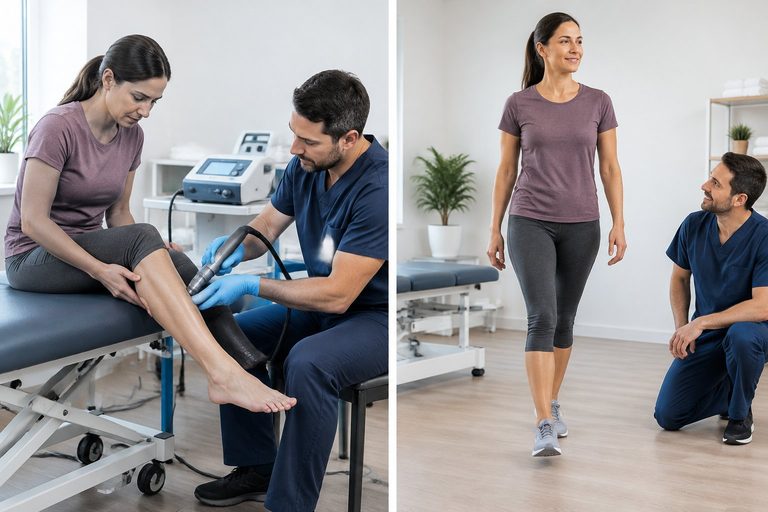
Non-surgical care works by taking pressure off the affected nerve and restoring normal motion to the joints around the disc. This is the foundation of chiropractic care for a bulging or herniated disc, and it addresses the mechanical cause rather than just the pain signal.
Most disc conditions respond well to a combination of hands-on treatment, targeted decompression, and structured movement work, consistent with a 2024 review of non-surgical approaches to managing lumbar disc herniation with radiculopathy.
Hands-On Chiropractic Adjustments for Restricted Spinal Joints
Chiropractic adjustments target the joints above and below the affected disc that have lost normal motion. When one segment of your spine stops moving properly, the discs and joints nearby often take on extra strain.
For a patient with low back pain radiating into the leg, an adjustment aimed at restoring motion in the lumbar spine can reduce the mechanical load pressing into the irritated nerve root. For neck-related arm pain, gentle cervical adjustments work to restore joint motion without forcing movement through an already inflamed area.
This is not a one-size-fits-all treatment. The joints selected for adjustment depend entirely on where your restriction is and how your specific symptoms present.
How Spinal Decompression May Support Disc-Related Pain Relief
Spinal decompression gently stretches the spine to create space around a compressed disc and reduce pressure on the nerve. A 2022 clinical study on nonsurgical spinal decompression therapy found measurable reductions in pain and herniated disc volume after a course of treatment, supporting its use as a non-surgical option for herniated and degenerated discs.
For a patient with sciatica, decompression aims to relieve crowding around the nerve root that causes leg pain. For a patient with neck-related arm symptoms, cervical decompression targets the same crowding effect higher up the spine.
Decompression is not a stand-alone fix. It works best layered into a broader plan that also restores joint motion and builds supporting strength around the spine.
Movement, Posture, and Strengthening That Help Protect the Spine
Targeted exercise and posture correction reduce the daily strain that keeps reloading a stressed disc. Weak core and hip muscles force your spine to absorb more load than it should, which slows healing and raises the odds of a repeat flare-up.
A plan built around your specific presentation might include:
- Core stabilization work to reduce shear force on the lumbar discs
- Hip mobility drills to take pressure off the low back during daily movement
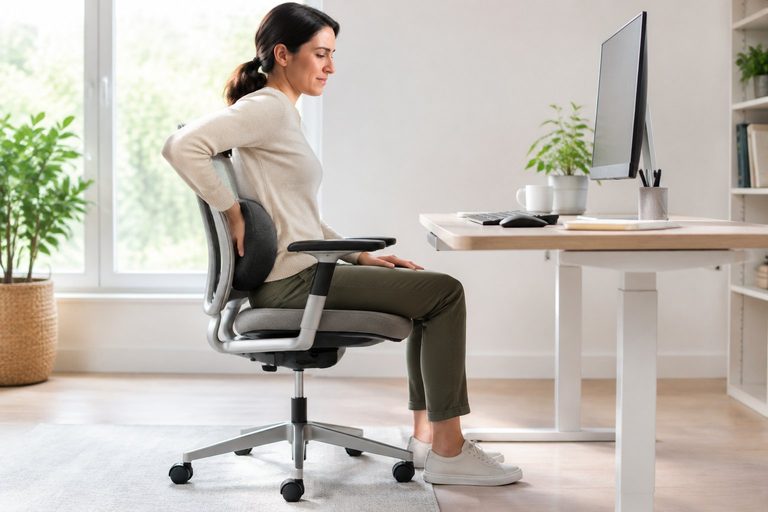
- Postural retraining for anyone whose desk setup adds constant forward strain on the neck
- Gentle nerve gliding movements to help reduce tension along an irritated nerve pathway
None of this replaces the hands-on work. It protects the progress that adjustments and decompression create, which is exactly why an evaluation matters before jumping to any single therapy.
What to Expect From a Personalized Disc Evaluation in Lone Tree
A proper evaluation starts with finding exactly where your pain is coming from, not just treating the area that hurts. This distinction matters because pain location and pain source are not always the same place.
A thorough exam looks at your posture, spinal motion, reflexes, and how your symptoms change with specific movements. This hands-on assessment is standard in conservative spine care.
Finding the Source of Pain Before Starting Care
Before starting any treatment, your provider needs to know which spinal level is involved and how severely the nerve is affected. Orthopedic and neurological tests during the exam help pinpoint this by checking reflexes, strength, and sensation in patterns tied to each nerve level.
Numbness on the outside of the foot points to a different nerve level than numbness on the top of the foot. This level of detail determines which joints to adjust and which decompression angle to use.
When Imaging, Medical Evaluation, or Surgical Referral Is Needed
Most bulging and herniated discs respond to conservative care, but some symptoms require a referral for imaging or a surgical consultation. Red flags include progressive weakness, loss of bladder or bowel control, or pain that keeps worsening despite weeks of appropriate care.
A responsible provider tells you honestly when your case falls outside what conservative care alone can resolve, and helps coordinate that next step, whether that means imaging, a specialist referral, or continued conservative treatment, rather than leaving you to figure it out.
Choosing a Plan That Helps You Move With Less Pain
The right plan matches your specific disc problem, not a generic back pain protocol. A patient with sciatica down one leg needs a different care sequence than a patient with neck stiffness and hand tingling, even though both may involve a bulging disc.
A well-built plan usually moves through phases. Early visits focus on calming inflammation and relieving acute nerve pressure. As pain settles, the focus shifts toward restoring full range of motion and rebuilding the strength that protects the disc long term.
Ask any provider you’re considering these questions before starting care:
- Will my plan be adjusted based on how my symptoms respond week to week?
- Does the plan include both hands-on treatment and strengthening work?
- What specific signs would prompt a referral for imaging or a specialist?
- How will we track whether the nerve pressure is actually improving?
A plan built around 16-plus years of hands-on chiropractic experience looks less like a fixed script and more like a strategy that shifts as your body responds. That kind of adjustment happens only when your provider tracks your progress closely, visit to visit, rather than running you through the same routine regardless of how you’re doing.
A bulging disc does not mean your only choices are living with pain or scheduling surgery. Conservative care built around your specific symptoms, whether that’s sciatica down your leg or tingling into your hand, can relieve nerve pressure and restore the movement you’ve lost.
Getting an accurate picture of what’s happening in your spine is the step most people skip, often masking symptoms with medication instead of addressing the underlying mechanical cause. That gap between managing pain and actually resolving it is where a real evaluation makes the difference.
If your back or neck pain has settled in and stopped responding to rest, request an appointment with Metro Acute Chiropractic and get an evaluation built around your specific disc symptoms, not a generic back pain script.
Frequently Asked Questions
Can a bulging disc heal without surgery?
Many bulging discs improve with conservative, non-surgical care, especially when treatment starts early and addresses the underlying joint and muscle imbalances. Surgery is typically reserved for cases with severe or progressive nerve damage that doesn’t respond to weeks of appropriate conservative treatment.
Can chiropractic care help a bulging disc in the lower back?
Chiropractic adjustments can relieve pressure on the affected nerve by restoring motion to restricted joints near the bulging disc. When paired with decompression and targeted strengthening, this approach often reduces pain and improves mobility for lower back disc problems.
What does spinal decompression feel like for a bulging disc?
Most patients describe spinal decompression as a gentle stretching sensation rather than pain, since the therapy is designed to create space around the disc, not force movement. Some feel mild relief during the session, while others notice improvement over several visits.
How long does non-surgical care for a bulging disc usually take?
Timelines vary depending on how long you’ve had symptoms and how much nerve involvement is present, but many patients notice meaningful change within four to six weeks of consistent care. More chronic or severe cases can take longer, especially when significant muscle weakness or long-standing postural issues are involved.
When should I seek urgent care for bulging disc symptoms?
Seek immediate medical attention if you experience loss of bladder or bowel control, rapidly worsening leg or arm weakness, or numbness in the groin area. These symptoms can signal a more serious nerve compression that needs urgent medical evaluation, not conservative care alone.