If you’re dealing with hand pain, numbness, or a grip that keeps failing you, we understand how disruptive and frustrating these symptoms can be. Here at Metro Acute Chiropractic in Lone Tree, CO, our team sees firsthand how carpal tunnel syndrome can impact daily life.
Carpal tunnel syndrome (CTS) is one of the most common nerve conditions in the United States. The good news is that many people find meaningful relief without surgery. Whether your symptoms are mild or have been building for months, knowing your options is the first step toward getting your hand and wrist function back.
Carpal tunnel syndrome happens when the median nerve, which runs through a narrow passage in your wrist called the carpal tunnel, gets compressed. That pressure leads to the tingling, numbness, and weakness so many people notice in their thumb, index, and middle fingers. Left unaddressed, CTS can worsen over time and affect your ability to work, sleep, and handle everyday tasks.
At Metro Acute Chiropractic in Lone Tree, we have spent over 16 years helping patients across the south Denver metro find root-cause relief from nerve-related hand and wrist symptoms. This article walks you through what CTS is, how it is diagnosed, and the full range of carpal tunnel treatment options available in Lone Tree, CO.
Please note that this article is general information, not medical advice. A proper evaluation is always the right starting point.
How Carpal Tunnel Affects Your Hand and Wrist
The carpal tunnel is a narrow channel formed by your wrist bones on three sides and a tough band of tissue called the transverse carpal ligament on top. When anything increases pressure inside that space, the median nerve pays the price. Because that nerve controls sensation and some movement in a specific region of the hand, CTS produces a very recognizable pattern of symptoms.
What Happens When the Median Nerve Is Compressed
The median nerve travels from your neck, down your arm, through the carpal tunnel, and into your hand. When it gets compressed at the wrist, the nerve cannot send signals normally. You may lose sensation in parts of your hand, or signals may become distorted, which is what causes the tingling and burning feelings that are so typical with CTS.
In normal hand anatomy, the carpal tunnel has just enough room for the median nerve and the tendons that help you bend your fingers. Any swelling, inflammation, or structural change that reduces that space puts pressure on the nerve. Over time, ongoing compression can lead to changes in the nerve itself, which is why early attention matters.
Common Symptoms Like Numbness, Tingling, and Weak Grip
CTS symptoms tend to show up in a predictable pattern along the path of the median nerve:
• Numbness or tingling in the thumb, index finger, middle finger, and part of the ring finger
• Burning or itching in the palm of the hand
• Weak grip, making it hard to hold objects or open jars
• A feeling of swelling in the hand even when no visible swelling is present
• Dropping things unexpectedly
Many people describe the sensation as feeling like their hand has “fallen asleep.” In more advanced cases, muscle wasting near the base of the thumb can develop.
Why Symptoms Often Worsen at Night or With Repetitive Use
Two situations reliably make CTS symptoms flare: sleeping and repetitive hand activity. At night, many people sleep with their wrists bent, which narrows the carpal tunnel further and increases pressure on the median nerve. This is why waking up with numb, tingling hands is one of the most common complaints people with CTS report.
During the day, activities that require repetitive gripping, flexing, or extending the wrist, such as typing, using tools, or driving for long stretches, can also aggravate symptoms. Fluid pressure inside the tunnel tends to rise during sustained wrist positions, which turns up the pressure on an already-irritated nerve.
Common Causes and Risk Factors
No single cause is responsible for all cases of carpal tunnel syndrome. CTS typically develops when one or more factors combine to reduce space or increase pressure inside the carpal tunnel. Some causes are occupational, some are health-related, and some stem from a past injury.
Repetitive Work, Gripping, and Vibration Exposure
The most common occupational risk involves using your hands in the same way, day after day. Jobs that require repeated gripping or pinching, sustained or awkward wrist positions, or regular use of vibrating tools or machinery all put cumulative stress on the wrist and the tissues around the median nerve. Assembly line workers, carpenters, musicians, and people who type for hours daily are among those most commonly affected.
This kind of repetitive load causes inflammation in the tendons running through the carpal tunnel, leaving less room for the nerve.
Pregnancy, Inflammation, and Underlying Health Conditions
Several health conditions raise the risk of CTS by increasing fluid retention or causing inflammation throughout the body. These include:
• Pregnancy, which causes systemic fluid retention that can compress the median nerve
• Thyroid disorders, especially hypothyroidism
• Diabetes, which can affect nerve health directly
• Rheumatoid arthritis and other inflammatory conditions that cause tenosynovitis (inflammation of the tendon sheaths inside the carpal tunnel)
• Obesity, which is associated with higher rates of CTS
When CTS develops without an obvious occupational trigger, an underlying health condition is often involved. Getting a thorough evaluation helps identify and address the root cause.
Past Injury Such as a Wrist Fracture or Sprain
A prior wrist fracture or significant wrist sprain can change the anatomy of the carpal tunnel even after the bone has healed. If the bones heal in a slightly altered position, the tunnel itself can become narrower. Scar tissue from a past injury can also build up and press on the median nerve over time. This is one reason CTS sometimes appears months or even years after a wrist injury.
If you have a history of wrist trauma and are now noticing hand numbness or weakness, that connection is worth discussing with a provider during your evaluation.
Getting the Right Diagnosis in Lone Tree
Reaching the right diagnosis is essential before starting any treatment. Several other conditions can produce hand numbness, tingling, or grip weakness that looks very similar to CTS on the surface. A thorough evaluation helps confirm whether the median nerve at the wrist is truly the source, or whether something else is going on.
Conditions That Can Mimic Carpal Tunnel
Not all hand tingling and numbness is CTS. A few conditions that can produce overlapping symptoms include:
• Trigger finger: causes a finger to catch or lock when bent, occasionally accompanied by pain that can be confused with CTS
• De Quervain’s tenosynovitis: inflammation of the tendons at the base of the thumb, causing pain and swelling on the thumb side of the wrist
• Dupuytren’s contracture: a thickening of tissue in the palm that can cause the fingers to bend inward, sometimes accompanied by discomfort
Identifying which condition is actually present changes the treatment plan significantly. A careful physical examination, including specific orthopedic tests for the wrist and hand, goes a long way toward making that distinction accurately.
When Neck Problems or Pinched Nerves Add to Symptoms
Sometimes what appears to be CTS actually involves a nerve being compressed further up the chain, such as in the cervical spine. A pinched nerve in the neck can send pain, numbness, or tingling all the way down into the hand along a path that looks similar to CTS.
Occasionally, both a cervical issue and true CTS are present at the same time, a situation sometimes called “double crush syndrome.” Headaches, neck stiffness, or shoulder pain alongside your hand symptoms are clues that the cervical spine may be involved. Chiropractors are trained to evaluate the spine and the peripheral nerve pathways together, which makes this kind of broader assessment a real advantage when hand symptoms are the complaint.
When to Seek Prompt Evaluation for Progressive Weakness
Most CTS cases develop gradually, but certain signs suggest you should not wait to be evaluated:
• Rapid worsening of weakness in the hand or thumb
• Visible muscle loss near the base of the thumb (thenar atrophy)
• Numbness that is constant rather than intermittent
• Difficulty with fine motor tasks that is getting noticeably worse week to week
Progressive nerve compression can lead to permanent damage if left unaddressed. If any of these signs apply to your situation, seeking a professional evaluation sooner rather than later gives you more treatment options and a better chance at full recovery.
Conservative Care Options Before Surgery
For mild to moderate CTS, conservative care is the right starting point and should be tried before considering surgical intervention. Many patients find that a combination of approaches, rather than any single treatment, produces the best results for carpal tunnel treatment in Lone Tree, CO.
Bracing, Activity Changes, and Home Care Basics
Simple changes at home and at work can meaningfully reduce pressure on the median nerve:
• Wrist splinting at night keeps the wrist in a neutral position while you sleep, preventing the flexion that worsens symptoms overnight
• Ergonomic adjustments to your workstation, keyboard height, or tool grip can reduce repetitive strain during the day
• Frequent breaks during tasks that require sustained wrist positions give the tunnel a chance to decompress
• Ice or cold packs applied to the wrist for short periods may help manage inflammation during a flare
These measures are not cures on their own, but they are important tools that support other treatments and can prevent symptoms from getting worse while you pursue more targeted care.
How Chiropractors May Support Wrist and Nerve-Related Symptoms
Chiropractors take a whole-body approach to wrist and nerve symptoms. Beyond treating the wrist itself, chiropractic care looks at whether dysfunction in the cervical spine or the joints of the elbow and shoulder may be contributing to nerve irritation along the median nerve’s path.
Specific care that our team at Metro Acute Chiropractic may include:
• Wrist and hand joint mobilization to restore proper alignment and movement
• Cervical spine adjustments when neck involvement is identified
• Myofascial release to address tight soft tissue around the forearm and wrist
• Stretching and strengthening exercises to support long-term wrist function
• Kinesio taping to reduce strain during activity
This approach addresses contributing factors rather than only managing symptoms, which is central to finding lasting relief.
Where Acupuncture, Physiotherapy, and Soft Tissue Care May Help
Acupuncture is one of the more studied conservative options for CTS. It may help reduce pain and improve nerve function by influencing circulation and reducing local inflammation around the wrist. Many patients find it a useful complement to chiropractic and exercise-based care.
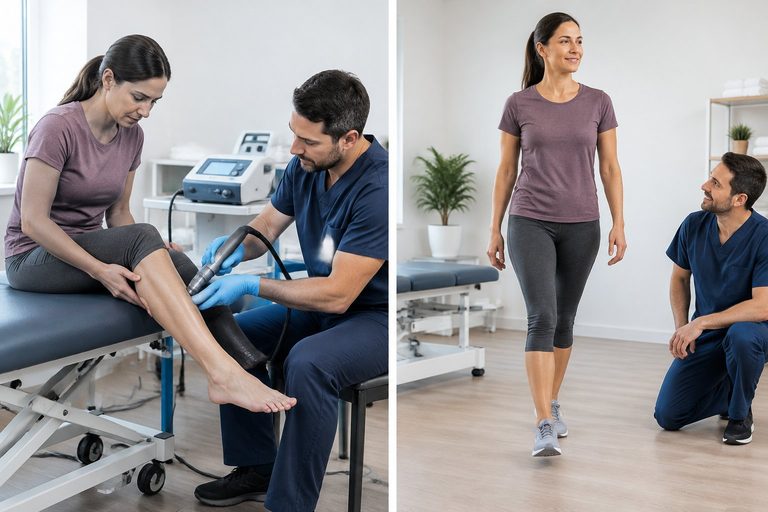
Physiotherapy modalities such as ultrasound therapy, electrical stimulation, and traction may also be used to reduce inflammation and support nerve recovery. Soft tissue techniques, including massage therapy and targeted myofascial work, can reduce tension in the muscles and fascia of the forearm that contribute to tunnel compression.
Metro Acute Chiropractic offers all of these services at our Lone Tree clinic, located at 9898 Rosemont Ave, Suite 101, Lone Tree, CO 80124. To get a personalized plan started, call us at (303) 221-3342 or request an appointment at metroacutechiro.com/appointments.
When Specialist Care or Surgery May Be Needed
Conservative care is effective for many CTS cases, but it is not the right path for everyone. Knowing when to move toward specialist evaluation or surgical consultation is important so you do not lose valuable time if your case is more severe. Carpal tunnel syndrome is a progressive condition, and delays in appropriate care can lead to lasting nerve damage.
Signs Conservative Care May Not Be Enough
Consider seeking specialist evaluation if you experience any of the following after an adequate trial of conservative treatment:
• Symptoms that are not improving after 8 to 12 weeks of consistent care
• Constant numbness that is no longer intermittent
• Significant hand weakness that is getting worse
• Muscle wasting at the base of the thumb
• Inability to perform basic daily tasks due to loss of hand function
These signs suggest the nerve may be under enough sustained pressure that non-surgical options are unlikely to provide sufficient relief on their own.
What to Know About Carpal Tunnel Release
Carpal tunnel release is a common surgical procedure that involves cutting the transverse carpal ligament to relieve pressure on the median nerve. It can be performed as an open procedure or endoscopically, with the endoscopic approach generally offering a faster recovery.
Most people experience significant improvement in numbness and tingling after surgery, though recovery of grip strength and any muscle wasting may take longer. Surgery is generally considered when conservative care has not provided adequate relief and nerve conduction studies confirm significant median nerve compression.
Other Wrist Procedures in More Complex Cases
In some patients, CTS occurs alongside other wrist conditions that require separate attention. Procedures such as arthroscopic wrist surgery may be used to address joint problems, remove inflamed tissue, or treat other sources of wrist pain that coexist with carpal tunnel syndrome.
In rare cases involving significant joint damage, wrist joint replacement may be considered, though this is not a standard treatment for CTS itself. If your case involves multiple wrist conditions, an orthopedic hand surgeon familiar with the full range of wrist procedures is the right specialist to consult.
What to Expect at Metro Acute Chiropractic
Getting care at Metro Acute Chiropractic means working with a team that listens to your full story before making any recommendations. We have served Lone Tree and the surrounding south Denver metro for over 16 years, helping thousands of patients find drug-free, non-surgical relief from conditions including CTS, back and neck pain, sciatica, headaches, and more.
Our Root-Cause Approach to Wrist and Nerve Symptoms
Here at Metro Acute Chiropractic, we understand how frustrating and disruptive wrist and hand pain can be for your daily life. Whether it’s numbness, tingling, or aching, these symptoms can make even simple tasks feel overwhelming.
Our goal is not just to manage your pain and send you on your way. We focus on discovering why that nerve is being compressed and addressing those contributing factors directly. This may include evaluating your cervical spine for dysfunction. We may also assess your forearm soft tissue or review your work habits and ergonomics. Sometimes, we recommend a diagnostic ultrasound to get a clearer picture of what is happening at the wrist. Every step we take is tailored to your unique situation.
Our services that may be part of a comprehensive carpal tunnel syndrome (CTS) care plan include:
• Chiropractic adjustments (spinal and extremity)
• Acupuncture
• Massage therapy and myofascial release
• Physiotherapy modalities
• Corrective exercises and stretching programs
• Kinesio taping
• Custom orthotics where relevant
• Nutritional consultations to support inflammation management
We always provide an honest picture of what conservative care can and cannot do for your specific case. Your comfort and understanding are our top priorities.
Serving Lone Tree and the South Denver Metro
Our clinic is located at 9898 Rosemont Ave, Suite 101, Lone Tree, CO 80124. This makes us easily accessible for patients throughout the south Denver metro area. We regularly welcome patients from Highlands Ranch, Parker, Centennial, Castle Pines, Castle Rock, Englewood, and the Denver Tech Center. Our Lone Tree location is just a short drive from each of these communities.
If you are coming from any of these nearby areas, you do not need to travel far to access experienced, comprehensive chiropractic and acupuncture care. We are proud to serve our neighbors with compassionate, effective solutions.
Next Steps to Request an Appointment
We know that taking the first step toward relief can feel daunting. Our team is here to make the process as smooth as possible. Call us at (303) 221-3342 to speak with our friendly front desk staff and schedule your initial appointment. You can also book directly online at metroacutechiro.com/appointments.
At your first visit, you will receive a thorough evaluation so we understand your symptoms, their history, and what may be driving them. From there, we build a personalized care plan designed around your goals and your daily life.
Frequently Asked Questions
What are the most effective non-surgical treatments for carpal tunnel syndrome?
Nighttime wrist splinting, ergonomic changes, chiropractic wrist and spinal care, acupuncture, and physiotherapy are among the most commonly recommended conservative approaches for CTS. Many patients find the best results by combining several of these rather than relying on one alone.
How do I know if my wrist and hand symptoms are carpal tunnel or something else?
The classic CTS pattern involves numbness and tingling in the thumb, index, and middle fingers, especially at night or with repetitive activity. Conditions like de Quervain’s tenosynovitis, trigger finger, or a pinched nerve in the neck can produce similar symptoms but require different treatment. A professional evaluation with specific orthopedic testing is the most reliable way to reach an accurate diagnosis.
When is it too late to reverse carpal tunnel syndrome?
Early and moderate CTS responds well to conservative care in many cases. If severe muscle wasting near the base of the thumb has developed or nerve conduction studies show significant nerve damage, conservative care alone may not be sufficient and surgical consultation is worth pursuing. The sooner you seek an evaluation, the more options you typically have.
How long does it typically take for symptoms to improve with conservative treatment?
Many patients notice some improvement within a few weeks of starting consistent conservative care. A full course of treatment often spans 8 to 12 weeks. The timeline depends on how long symptoms have been present, the severity of nerve involvement, and how consistently the care plan is followed.
What does a nerve conduction study or EMG show, and do I need one before treatment?
A nerve conduction study measures how quickly electrical signals travel through the median nerve and can confirm whether nerve compression is present and how severe it is. An EMG assesses the electrical activity of the muscles supplied by that nerve. These tests are not always required before starting conservative care, but they can be very helpful when the diagnosis is unclear or when symptoms are severe.
When should I consider carpal tunnel surgery, and what is the recovery time?
We understand how frustrating and limiting carpal tunnel pain can be, especially when it interferes with your daily activities. If you’ve been dealing with persistent symptoms despite trying conservative care, you may be wondering about your next steps. Here at Metro Acute Chiropractic, we typically consider surgery when several months of non-surgical treatments haven’t brought enough relief. In some cases, if symptoms are severe from the start, surgery may be recommended sooner.
Carpal tunnel release is a relatively quick procedure. Most people notice improvement in tingling and numbness within a few weeks. It’s important to know that full grip strength may take several months to return. Our team can help guide you through your options and refer you to a trusted orthopedic hand surgeon if surgery becomes the right choice for your situation.