If you’re experiencing pain, stiffness, or discomfort after a car accident in Highlands Ranch, we understand how overwhelming and uncertain this time can feel. Here at Metro Acute Chiropractic, our team is here to support you as you navigate your recovery and get back to feeling like yourself.
If you live or work in Highlands Ranch and you’ve recently been in a collision, finding the right car accident chiropractor in Highlands Ranch CO is one of the most important steps you can take for your recovery.
The roads around Highlands Ranch, including C-470, Broadway, and the University Boulevard corridor, see thousands of vehicles every day. Rear-end crashes, side-impact collisions, and intersection accidents happen regularly, and the injuries they cause are not always obvious right away.
Here at Metro Acute Chiropractic, we have spent over 16 years helping patients across the south Denver metro recover from auto accident injuries using drug-free, non-surgical care. Our office is located at 9898 Rosemont Ave in Lone Tree, just a short drive from Highlands Ranch, and we welcome patients from the surrounding communities every day.
This article is for general information purposes only and is not a substitute for professional medical advice or diagnosis.
When To Get Checked After A Crash
The timing of your evaluation matters a great deal after a car accident. Reduced range of motion and spinal misalignment are two of the most common findings after a collision, and both can worsen if left untreated.
Acting quickly gives your body the best chance at a full recovery.
Why Symptoms Often Show Up Hours Or Days Later
Your body releases adrenaline during a crash, which can mask pain for hours or even days after the impact. Many people feel fine immediately after an accident and assume they were not seriously injured.
Then, 24 to 72 hours later, stiffness, neck pain, or headaches begin to appear. This delayed onset is common with soft-tissue injuries like whiplash.
The muscles, ligaments, and tendons in your spine absorb enormous force during even a low-speed collision. That damage does not always announce itself right away.
Waiting until symptoms become severe can allow inflammation to set in and make recovery longer and more difficult.
Warning Signs You Should Not Ignore
Some symptoms after a crash should prompt you to seek care right away. These include:
• Neck stiffness or soreness, especially the morning after the accident
• Headaches that start at the base of the skull
• Pain, tingling, or numbness in the arms or hands
• Dizziness or difficulty focusing your eyes when turning your head
• Upper back or shoulder tension that does not ease with rest
• Unusual fatigue or trouble sleeping
Even symptoms that seem minor are worth having evaluated. A professional exam can identify spinal misalignment or soft-tissue damage that would not show up on your own.
Why Early Documentation Matters
In Colorado, seeking treatment promptly after your accident helps preserve your medical payments (Med Pay) insurance benefits. Delaying care can give insurers reason to question coverage, even if your injuries are real and documented later.
Getting evaluated early also creates a clear medical record linking your symptoms to the accident. This documentation supports your insurance claim and protects you if you need to pursue further action later.
Our team at Metro Acute Chiropractic can often see accident patients on short notice, so do not wait to call.
How A Chiropractor Evaluates Accident-Related Pain
A thorough first evaluation sets the foundation for effective recovery. Evidence-based chiropractic care starts with understanding your specific injury before any treatment begins.
A detailed exam helps identify what structures were affected and guides every decision that follows.
What We Look For During The First Visit
At your first visit, our team reviews the details of your accident, including the direction of impact, vehicle speed, and how your body moved during the crash.
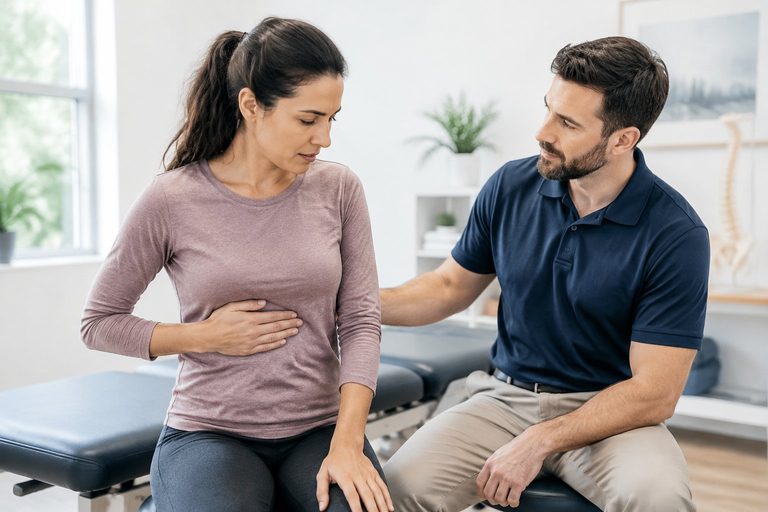
We perform a physical exam that checks your posture, spinal alignment, and range of motion in your neck, mid-back, and lower back.
We also assess muscle tension, tenderness points, and any neurological signs such as numbness or weakness in your limbs. This gives us a clear picture of which structures were stressed or damaged and helps us build a care plan that fits your actual injuries, not a generic protocol.
Common Injuries After Rear-End And Side-Impact Collisions
Rear-end and side-impact crashes are among the most common collision types in the Highlands Ranch area. The injuries they cause most often include:
• Whiplash (cervical strain or sprain from rapid head movement)
• Disc injuries, including bulging or herniated discs in the neck or low back
• Facet joint sprains in the cervical or lumbar spine
• Muscle strains in the upper back, shoulders, and chest
• Lumbar injuries from bracing against the seat or steering wheel during impact
Side-impact crashes can also cause rib and thoracic injuries that limit breathing and movement. Our team is trained to assess all of these injury patterns.
When Imaging Or Medical Referral May Be Needed
Chiropractic evaluation does not always replace the need for imaging or other medical care. If your exam findings suggest a possible fracture, significant disc herniation, nerve compression, or concussion, we will refer you for X-rays, an MRI, or evaluation by an appropriate specialist.
We have working relationships with imaging centers and medical providers in the south Denver metro, including resources near Lone Tree and Highlands Ranch. Your safety always comes first.
Treatment Options That May Help You Recover
Recovery from an auto accident usually requires more than one type of care. Chiropractic adjustments, spinal decompression, and myofascial release are among the tools that may support healing, reduce pain, and restore mobility after a collision.
The right combination depends on your specific injuries and how your body responds to treatment.
Chiropractic Adjustments For Joint And Spine Motion
Chiropractic adjustments, also called spinal adjustments, are targeted, controlled movements applied to specific joints in the spine or extremities. After a crash, vertebrae can shift out of their normal position due to the force of impact.
This spinal misalignment can create pressure on nearby nerves, restrict movement, and trigger muscle guarding. Spinal adjustment aims to restore proper joint motion and reduce nerve irritation.
Many patients notice reduced stiffness and improved range of motion after their first few sessions. Results vary depending on the severity of the injury, but gentle and precise adjustments are typically well tolerated even in the early stages of care.
At Metro Acute Chiropractic, our adjustments are manual and intentional. We adjust our technique based on your comfort level, injury type, and stage of healing.
Soft Tissue Care For Muscle Tension And Scar Tissue
Muscles, tendons, and ligaments take a significant hit during a collision, and they often need direct treatment alongside spinal care. Myofascial release is a hands-on technique that targets tight bands of connective tissue that form after injury.
When these tissues tighten, they restrict movement and can cause ongoing pain. We also use trigger point therapy and instrument-assisted soft tissue techniques to address deep muscle tension and early scar tissue formation.
Massage therapy can complement these approaches by improving circulation and reducing overall muscle guarding. Treating soft tissue early, before scar tissue matures and hardens, is one of the most effective ways to prevent long-term stiffness and chronic discomfort after a car accident injury.
Rehab Therapies To Support Strength And Mobility
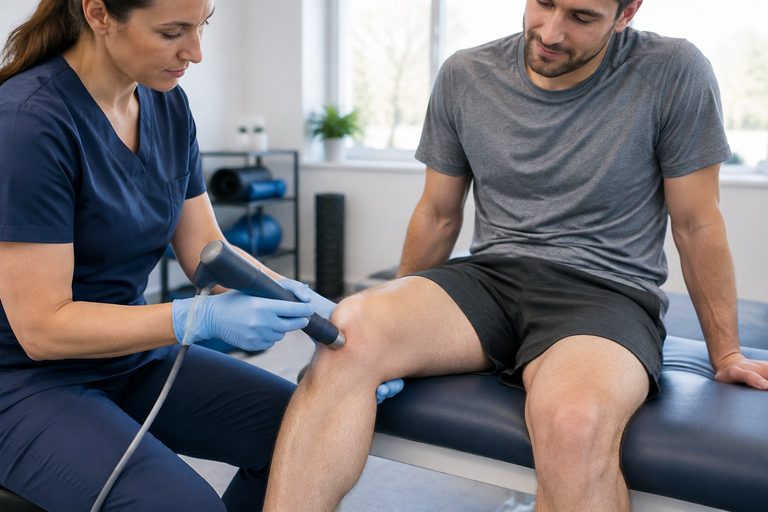
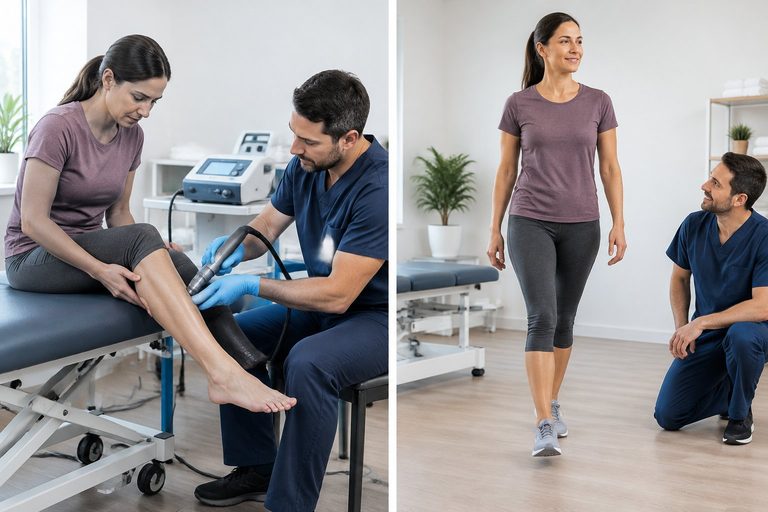
Restoring motion is important, but so is rebuilding the strength and stability that protects your spine from re-injury. Our rehab approach includes corrective exercises, stretching and strengthening protocols, and physiotherapy modalities such as therapeutic ultrasound or electrical stimulation when appropriate.
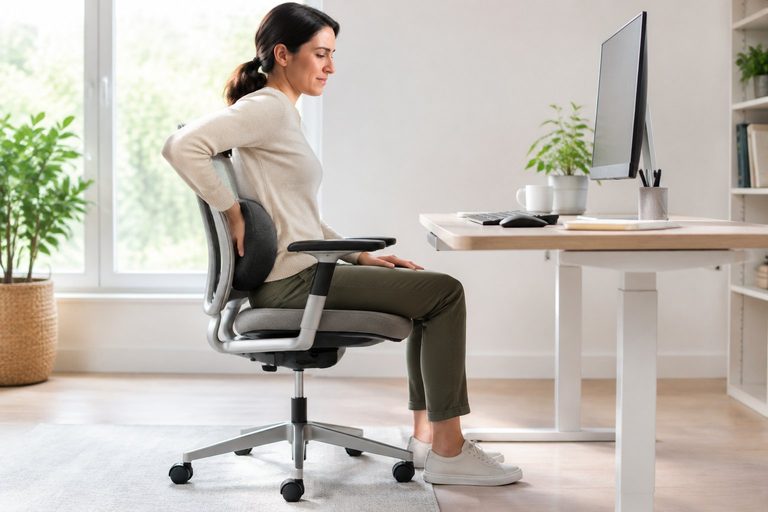
Kinesio taping may be used to support injured areas and encourage proper movement patterns during daily activity. As your pain decreases and function improves, we progress your exercises to prepare your body for the physical demands of your regular life, whether that means sitting at a desk, commuting on C-470, or staying active in the community.
Why Highlands Ranch Patients Choose Nearby Care In Lone Tree
Highlands Ranch patients need a provider who understands both the injury patterns common to this area and the insurance landscape that follows a Colorado accident. Metro Acute Chiropractic in Lone Tree offers over 16 years of experience treating auto accident injuries for patients across the south Denver metro.
A Short Drive From Highlands Ranch To Metro Acute Chiropractic
Our office at 9898 Rosemont Ave in Lone Tree is just minutes from Highlands Ranch via C-470 or I-25. For patients in neighborhoods like Backcountry, Eastridge, Westridge, or Southridge, the drive is straightforward and typically takes less than 15 minutes.
Proximity matters when you are dealing with pain and need consistent care over several weeks. Being close to home and familiar roads makes it easier to keep appointments and stay on track with your recovery plan.
We are here to make the process as easy as possible for you.
Serving The South Denver Metro With Patient-First Care
Metro Acute Chiropractic serves patients from Highlands Ranch, Parker, Centennial, Castle Pines, Castle Rock, Englewood, and the Denver Tech Center. Our team has helped thousands of patients recover from auto accident injuries using a root-cause approach that avoids unnecessary medications and surgeries.
We handle insurance verification and billing for Med Pay claims so that your focus stays on healing rather than paperwork. You can reach us at (303) 221-3342 or request an appointment online at metroacutechiro.com/appointments.
What To Expect From Our Recovery Approach
From your first visit, our goal is to understand your injuries completely before recommending treatment. We take time with every patient, explain what we find, and build a care plan that is realistic for your schedule and your health goals.
Our approach is collaborative. If your injuries require care beyond what chiropractic can provide, we will coordinate referrals to appropriate specialists.
If you are progressing well, we will advance your treatment to keep pace with your recovery. You will never feel like a number at our clinic.
Questions To Ask Before Choosing Your Provider
Choosing the right chiropractic provider after an accident takes a little research. A few direct questions can quickly help you identify whether a clinic is the right fit for your needs.
Experience With Auto Injury Cases
Ask how many auto accident patients the clinic treats and whether the providers have specific training in collision-related injuries. Auto injuries involve unique forces and injury patterns that differ from typical musculoskeletal complaints.
A provider with strong experience in whiplash, disc injuries, and soft-tissue trauma will approach your case with greater precision.
Questions worth asking:
• How long have you been treating car accident injuries?
• Are you familiar with Colorado’s Med Pay coverage and documentation requirements?
• Do you have experience working with personal injury attorneys if my case requires legal support?
Treatment Philosophy And Care Options
A good auto injury provider should offer more than just spinal adjustments. Ask about soft tissue care, rehabilitation exercises, and whether they use any physiotherapy modalities.
Clinics that combine multiple approaches tend to produce better outcomes for complex accident injuries. Also ask whether the provider focuses on finding the root cause of your pain or primarily on short-term symptom relief.
A root-cause, drug-free approach is more likely to produce lasting results and reduce the risk of chronic pain developing over time.
Scheduling, Follow-Up, And Communication
Recovery from an auto injury often requires multiple visits over several weeks. Ask about appointment availability, wait times, and how the clinic handles urgent needs between scheduled visits.
Clear communication from the front desk and provider team makes a real difference when you are managing pain and paperwork at the same time. Find out how the clinic communicates with you about your progress and whether they provide detailed records for your insurance claim.
Consistent documentation of your treatment and improvement is important for both your health and your claim.
Frequently Asked Questions
Should I see a chiropractor after a car accident even if I feel fine?
Yes, getting evaluated is a smart choice even when you feel no immediate pain. Adrenaline and inflammation can delay symptoms by hours or days, and some injuries like spinal misalignment or soft-tissue damage are not painful at first but worsen without treatment.
What symptoms after a crash suggest whiplash or a soft-tissue injury?
Neck stiffness, headaches starting at the base of the skull, shoulder tension, arm tingling, and dizziness when turning your head are all common signs of whiplash or related soft-tissue injury. These symptoms can appear within hours or up to a few days after the collision.
How soon after an accident should I start chiropractic treatment?
As soon as possible, ideally within 24 to 72 hours. Seeking care promptly helps document your injuries, supports your Med Pay claim, and may reduce inflammation and prevent injuries from becoming chronic.
How many chiropractic visits are typically needed after an auto injury?
The number of visits depends on the severity of your injuries and how quickly your body responds to care. Minor soft-tissue injuries may resolve in 6 to 12 visits, while more complex cases involving disc injuries or nerve involvement may require longer care.
Your provider will reassess your progress and adjust your plan accordingly.
Will chiropractic care help with headaches, neck pain, and back pain after a collision?
Chiropractic care may help reduce headaches, neck pain, and back pain that result from spinal misalignment and soft-tissue injuries after a crash. Many patients find meaningful relief with consistent care, though results vary based on injury type and individual healing.
Will my auto insurance or Med Pay cover chiropractic treatment after a car accident?
We understand that after a car accident, you may be in pain and feeling overwhelmed about your recovery options. It can be stressful to worry about what your insurance will cover while you focus on healing.
In Colorado, medical payments coverage (Med Pay) is automatically included on most auto policies unless you declined it in writing, and it pays for your chiropractic care after an accident no matter who was at fault.
Our team at Metro Acute Chiropractic will verify your coverage before your first visit. We also handle billing directly with your insurer, so you can focus on your recovery.