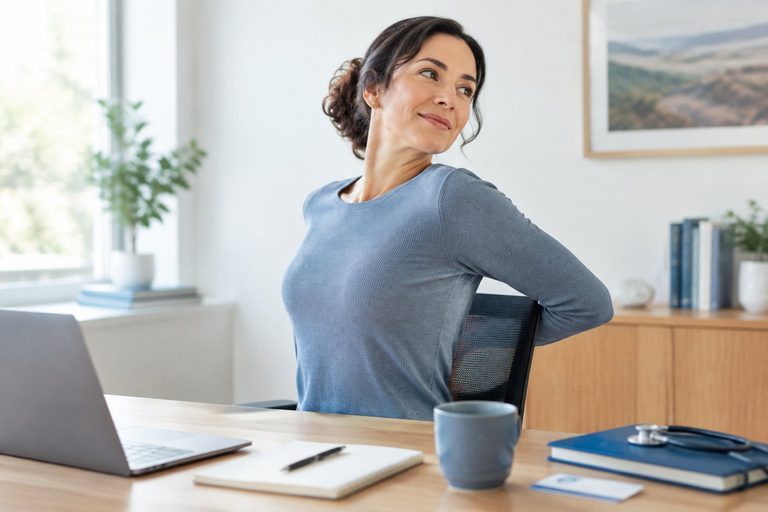
Sacroiliac joint pain, often called SI joint pain, is a deep ache just to one side of the lower spine, near the dimple at the top of the buttock. It comes from one of the two joints linking your spine to your pelvis, and most people find relief with stability exercises, smart activity changes, hands-on care and, in some cases, a pelvic support belt. Pain that shows up when you climb stairs, roll over in bed or stand on one leg is a strong clue this joint is involved.
The SI joint gets missed a lot. Its pain can spread into the hip, groin or back of the thigh, so it is easily mistaken for a disc problem or sciatica. Estimates suggest it drives roughly 15 to 30% of chronic lower back pain, which means plenty of people spend months treating the wrong spot.
What Does SI Joint Pain Feel Like?
How the Joint Works
Each SI joint connects the sacrum, the triangle-shaped bone at the base of your spine, to the large wing of the pelvis. Together with the joint at the front of the pelvis, they form a ring that carries the weight of your upper body into your legs. They barely move, just a few millimeters, held in check by some of the strongest ligaments in your body. When one side moves too much, too little or unevenly, the surrounding ligaments and muscles get irritated.
Telltale Patterns
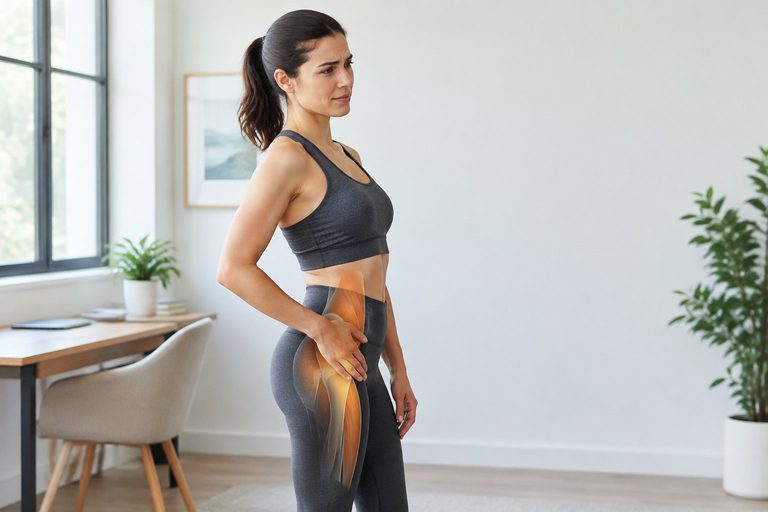
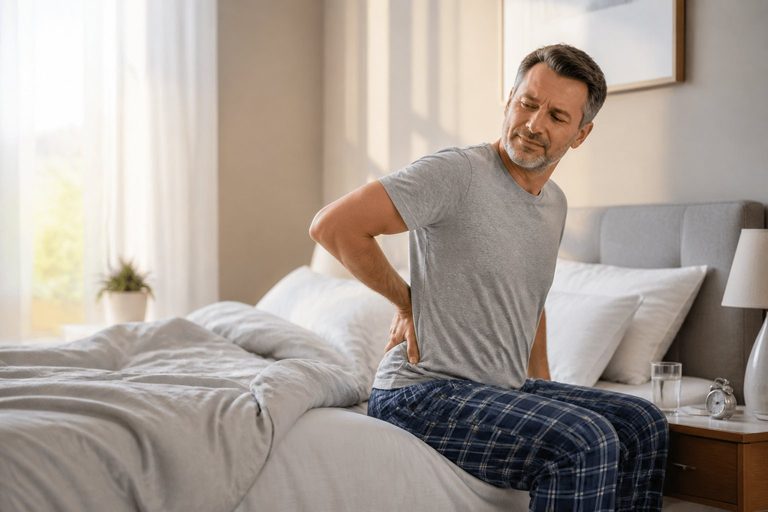
Most people can put one finger on the sore spot, just inside the bony bump at the back of the pelvis. Pain may spread into the buttock, outer hip, groin or back of the thigh. Classic triggers include stairs, getting out of the car, rolling over in bed, lying on the sore side, standing for long periods and shifting weight onto the painful leg, such as balancing on it to pull on your jeans. Long drives and uphill jogs are frequent complaints from patients here in the south Denver metro.
How It Differs From Sciatica and Disc Pain
SI pain rarely travels below the knee and seldom causes true numbness, tingling or weakness. Nerve pain from the lower spine runs in a line down the leg, often into the foot, and feels burning or electric, as described in our guide to the most common symptoms of sciatica. Disc pain sits closer to the middle of the spine and tends to worsen with sitting, bending, coughing or sneezing. Some people have more than one problem at once, which is why a hands-on exam helps.
What Causes It?
- A jolt to the pelvis: slipping on ice, falling while snowboarding, missing a step, a car accident or a heavy lift with a twist.
- Repeated uneven loading: running on banked roads or hills, golf, and sports with lots of single-leg landing, especially with weak glutes or tight hips and hamstrings.
- Pregnancy: hormones loosen the pelvic ligaments, and that looseness can linger after birth.
- Leg length or foot differences: a longer leg or a foot that collapses more on one side tilts the pelvis with every step.
- Arthritis and inflammatory disease: wear in the joint, or conditions like ankylosing spondylitis. Morning pain and stiffness that ease with exercise, especially under age 45, is a pattern worth discussing with your physician.
When to Seek Urgent Care
Get emergency care right away if pain near the SI joint ever comes with bladder or bowel changes, numbness around the groin or inner thighs, or a leg that suddenly gives out. Seek urgent medical care for fever with back pain, pain after a major fall or crash, unexplained weight loss or a history of cancer.
How the Cause Is Identified
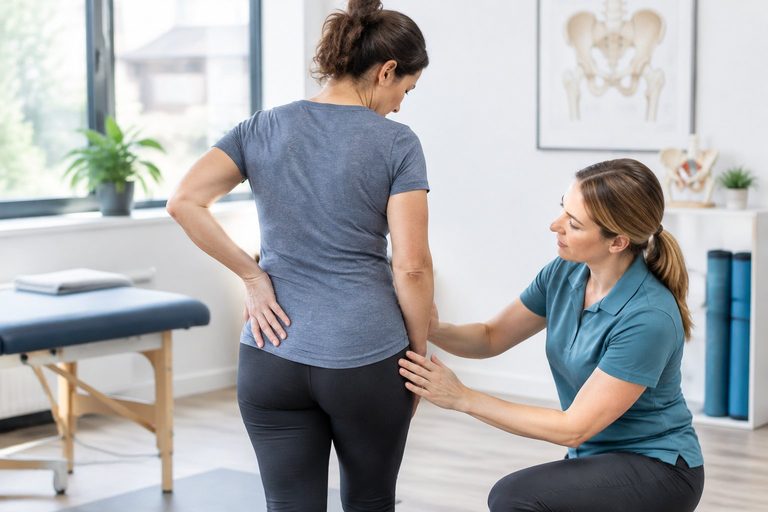
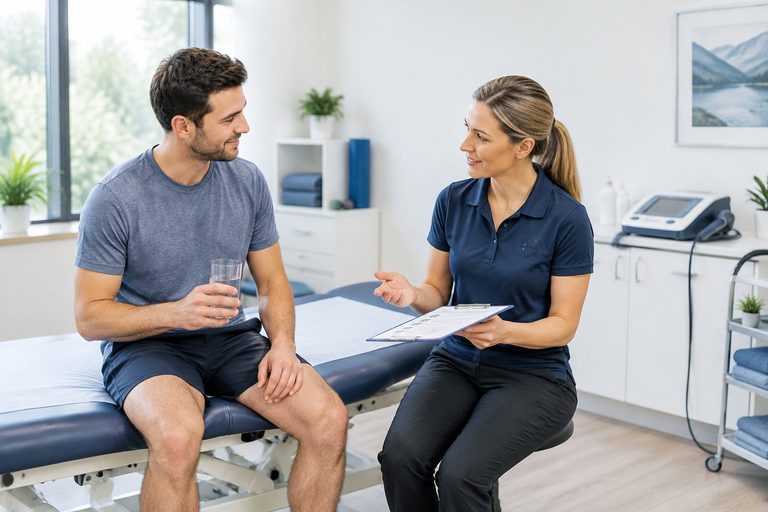
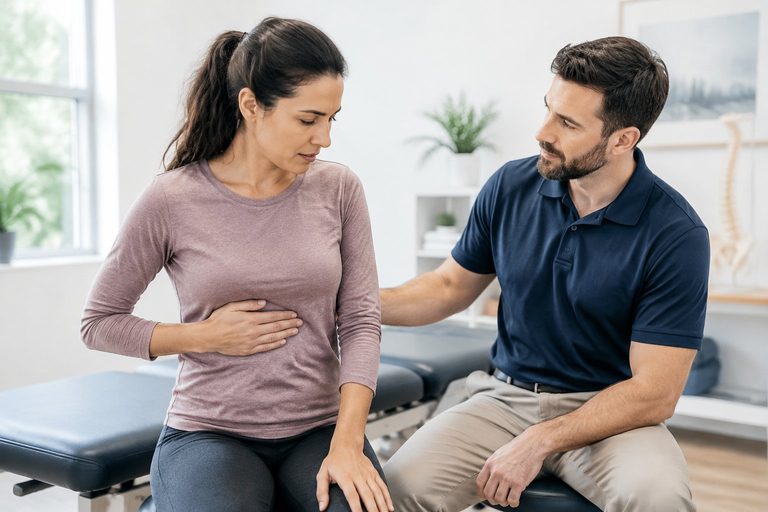
Your story narrows things down fast: how it started, where you point and which movements set it off. In the exam, we check how you walk, pelvic height, hip mobility, glute strength and nerve function, then use a series of provocation tests that stress the joint in specific ways. No single test is decisive, but when several reproduce your familiar pain, SI dysfunction becomes very likely. Imaging is mainly used to rule out other problems.
What Helps?
Daily Habits
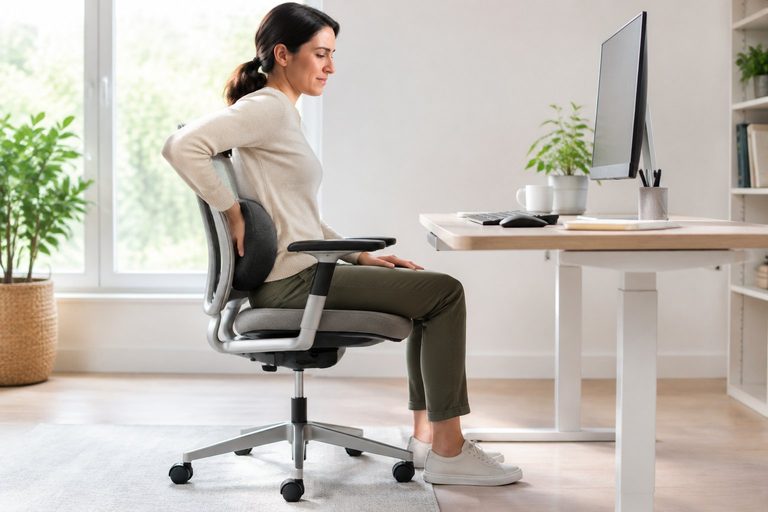
Keep moving but trim what provokes pain. Short walks on flat ground usually beat long ones on hills. Get in and out of the car with knees together, avoid standing with your weight hanging on one hip, and break up long sits every 30 to 45 minutes.
SI Belts
A belt worn snugly just below the bony points at the front of the pelvis helps most when the joint is loose, such as after pregnancy. Wear it during activities that trigger pain and take it off at rest so your own muscles keep working.
Stability Exercises
Start lying on your back, where the pelvis is supported: glute bridges, inner-thigh squeezes with a pillow between the knees, pelvic tilts and gentle outward presses with a band around the knees. Keep every rep pain-free and skip deep lunges and single-leg jumps during a flare. Many people notice change within one to two weeks.
Hands-On Care
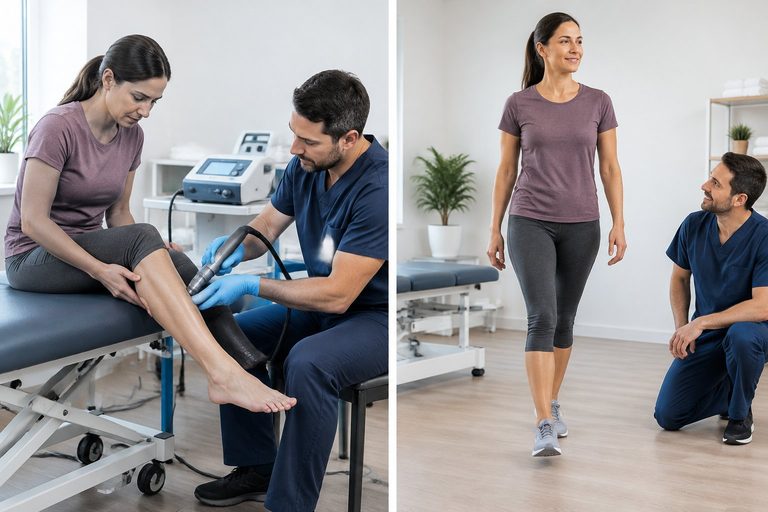
Adjustments and joint mobilization help most when the joint is stiff or moving unevenly, and patients often find stairs and walking easier soon after. Soft tissue work for tight glutes, hip flexors and piriformis supports the change, and the best results come when hands-on care is paired with strengthening. Our back pain care combines both.
Foot Mechanics
If one foot rolls in more or a leg length difference shows up on exam, custom orthotics or a heel lift can even out the load that repeats thousands of times a day.
Pointing to one sore spot beside your tailbone? That is exactly the clue Dr. Jacob Alvis looks for. He will test your SI joint, hips and feet to see what is loading your pelvis unevenly and build a plan that steadies it. Call (303) 221-3342 or request an appointment online.
A small number of people need more than conservative care. In that case, your physician can discuss medication, injections or other procedures while you keep up your rehab.
Getting back to easy stairs, comfortable sleep and pain-free runs is very doable with the right plan. Metro Acute Chiropractic has been part of the Lone Tree community for over 16 years, and Dr. Jacob Alvis builds drug-free plans that first calm a sore SI joint and then make it steadier, whether you live in Parker, Highlands Ranch or right around the corner. Call (303) 221-3342 or request an appointment online.
Frequently Asked Questions
Why does SI joint pain come and go?
It flares when load builds up on one side, then settles as irritated ligaments calm down. Pain that keeps cycling back signals an underlying weakness, stiffness or foot imbalance that still needs correcting.
Can SI joint pain improve without medication?
Yes. Many people improve with stability exercises, smarter daily habits and hands-on care, because those address what is overloading the joint. A pelvic belt can add support in the early weeks if the joint feels loose.
What sleeping position helps?
On your back with a pillow under your knees, or on the pain-free side with a firm pillow between your knees and ankles. Roll over with your knees together to avoid twisting the joint.