If your head has been pounding by mid-afternoon almost every day, you already know the usual fixes aren’t working. You’ve taken the pain reliever, dimmed the screen, maybe even stepped away from your desk for a few minutes. The ache eases for a bit, then creeps back up the back of your skull by the time you’re driving home through the Denver Tech Center traffic.
Many people in this exact spot never think to check their neck. Head pain that starts with stiffness at the base of your skull, worsens when you turn your head, or shows up after long stretches at a desk often traces back to the joints and muscles in your upper cervical spine, not your brain itself.
Metro Acute Chiropractic looks at the whole picture of how your neck, posture, and daily habits connect to the pain in your head, instead of treating the headache as an isolated problem.
In this guide, you’ll discover how to recognize a cervicogenic headache, how it differs from tension headaches and migraines, and what a focused neck evaluation actually involves. As one Lone Tree chiropractor might put it before your first visit: “Let’s find out what your neck is trying to tell you before we do anything else.”
What Does a Cervicogenic Headache Feel Like?
A cervicogenic headache usually starts as a dull ache at the base of your skull and spreads toward one side of your forehead, temple, or behind the eye. The pain often builds slowly rather than hitting all at once, and it tends to stay on the same side of your head each time it happens.
How Upper Neck Joints Refer Pain Into the Head
The top three joints in your neck share nerve pathways with the head, so irritation there can feel like pain up front. When these joints lose normal motion from stiffness, old injury, or prolonged poor posture, they can refer pain into the temple, forehead, or behind one eye, which is why people often mistake this for a migraine.
This referral pattern is called convergence, and it happens because the nerves in your upper neck send signals to the same part of your brainstem that processes pain from your face and head. Your brain sometimes struggles to tell exactly where the signal started, so it interprets neck-based irritation as head pain instead.
- Pain that starts at the base of the skull and moves forward
- Stiffness or tenderness when pressing on the upper neck
- Discomfort that changes with certain neck positions
Signs Your Headache May Be Coming From Your Neck
Your headache is likely tied to your neck if certain movements or positions clearly make it worse or better. Holding your head in one position for a long stretch, like reading on your phone, is a common trigger.
A few other clues point toward a neck-driven headache:
- One-sided pain that starts low and moves up toward the front
- Reduced range of motion when turning or tilting your head
- Pain that worsens with sustained postures, like driving or screen work
- Tenderness you can find and reproduce by pressing on the back of the neck
These signs are useful, but they overlap with other headache types more than most people realize. Sorting out which pattern actually matches your symptoms is the next step worth taking seriously.
Cervicogenic Headaches vs. Tension Headaches and Migraines
Cervicogenic headaches, tension headaches, and migraines can feel similar at first, but each one has a distinct pattern once you know what to look for. Getting this right matters because each has a different treatment approach.
Cervicogenic Headache Patterns
Cervicogenic headaches typically stay on one side of the head and start at the neck before moving forward. Pain often starts in the neck and radiates to the same-side front of the head, sometimes settling behind the eye.
Neck movement is the biggest tell. Turning your head, holding a phone to your ear, or sitting with your neck bent forward for a while can trigger the pain or make it worse. Neck range of motion is usually reduced, and pressing specific spots in the upper neck often reproduces the familiar ache.
Tension Headache Patterns
Tension headaches usually affect both sides of the head at once, wrapping around the forehead, temples, and back of the skull like a tight band. Stress, poor posture, and eye strain are the most common triggers, and the pain tends to feel steady rather than throbbing.
Unlike cervicogenic headaches, tension headaches don’t reliably worsen with specific neck movements. They’re also less likely to stay locked to one side of the head, which can help you tell the two apart when they overlap.
Migraine Symptoms That Need a Different Evaluation
Migraines often come with nausea, sensitivity to light or sound, and visual disturbances that neither tension nor cervicogenic headaches typically produce. Pain location can vary from one episode to the next, and the intensity is usually more severe and throbbing.
Chiropractic adjustments are not a treatment for the neurological triggers behind true migraines. If your headaches come with nausea, visual changes, or sensitivity that neck movement doesn’t seem to influence, that pattern deserves its own evaluation, separate from a neck-focused exam.
Knowing which category fits your headache is only half the picture. The other half is understanding why so many of these patterns are showing up more often in people who spend all day at a desk.
Why Desk Work, Commuting, and Screens Can Trigger Neck-Related Pain
Long hours at a screen put steady, repetitive strain on the same neck joints that refer pain into your head. This is one reason cervicogenic headaches have become more common among people working from home or commuting into the Denver Tech Center for hybrid schedules.
Forward Head Posture and Restricted Cervical Motion
Every inch your head shifts forward from your shoulders adds significant load to the muscles and joints supporting your neck. Over months of sitting this way, the upper cervical joints lose their normal range of motion, and that restriction is exactly what triggers referred pain into the head.
This isn’t a one-day problem. It builds gradually, which is why many people don’t connect their afternoon headaches to the way they’ve been sitting since 8 a.m.
Remote Work Setups and Dual-Monitor Strain
Dual-monitor setups often force your neck into an awkward, rotated position for hours at a time. That prolonged, uneven posture strains the same upper neck joints and muscles described above, producing exactly the kind of referred pain covered earlier in this guide.
A few habits worth checking against your own setup:
- Is your main monitor at eye level, or are you tilting your chin down or up?
- Do you turn your head to one side more than the other during calls?
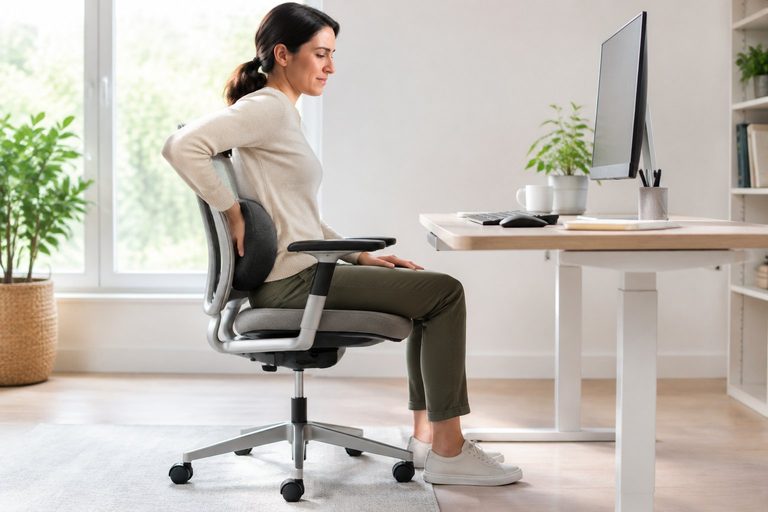
- Does your chair support your lower back, or do you slide forward as the day goes on?
Jaw Clenching, Stress, and Shoulder Tension
Stress adds another layer by tightening the jaw and shoulders, which pulls on the same muscles connected to your upper neck. Clenching your jaw during focused work or a stressful commute can quietly stack tension on top of an already strained cervical spine.
Shoulder tension often shows up as a heaviness or ache that spreads up into the base of the skull, blending with a cervicogenic headache pattern. Addressing posture alone rarely resolves this fully when stress and clenching are part of the picture.
Recognizing these triggers is useful, but knowing why they cause pain is different from knowing how to fix it. That’s where a focused cervical spine evaluation comes in.
How Chiropractic Care Addresses the Cervical Spine Component
Chiropractic care for cervicogenic headaches focuses on restoring normal motion to the upper neck joints that are referring pain into your head. The goal is to reduce the mechanical irritation causing the pain, not just manage the ache after it starts.
What Happens During a Headache and Neck Evaluation
A thorough evaluation starts with a detailed history of when your headaches happen, what triggers them, and how they respond to neck position. From there, a physical exam checks your cervical range of motion, tenderness at specific joint levels, and posture patterns that may be contributing.
This process is what separates a targeted plan from generic advice to stretch more or drink more water. A 2026 clinical practice guideline developed by a 57-member expert consensus panel confirms that chiropractors appropriately manage cervicogenic and tension-type headaches with nonpharmacological interventions based on what the exam finds in your neck, not a one-size-fits-all answer.
Adjustments, Soft-Tissue Care, and Movement Restoration
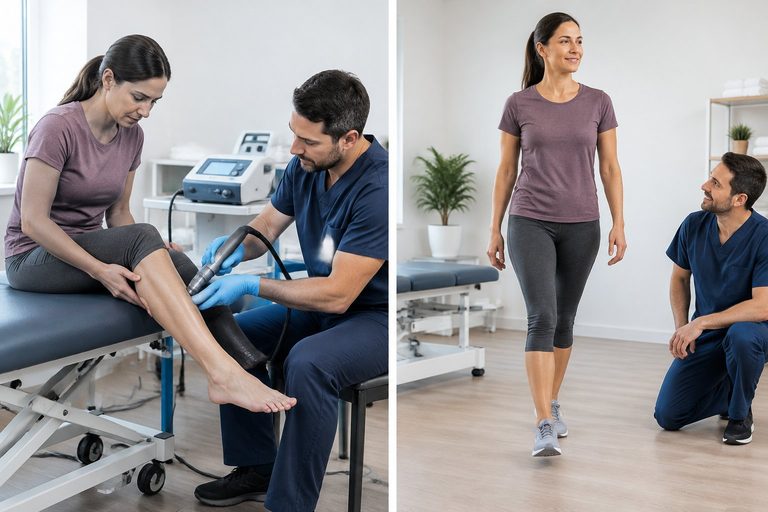
Cervical adjustments target the specific joint segments that have lost motion, restoring mechanics that reduce the referred pain pattern into your head. Soft-tissue work addresses the tight muscles at the base of the skull and upper shoulders that often tighten up alongside joint restriction.
Patients who recognize the ache moving from the base of the skull toward the temple often notice the neck stiffness easing first, with head pain frequency following as motion improves. This combined approach reflects how chiropractors address headaches through spinal manipulation, soft tissue therapy, and corrective exercises rather than a single technique.
Ergonomic and Mobility Steps That Support Lasting Relief
Adjustments alone rarely hold if the daily habits causing the strain don’t change too. A plan built around your work setup, sleep position, and neck mobility exercises supports what the hands-on care accomplishes in the office.
- Adjusting monitor height to reduce forward head posture
- Short, frequent neck mobility breaks during long work blocks
- Sleep positioning that keeps the neck in a neutral line
Understanding what a focused plan involves is reassuring, but it’s just as important to know when a headache calls for medical attention before any of this.
When a Headache Needs Medical Attention First
Most neck-related headaches are safe to address with a focused evaluation, but certain symptoms mean a different kind of care needs to come first. Knowing this distinction protects you and points you toward the right provider from the start.
Headache Red Flags That Should Not Be Ignored
A headache that comes on suddenly and severely, described as the worst of your life, needs urgent medical evaluation. The same is true for headaches that follow a head injury, come with fever, confusion, slurred speech, or vision loss.
- Sudden, severe headache unlike any you’ve had before
- Headache following a fall or head injury
- Numbness, weakness, or trouble speaking alongside the headache
- Fever, stiff neck, or confusion with the headache
These symptoms fall outside what a neck-focused evaluation is meant to address, and they call for emergency or physician care right away.
When Imaging or Neurology Care May Be Appropriate
Headaches that don’t fit a clear cervicogenic or tension pattern, or that worsen despite conservative care, sometimes need imaging or a neurology referral. This is especially true if nausea, visual disturbances, or unpredictable pain location suggest a migraine or another neurological process, as described earlier in this guide.
A responsible evaluation includes recognizing when your symptoms need a referral instead of ongoing neck-focused care. That honesty is part of what makes a targeted plan trustworthy.
A Clearer Path to Addressing Neck-Driven Head Pain
Chronic headaches don’t have to stay a mystery you manage one dose of pain reliever at a time. A focused look at your cervical spine, movement patterns, and daily habits often uncovers what generic headache advice misses.
The pattern is worth paying attention to: pain that starts at the base of the skull, stays on one side, and shifts with neck position points toward a mechanical cause you can actually address. That differs from a headache with no clear trigger, which deserves its own evaluation path.
Whether your afternoons are interrupted by the same dull ache behind one eye or your neck feels stiff by the time you leave your desk, there is a way to look at the actual source instead of just the symptom. Bringing your specific pattern to an evaluation turns guesswork into an actual plan.
If a pattern like this sounds familiar, reaching out to Metro Acute Chiropractic is a straightforward way to get a clear answer. You do not have to keep guessing which headache type you have or adjusting your whole day around the pain. Request your appointment today and get a care plan built around your specific neck and headache pattern.
Frequently Asked Questions
Should I See a Chiropractor for Cervicogenic Headaches?
Yes, chiropractic care is a common approach for headaches that trace back to neck joint or muscle irritation. An evaluation can confirm whether your pain pattern fits a cervicogenic cause before any treatment begins.
How Can I Tell if My Headache Is Coming From My Neck?
Neck-related headaches usually stay on one side, start at the base of the skull, and change with certain neck movements or positions. If turning your head or sitting a certain way reliably brings on the pain, your neck is likely involved.
Can a Chiropractor Help if Neck Movement Makes My Headache Worse?
Yes, headaches that worsen with specific neck movements often respond well to care focused on restoring motion to the upper cervical joints. This pattern is one of the clearest signs that a mechanical, neck-based cause is contributing to your pain.
Can Chiropractic Care Treat Migraines?
Chiropractic adjustments address the cervical spine component of headache pain, not the neurological triggers behind true migraines. If your symptoms include nausea, visual changes, or sensitivity to light, a separate medical evaluation is the right next step alongside any neck-focused care.
How Many Chiropractic Visits Are Usually Needed for Neck-Related Headaches?
Care plans vary by how long the pain has been present and how restricted the neck has become. Many recent-onset headache cases involve fewer than ten visits over less than eight weeks, though your specific plan depends on what the evaluation finds.
What Headache Symptoms Mean I Should Seek Urgent Medical Care?
A sudden, severe headache unlike any before, one following a head injury, or one with confusion, weakness, or vision loss needs emergency evaluation. These symptoms fall outside what neck-focused care is designed to address.