You pause at the top of the stairs and plan your first step. You stand up after a long meeting and feel your knee lock, then loosen. Maybe you have quietly dropped the hikes, the pickup games, or the long walks with the dog because your knee decides how far you get.
Knee pain that lingers for months rarely comes from nowhere. It usually traces back to an old injury that never fully healed, a tendon under constant strain, or joint inflammation from years of repetitive stress. Chronic knee pain is often a mechanical problem, which means the goal isn’t just to numb the joint but to change what keeps irritating it.
Keep reading to learn what actually causes ongoing knee joint pain, which non-surgical knee treatments have real evidence behind them, how focused acoustic wave therapy fits into recovery, and when an orthopedic opinion makes sense. Lasting relief looks like walking without planning your route around your knee.
Find the Source of Persistent Knee Symptoms
Knee pain relief starts with knowing which tissue is unhappy. The knee is a hinge under heavy load, and pain from a strained tendon feels different from pain caused by cartilage loss, even when both hurt on stairs.
Overuse, Tendon Irritation, and Ligament Strain
Tendons around the kneecap and hamstring attachments get irritated when demand outpaces recovery. You feel it after squatting, kneeling, or a long day on your feet, and it often warms up with movement before aching later.
Ligament strain works differently. A partially healed ligament leaves the joint slightly less stable, so surrounding muscles overwork to keep the knee tracking straight. That extra effort shows up as a dull, tired ache along the sides of the joint.
Old Knee Injuries and Repetitive Stress
A sprain from a decade ago can still shape how you move today. If you limped for weeks, your body learned a new pattern, and that pattern often outlives the injury.
Repetitive stress then builds on top of that habit. Thousands of steps with a slightly shifted load add up in the same small area of the joint, which is why one knee hurts and the other does not.
Joint Inflammation, Cartilage Loss, and Osteoarthritis
With knee osteoarthritis, cartilage thins and synovial fluid becomes watery, so the femur and tibia lose some of their cushion. Mild to moderate osteoarthritis often responds well to conservative care.
Even bone-on-bone knee arthritis involves swelling, stiff muscles, and guarded movement. Those pieces are treatable, which is why bone-on-bone knees do not automatically mean surgery.
Why Pain Severity and Imaging Do Not Always Match
Some people with dramatic X-rays walk comfortably. Others with mild changes hurt constantly. Imaging shows structure, not sensitivity, muscle strength, or movement quality.
That gap matters because it means your daily function can improve even when the picture stays the same. The next step is building the support your knee has been missing.
Build a Conservative Plan That Restores Support and Movement
Conservative treatment is not a waiting room before surgery. Structured exercise, weight management, and smart activity modification form the foundation of nonsurgical treatment for knee pain, and every major guideline puts them first.
Physical Therapy Principles for Strength and Control
Strong quadriceps and hamstrings absorb the load your joint would otherwise take. Straight leg raises, gentle range-of-motion exercises, and balance training rebuild control without hammering the joint, and a structured strengthening program keeps that progress consistent.
Manual therapy helps too. Hands-on work improves joint mobility and reduces the stiffness that keeps you from bending fully. Most people notice real change in four to eight weeks of consistent work.
Low-Impact Movement That Keeps the Knee Active
Rest feels protective, but knees stiffen fast without motion. Low-impact exercise keeps cartilage nourished and muscles awake while sparing the joint:
- Swimming and aquatic therapy for near-weightless movement
- Cycling on a bike with the seat set slightly high
- Walking on flat ground, starting shorter than you think you need
- Yoga or tai chi for balance, flexibility, and quality of life
Weight, Activity, and Daily Habit Adjustments
Every pound you carry places roughly four extra pounds through the knee with each step, according to gait-analysis research on weight loss and knee-joint load. Losing five to ten percent of body weight can meaningfully cut pain for people carrying extra weight.
Small lifestyle changes stack up. Alternate standing and sitting, break yard work into shorter blocks, and lead with your stronger leg going up stairs.
Braces, Orthotics, and Other Supportive Tools
A knee brace can quiet symptoms while strength returns. Unloader braces shift pressure away from the worn side of the joint, which often makes walking noticeably easier.
Orthotics address the foundation. If your foot collapses inward, the knee rotates with it, and correcting that changes the strain reaching the joint. Support helps, but the tissue itself may still need a push to heal.
How Stemwave Therapy May Support Knee Tissue Recovery
Some knees stall. An irritated tendon or capsule can stall healing, and pain can settle into a pattern that rest no longer touches. Focused acoustic wave therapy is designed for exactly that situation.
What Focused Acoustic Waves Do Around the Knee
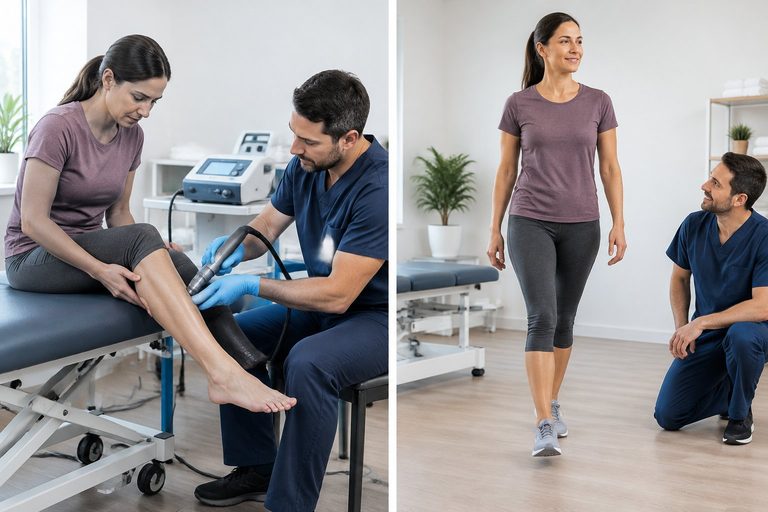
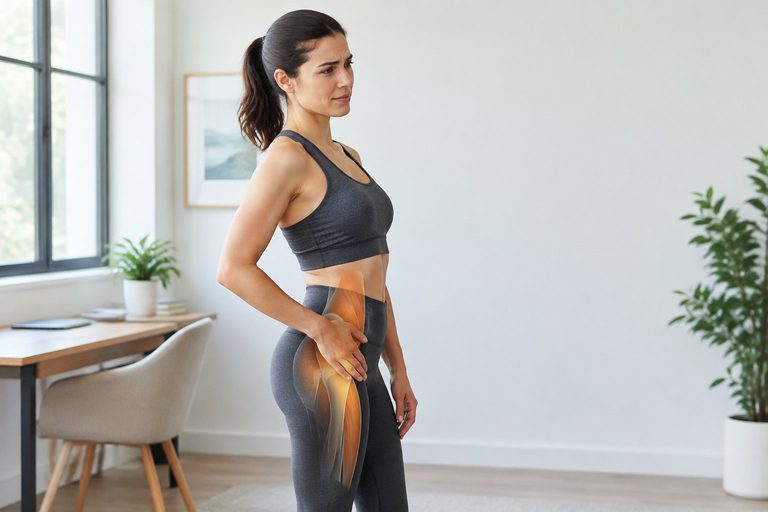
Stemwave therapy sends focused sound waves through the skin into the tissue around your knee. Those waves increase local blood flow and stimulate the body’s own repair response, including collagen activity in the tendon.
Sessions are brief and drug-free. You sit or lie down while a handpiece is moved over the sore areas, and most people describe a firm tapping sensation rather than pain. No incision, no needle, and no downtime afterward.
Why Alignment and Movement Patterns Still Matter
Treating tissue without changing load is half a plan. If your hip, pelvis, or foot mechanics keep loading one side of the knee, irritation returns.
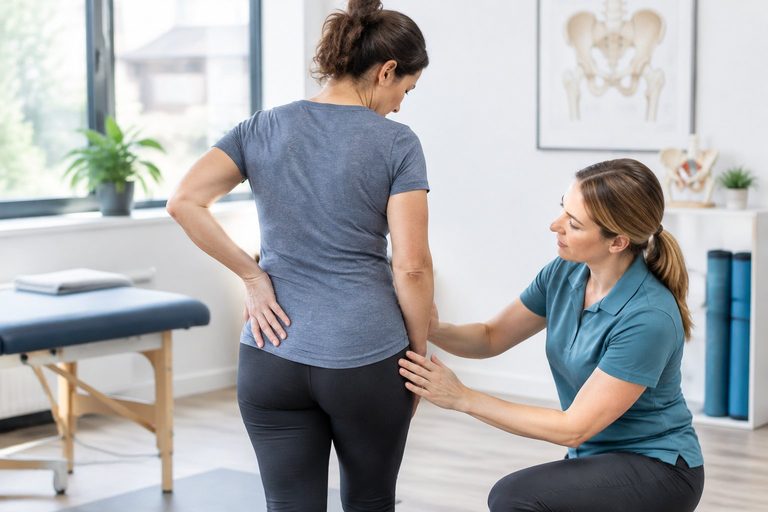
Pairing acoustic wave treatment with chiropractic adjustments addresses both sides of the problem. Adjustments restore motion where you have lost it, so the knee stops absorbing strain that belongs elsewhere.
Who May Be a Good Candidate for This Approach
This approach tends to fit people with pain lasting more than a few weeks who want non-surgical knee pain management. It responds best to tendon irritation, lingering strain, and joint inflammation from repetitive stress.
It is not for everyone. Acute fractures, active infection, and certain circulatory conditions rule it out, which is why an exam comes first.
What to Expect During a Personalized Care Plan
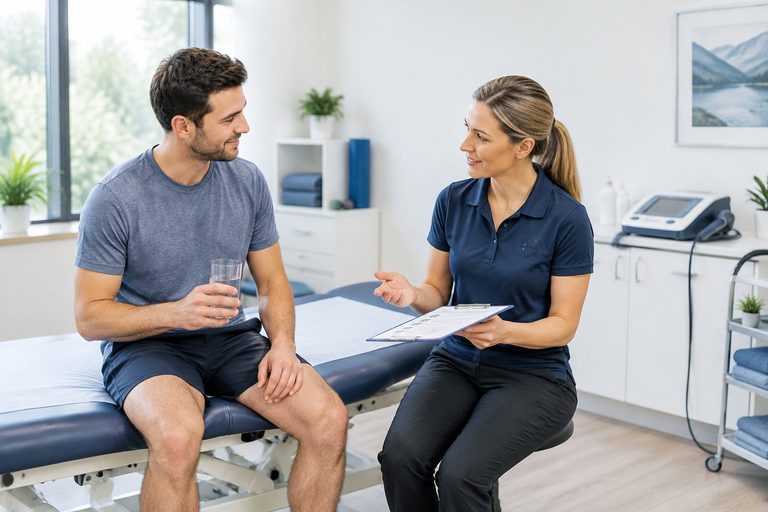
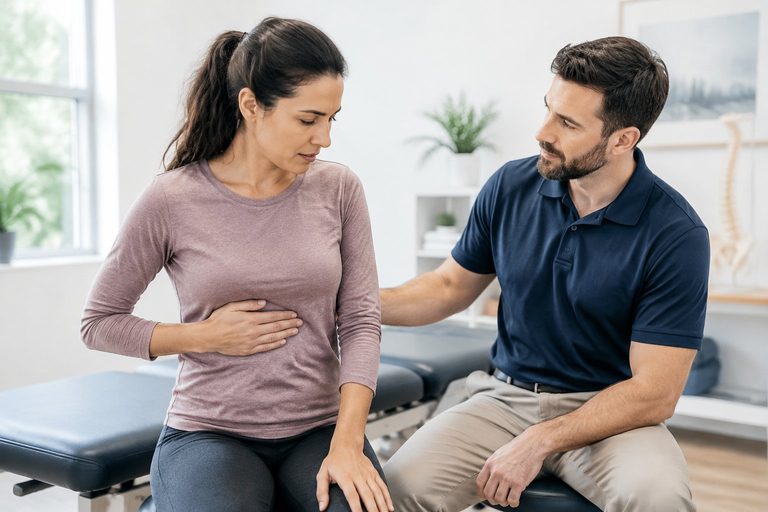
A useful plan starts with a thorough evaluation: how you walk, where you lose motion, and which muscles have stopped working. Treatment is then built around your findings, not a template.
Most plans combine several sessions with specific exercise and activity modification between visits, tracking functional improvement rather than pain alone. Medications and injections can also play a role, so it helps to know what each one realistically offers.
Medication, Injections, and Procedures: What They Can and Cannot Do
Medications and injections manage symptoms well. They rarely change the mechanics driving your pain, which is why they work best alongside strength and movement work.
Using Oral and Topical Pain Relievers Safely
NSAIDs like ibuprofen, naproxen, meloxicam, and diclofenac reduce pain and swelling. Long-term use carries stomach, kidney, and heart considerations, so check with your physician.
Topical options often deliver relief with less systemic exposure. Voltaren gel, capsaicin cream, menthol rubs, and lidocaine patches can all help. Acetaminophen, such as Tylenol, is milder but easier on the stomach.
Corticosteroid Injections for Short-Term Flares
Cortisone shots calm severe joint inflammation within a few days, and relief may last several weeks to a few months. That window is genuinely useful when a flare blocks your ability to exercise.
Repeated corticosteroid injections have been linked to cartilage effects over time, so most providers space them out and limit how many you receive per year.
Hyaluronic Acid and Gel Injections
Hyaluronic acid injections, also called viscosupplementation or knee gel injections, aim to restore joint lubrication. Relief builds over two to eight weeks and often lasts six to twelve months.
They come as a single shot or a weekly series. Medicare Part B can cover them for knee osteoarthritis when imaging confirms the diagnosis and conservative treatments like NSAIDs and physical therapy have already been tried without enough relief. Many people use that treatment window to make real progress in strengthening.
PRP, RFA, and Other Options With Evolving Evidence
Platelet-rich plasma uses your own blood components to target damaged tissue, and results vary by preparation and patient. Radiofrequency ablation interrupts pain signals from specific nerves when injections have helped only briefly.
Stem cell therapy for cartilage regeneration remains investigational and expensive. Promising is not the same as proven, and some knees genuinely need a surgical conversation.
Know When to Seek an Orthopedic Opinion
Conservative care works for most people, but not all. Knowing the signs that call for a specialist keeps you from losing months to a problem that needs a different answer.
Warning Signs That Need Prompt Medical Assessment
Some symptoms deserve attention within days, not weeks:
- Your knee gives way, buckles, or locks in place
- You cannot bear weight after an injury
- Rapid swelling, redness, warmth, or fever
- Visible deformity or a knee that will not straighten
- Numbness, tingling, or a cold, pale lower leg
When Total Knee Replacement Becomes Worth Discussing
The American Academy of Orthopedic Surgeons and the American College of Rheumatology both recommend exhausting conservative options first. Knee replacement surgery becomes a fair discussion when pain limits sleep and basic daily activity despite months of honest effort.
Adjuncts like glucosamine, chondroitin, omega-3 fatty acids, and acupuncture show mixed evidence. Some people find them helpful, but none substitutes for strength and load management.
Choose the Next Step Based on Function, Not Fear
Track what you can do, not just what hurts. If your walking distance, stair tolerance, and sleep are improving, your plan is working.
If nothing has moved in three months, something in the plan is missing. That is a reason to look closer, not to give up on non-surgical care.
Frequently Asked Questions
What Is the Fastest Way to Relieve Knee Pain at Home?
Short-term, use ice for 15 minutes, elevate the leg, and keep moving gently rather than sitting still. A topical anti-inflammatory can help ease the pain. Fast relief helps, but it doesn’t address why the knee flared.
What Non-Surgical Treatments Can Help With Knee Arthritis Pain?
Exercise and strengthening come first, followed by weight management, bracing, and injections such as hyaluronic acid. Focused acoustic wave therapy may help the surrounding soft tissue. Combining approaches usually beats relying on any single one.
Which Exercises Can Strengthen My Knee Without Making the Pain Worse?
Straight leg raises, seated leg extensions with light resistance, glute bridges, and stationary cycling load the muscles without deep joint compression. Add balance work as control improves. Mild soreness is fine; sharp pain or next-day swelling means back off.
How Can I Reduce Knee Swelling and Inflammation Naturally?
Elevate the leg above heart level, use compression, and alternate activity with short rest breaks instead of full days off. An anti-inflammatory eating pattern and steady weight loss both lower joint inflammation. Persistent swelling should be evaluated.
What Treatments Can Help Rebuild or Protect Knee Cartilage Without Surgery?
No non-surgical treatment reliably regrows cartilage today. What you can do is protect what remains by strengthening supporting muscles, reducing load, and improving alignment. Acoustic wave therapy targets soft tissue healing rather than cartilage itself.
When Should I See a Provider for Knee Pain That Is Not Getting Better?
If pain lasts more than two to three weeks, keeps returning, or changes how you walk, get it examined. Waiting often creates compensation patterns that are harder to correct later. Any locking, buckling, or inability to bear weight warrants prompt care.
Moving Forward Without Surgery on the Table
Ongoing knee pain does not have to end in an operating room. Most people improve by finding the actual source of the strain, rebuilding support around the joint, and giving stalled tissue a reason to heal.
If knee pain has been quietly shrinking your world, Metro Acute Chiropractic can help you find out what is actually driving it. Care is built around your exam findings, combining Stemwave therapy, chiropractic adjustments, and targeted movement work.
You do not have to keep managing this on your own. Schedule your visit with our team in Lone Tree and find out what personalized care can do for you.