You notice it in small moments. The first few steps out of bed sting in your heel, your knees ache after a long walk through the neighborhood, or your low back tightens by mid-afternoon at work. You have probably already tried a cushioned insole from the drugstore, and it helped for a week or two before the pain crept back.
That pattern is common, and it usually means the problem is not just soreness. It is how your feet are supporting the rest of you. At Metro Acute Chiropractic in Lone Tree, care starts with finding the root cause of pain rather than covering it up, and your feet are often where that search begins.
Keep reading to find out how custom orthotics actually differ from shoe inserts you can buy off a shelf, which pain patterns respond best to personalized support, and how to tell when a professional evaluation is worth your time. Lasting relief here does not mean masking heel pain each morning; it means walking, standing, and working without thinking about your feet at all.
How Personalized Foot Support Changes Movement
Your feet carry every step you take, so small imbalances there rarely stay small. Personalized foot support works by changing how force travels through your body, not just by softening the ground under you.
Support Beyond Cushioning
A soft insole feels good because it absorbs some shock. Custom-made orthotics go further by holding your arch in a corrected position while you move, so your foot loads the way it was built to.
That distinction matters. Cushioning reduces impact for a while, then compresses. Functional arch support guides motion, which is what reduces repeated strain on the tissues that hurt.
Foot Biomechanics, Balance, and Alignment
When your arch collapses inward with each step, your ankle rolls, your shin rotates, and your knee follows. Custom orthotic insoles limit that excess motion so your joints stack more evenly.
Better foot stability also improves balance. Patients often describe feeling steadier on uneven ground or standing longer at the sink without shifting weight from side to side.
From the Feet Through the Kinetic Chain
Your body works as a chain. Poor foot support at the bottom shows up as joint pain higher up, which is why some people with knee or back complaints have healthy-looking knees and spines.
Orthotic inserts help distribute pressure and improve shock absorption before that force reaches your hips and low back. That is the whole-body logic behind using them alongside chiropractic care, and it also explains why the shelf at the pharmacy is not always enough.
Custom Devices vs. Store-Bought Insoles
Both options go inside your shoe, but they serve different purposes. One adds comfort for an average foot; the other is made for your foot and your symptoms.
Fit, Materials, and Functional Control
Over-the-counter insoles are shaped from a broad template. Generic insoles work for many people because most feet are roughly similar, but “roughly” is where problems start if you have a high arch, a flattened arch, or one foot longer than the other.
Custom insoles are built from an impression or scan of your feet. The arch height, heel cup depth, and firmness match your structure, and support can be angled to control how far your foot rolls in or out.
When Foam and Gel Inserts May Be Enough
Sometimes a simple insert is the right call. Foam insoles and gel shoe inserts can handle mild, occasional discomfort without a bigger investment.
An off-the-shelf option is often reasonable when:
- Your feet only ache after unusually long days on hard floors
- Your shoes are worn out, and the insole is really replacing missing cushioning
- You have no history of foot pain, knee pain, or back pain
- Discomfort clears up fully within a day of rest
Durability, Cost, and Realistic Expectations
Store-bought insoles typically run $10 to $60 and flatten out within months. Custom orthotics cost more upfront because of the evaluation, medical-grade materials, and fabrication, but they commonly hold their shape for years.
Neither one cures a condition on its own. Personalized support reduces the daily strain that feeds your pain, which can make other treatment work better. That leads to a fair question: which pain patterns actually respond to it?
Pain Patterns That May Benefit From Added Support
Certain complaints point strongly toward a foot mechanics problem. If your pain follows one of these patterns, it’s worth discussing added support.
Heel and Arch Symptoms
Sharp heel pain with your first steps in the morning, or a deep ache along the arch after standing, usually means the tissue on the bottom of your foot is being overstretched. Pain that eases as you warm up and returns after sitting is a classic sign.
Plantar Fasciitis and Heel Spurs
Plantar fasciitis involves irritation and tiny tears in the band running from your heel to your toes. A heel spur can form where that band pulls on the bone over time.
Rest alone often fails here because the moment you stand back up, the same pull returns. Support that holds the arch reduces that repeated tug while the tissue heals.
Ankle, Knee, Hip, and Low Back Strain
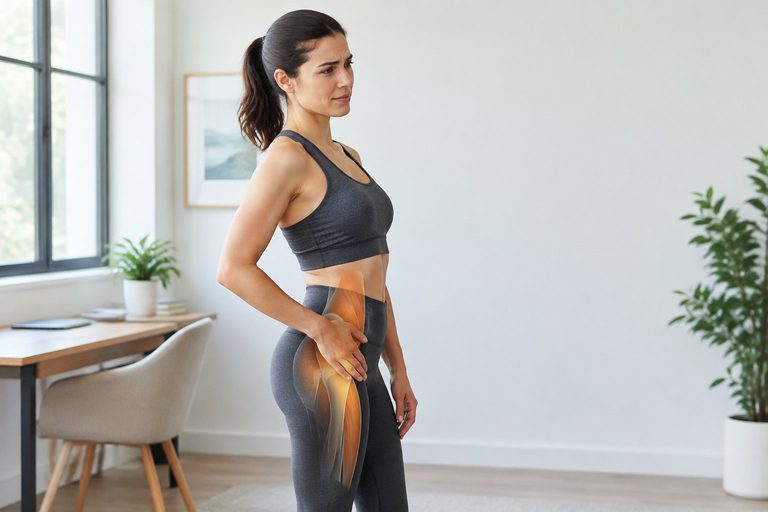
Ankle pain, knee pain on stairs, hip tightness, and low back pain can all trace back to an unstable foundation. If one side of your body absorbs more load with every stride, the tissues on that side fatigue first.
High Arches and Uneven Pressure
High arches are not automatically better. A rigid, tall arch spreads weight across less surface area, concentrating pressure on the heel and ball of the foot.
That uneven loading causes callusing, burning under the forefoot, and foot pain that worsens with walking. Whether your arch is too flat or too rigid, the next step is finding out which pattern you have.
Deciding Whether a Professional Evaluation Makes Sense
You do not need an appointment for every sore foot. You do need one when the same pain keeps returning no matter what you put in your shoe.
Signs an Off-the-Shelf Option Is Reasonable
If your symptoms are new, mild, and tied to a specific event like a long hike or a new pair of shoes, try a quality insert and better footwear first. Give it two to three weeks of honest use.
Improvement should be obvious in that window. If it isn’t, the insole probably isn’t addressing the cause.
When Persistent Symptoms Call for an Assessment
Talk with a healthcare provider if pain has lasted more than a month, wakes you up, changes how you walk, or shows up in your knees and back at the same time as your feet. Uneven shoe wear is another useful clue.
Compensating for pain also has a cost. People shorten their stride or shift weight without realizing it, and that new pattern creates fresh problems.
What a Foot Scan and Clinical Evaluation Can Reveal
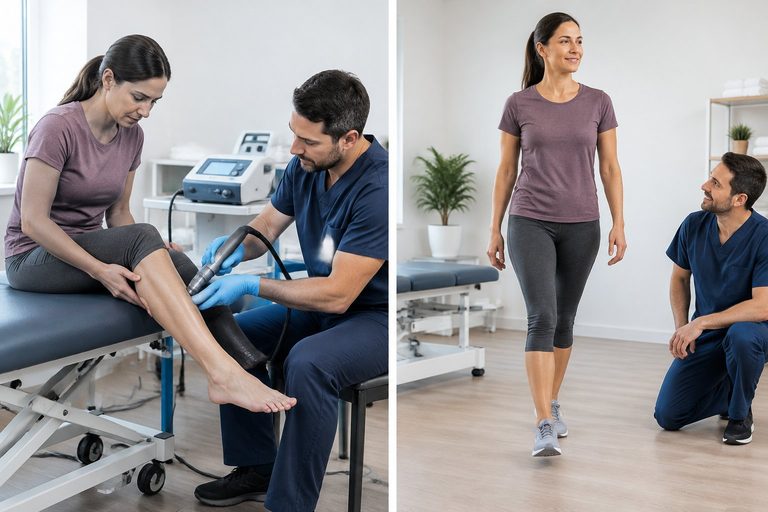
At Metro Acute Chiropractic, evaluation for custom-made orthotics starts with a digital foot scan that maps pressure across each foot while you stand. You will see where your weight actually lands, often for the first time.
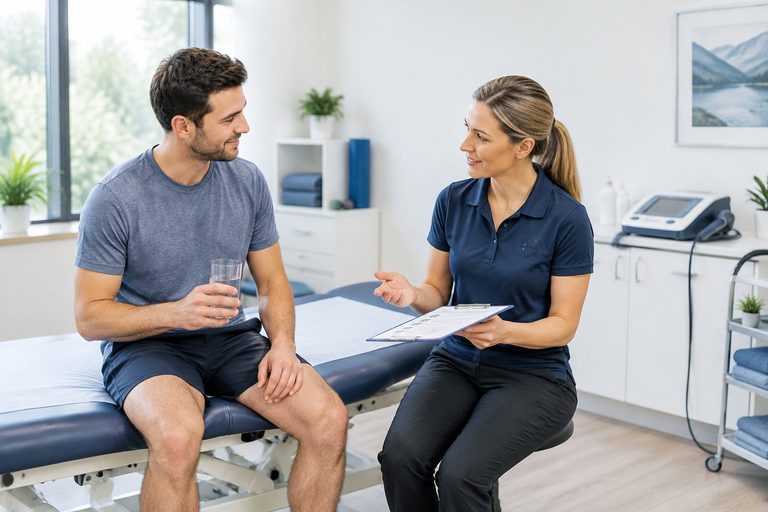
That scan is paired with a hands-on exam of your gait, arch structure, ankle motion, and spinal alignment. The point is to connect what your feet are doing to where you hurt, then decide whether orthotics, adjustments, or both belong in your plan.
The Fitting Process, Break-In Period, and Daily Use
Getting fitted is straightforward and mostly painless. The adjustment period afterward is where most people need a little guidance.
Impressions, Digital Scans, and At-Home Options
A foot scan captures your pressure pattern digitally in a few minutes. Some providers use a foam impression kit instead, where you press each foot into a mold that is sent to the lab.
Both methods produce a device built around your anatomy. CoreFit custom insoles and similar Foot Levelers products are then manufactured to that specification, including arch height, heel posting, and material firmness.
Matching Inserts to Shoes and Activities
One pair rarely covers everything. Dress shoes, work boots, and running shoes have different depths, so many patients order a second set or choose a slimmer build for tighter footwear.
Your shoes still have to do their job. Custom orthotic inserts cannot correct a broken-down shoe with a collapsed heel counter, so replace footwear that is past its life.
How to Break In New Support Comfortably
New arch supports feel different because they hold your foot in an unfamiliar position. Most people adapt in two to four weeks by building up gradually:
- Days 1 to 3: wear them one to two hours a day indoors
- Days 4 to 10: add an hour daily as comfort allows
- Week 2 onward: wear them for full days, including walking and work
- Save running or long hikes until full-day wear feels normal
Mild arch fatigue is expected. Sharp pain, blisters, or a new limp mean stop and call for an adjustment, since small refinements often solve it.
Take the Next Step Toward More Comfortable Movement
If you have already tried inserts and your heel, knee, or back pain keeps coming back, you now know why. Generic support cannot correct a pattern it was never measured for.
A Personalized Plan for Ongoing Foot and Joint Pain
Foot pain rarely travels alone. Combining custom orthotics with chiropractic care addresses both ends of the chain: the foundation under you and the joints above it that have been compensating for months.
As a Foot Levelers provider, our Lone Tree office scans your feet, reviews your gait, and builds support around what the exam actually shows. With 16-plus years of experience and thousands of patients treated, the goal is function you can feel, not a temporary fix.
Frequently Asked Questions
What Are Custom Orthotics, and How Can They Improve the Way I Walk and Move?
Custom orthotics are prescription shoe inserts made from a scan or impression of your own feet. They hold your arch in a corrected position so weight spreads more evenly, smoothing your gait and reducing repeated strain on your feet, knees, and back.
Are Custom Orthotics Worth the Cost for Foot, Knee, Hip, or Back Pain?
They are usually worth it when pain is ongoing, returns after rest, or involves more than one joint. If your discomfort is mild and occasional, a quality store insert and better shoes may be all you need first.
How Much Do Custom Orthotics Typically Cost, and Does Insurance Cover Them?
Store-bought insoles run roughly $10 to $60, while custom devices cost more because of the evaluation, materials, and fabrication. Coverage varies by plan, though HSA and FSA funds commonly apply when the orthotics are prescribed for a diagnosed condition, and we will review your options before ordering.
Can Custom Orthotics Help With Flat Feet, Plantar Fasciitis, and Heel Pain?
Yes, these are among the most common reasons patients get fitted. Orthotics reduce the constant pull on the plantar fascia and support a collapsing arch, which lowers strain while the irritated tissue heals.
How Are Custom Orthotics Made to Fit My Feet and Movement Needs?
We start with a digital foot scan and a hands-on exam of your gait, arch, and alignment. Those findings determine arch height, heel posting, and firmness, and we then build the device to those specifications.
How Long Do Custom Orthotics Last, and When Should They Be Replaced?
Most last several years with daily use, far longer than foam inserts that flatten within months. Replace them when the shell loses its shape, symptoms return, or your weight, activity level, or foot structure changes noticeably.
Using HSA or FSA Funds for Eligible Care
Cost is a fair concern. Under IRS Publication 502, custom orthotics and chiropractic visits generally qualify as HSA- and FSA-eligible medical expenses when they’re prescribed or recommended to treat, manage, or prevent a diagnosed condition rather than purchased for general comfort. Our team will walk you through what documentation you need and what to expect before ordering anything.
Take the first step toward lasting relief. Schedule your visit with our team in Lone Tree and find out what personalized care can do for you.