If you live in Parker, Colorado, and you’re dealing with shooting pain down your leg, numbness in your foot, or a deep ache that won’t go away, you may be experiencing sciatica.
Sciatica treatment in Parker, CO is something our team at Metro Acute Chiropractic in nearby Lone Tree has helped hundreds of patients with over the past 16+ years. Our Lone Tree office is just a short drive from Parker, and we welcome patients from across the south Denver metro every day.
This article gives you a general overview of sciatica, what causes it, and how treatment may help you feel better and move more freely. It is not a substitute for a professional evaluation or medical advice.
What Sciatica Pain Usually Feels Like
Sciatica has a distinctive pain pattern that most people recognize once they know what to look for. The symptoms follow the path of the sciatic nerve, which means you’ll often feel them not just in your back but all the way down through your leg.
How The Sciatic Nerve Creates Leg Symptoms
The sciatic nerve is the longest nerve in your body. It starts at the lower spine, travels through the buttock, and runs down the back of each leg to the foot and toes. When something irritates or compresses this nerve, pain, tingling, or numbness can travel along its entire path.
Most people describe the sensation as:
- A sharp or burning pain down the back of one leg
- Tingling or a pins-and-needles feeling in the leg or foot
- Numbness in part of the leg, calf, or toes
- A feeling like an electric shock when coughing or sneezing
- Weakness in the leg that makes walking or standing difficult
Sciatica almost always affects only one side of the body at a time. If symptoms appear in both legs at once, that warrants immediate medical attention.
Signs Your Symptoms May Be Coming From The Low Back
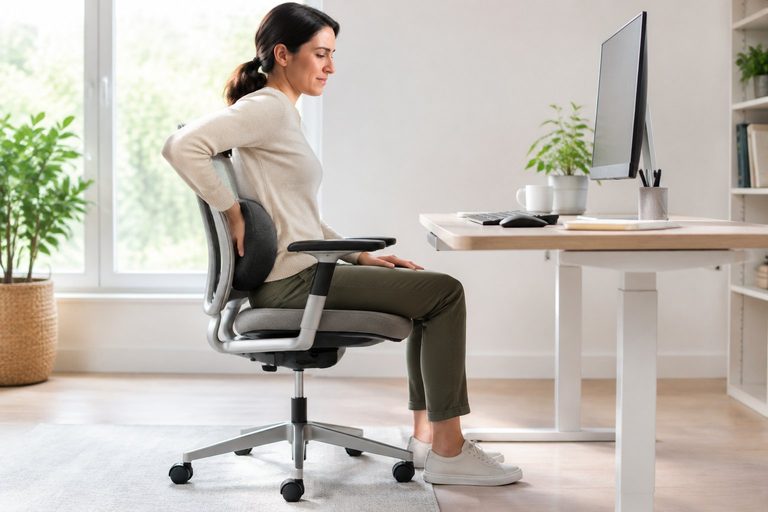
Many patients are surprised to learn their leg pain originates in the spine. The lower back is where most sciatic nerve compression begins. You may notice that your leg pain gets worse when you sit for long periods, bend forward, or first stand up after resting.
Low back stiffness, aching, or muscle tightness often accompany the leg symptoms. If bending, twisting, or lifting seems to trigger your leg pain, the source is very likely in the lumbar spine rather than the leg itself.
When Sciatica And Neuropathy Can Feel Similar
Sciatica and peripheral neuropathy can produce similar symptoms, including numbness, tingling, and burning sensations in the legs and feet. The key difference is that sciatica typically follows a specific nerve path on one side and is often linked to a spinal cause, while neuropathy tends to affect both feet symmetrically and may have other underlying causes such as diabetes or circulation issues.
A proper clinical evaluation is the best way to tell the two apart. Getting an accurate diagnosis matters because the treatment approach for each condition can be quite different.
Common Causes Behind Ongoing Leg Pain
Most cases of sciatica trace back to a specific structural problem in the spine or surrounding muscles. Parker residents face unique daily habits and physical demands that can contribute to these problems developing or worsening over time.
Disc Problems And Nerve Root Irritation
The most common cause of sciatica is a herniated or bulging disc in the lumbar spine. The discs sit between each vertebra and act as cushions. When the soft inner material of a disc pushes outward, it can press directly on a nearby nerve root, which is where the sciatic nerve begins.
Spinal stenosis, which is a narrowing of the spinal canal, can also compress nerve roots and produce very similar symptoms. Both conditions are more likely to develop with age, repetitive loading, or a history of spine injuries.
Spinal Joint Dysfunction And Muscle Tension
When the joints of the lower back are not moving properly, the surrounding muscles often tighten up in response. This can create compression or irritation along the sciatic nerve’s path even without a disc problem.
The piriformis muscle, located deep in the buttock, can also tighten and directly press on the sciatic nerve. This is sometimes called piriformis syndrome and can mimic or accompany disc-related sciatica. Prolonged sitting is one of the most common triggers for piriformis tension.
Parker Habits That Often Aggravate Symptoms
Parker, Colorado has a very active community, but some everyday habits in the area can put significant strain on the lower spine. Long daily commutes on E-470 and Parker Road keep the spine flexed and the piriformis compressed for extended periods. Sports parents who spend hours on bleachers or hauling equipment exert sustained pressure on the same areas.
Cherry Creek Trail runners experience repetitive impact forces that can aggravate an existing disc problem. Youth athletes at Chaparral, Legend, and Ponderosa High Schools face their own risks from growth-phase spinal stress and repetitive demands of sport. Recognizing these patterns helps us tailor care to what is actually driving your symptoms.
How We Evaluate And Personalize Care
No two cases of sciatica are exactly alike, which is why a thorough evaluation comes before any treatment recommendation. Personalized care starts with understanding where your pain is coming from, what is causing it, and what your daily life looks like.
What A Conservative Examination May Include
A typical chiropractic evaluation for sciatica may include a review of your symptoms, how they started, and what makes them better or worse. Our team will also perform orthopedic and neurological tests to assess your reflexes, muscle strength, and the extent of sensory preservation in your leg and foot.
Postural analysis and a hands-on assessment of your lumbar spine and pelvis help identify where joint dysfunction, muscle tightness, or nerve tension may be present. This information guides the treatment plan rather than relying on a one-size-fits-all approach.
When Imaging Or Medical Referral May Be Needed
Not every case of sciatica requires an X-ray or MRI right away. When the history and physical exam strongly suggest a disc herniation, spinal stenosis, or another structural issue that is not responding to conservative care, imaging can provide useful details.
If your symptoms include severe, progressive weakness, changes in bladder or bowel function, or signs suggesting a condition outside the scope of chiropractic care, we will refer you to the appropriate medical provider. Patient safety always comes first, and co-managed care often produces the best outcomes.
Why Personalized Care Matters For Recovery
Two patients with nearly identical pain descriptions can have very different underlying causes and very different recovery timelines. Personalized care means your treatment plan is built around your specific diagnosis, physical condition, and goals, whether that is getting back to running the Cherry Creek Trail or simply sitting through a workday without pain.
Treatment Options That May Help You Move Better
Conservative sciatica care works best when it addresses the actual source of nerve irritation rather than just managing pain. Chiropractic care, physical therapy, and supportive therapies can each play a role depending on what your evaluation reveals.
Chiropractic Care And Chiropractic Adjustments
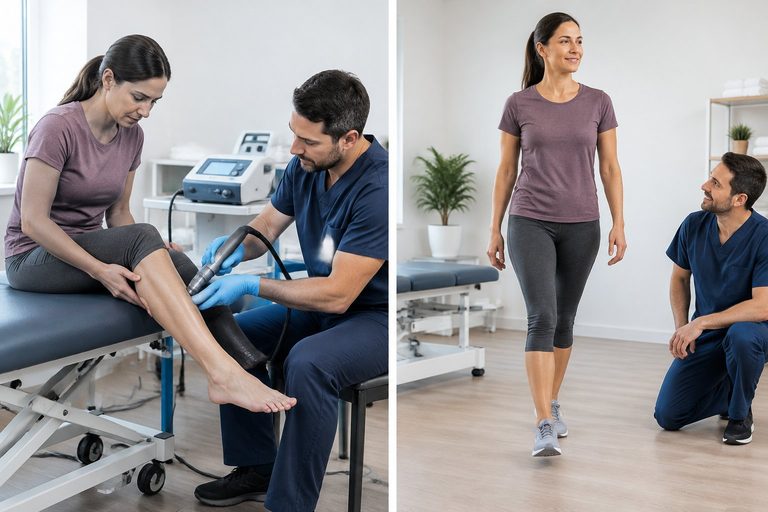
Chiropractic adjustments focus on restoring proper movement to the joints of the lumbar spine and pelvis. When spinal joints are restricted or misaligned, they can contribute to nerve root irritation and muscle imbalance. Gentle, specific adjustments may reduce that mechanical stress and take pressure off the affected nerve.
Many patients find that chiropractic adjustments help reduce the intensity of sciatic pain and improve their mobility. Results vary depending on the cause and severity of the condition, but chiropractic care has a strong track record as a first-line conservative option for lumbar nerve-related pain.
Spinal decompression therapy, which uses gentle traction to reduce pressure within the disc, may also be beneficial for cases involving disc herniation or stenosis.
Physical Therapy And Guided Exercise
Therapeutic exercise is one of the most evidence-supported tools for sciatica recovery. Specific stretches and strengthening exercises can take load off the lumbar discs, improve core stability, and reduce muscle tension that contributes to nerve compression.
Our approach to corrective and strengthening exercises is guided and progressive. Doing the wrong exercises at the wrong stage of recovery can worsen symptoms, so professional guidance matters. As symptoms improve, a return-to-activity program helps you rebuild confidence and function safely.
Other Supportive Therapies For Symptom Relief
Several additional therapies may support sciatica recovery as part of a broader care plan:
- Myofascial release targets tight muscles like the piriformis that can compress the sciatic nerve
- Massage therapy helps reduce muscle guarding and improve circulation in the affected area
- Acupuncture may help modulate pain signals and reduce inflammation around irritated nerve tissue
- Kinesio taping can provide support and gentle proprioceptive feedback between visits
- Custom orthotics address foot and gait mechanics that may be contributing to spinal load
These therapies are used selectively based on your individual presentation, not applied across the board to every patient.
When To Seek Prompt Medical Attention
Most sciatica cases can be managed with conservative care, but there are situations in which the symptoms indicate something more serious and warrant prompt medical evaluation. Knowing the difference can protect you from lasting harm.
Red Flags That Should Not Be Ignored
Certain symptoms alongside sciatica are warning signs that require immediate medical attention rather than a wait-and-see approach. Seek care right away if you experience:
- Loss of bladder or bowel control
- Numbness in the groin or inner thighs (saddle area)
- Sciatica that follows a significant fall, accident, or trauma
- Sudden severe pain with no clear trigger
- Fever combined with back or leg pain
These symptoms can indicate cauda equina syndrome or another serious spinal emergency. Do not delay seeking care if any of these apply to you.
Why Severe Weakness Or Progressive Numbness Matters
A gradual worsening of leg weakness or spreading numbness is not something to manage at home or wait out. Progressive neurological symptoms suggest that nerve damage may be occurring and that the window for effective conservative treatment may be closing.
If your ability to lift your foot, walk normally, or feel sensation in your leg has noticeably declined over days or weeks, that pattern warrants urgent evaluation by a medical provider. Early intervention tends to produce better neurological outcomes than delayed care.
How Conservative Care Fits With Co-Managed Treatment
Chiropractic care and medical care are not mutually exclusive. For mild to moderate sciatica, conservative care is often the appropriate first step and may help many patients avoid surgery. For more complex cases, chiropractic care can work alongside pain management, orthopedic evaluation, or other medical treatments.
Frequently Asked Questions
What are the most effective non-surgical treatments for sciatica pain?
Chiropractic adjustments, targeted physical therapy exercises, and soft-tissue therapies such as myofascial release are among the most commonly used non-surgical approaches for sciatica. Spinal decompression may also help when a disc is compressing the sciatic nerve. The most effective plan depends on what is causing your specific symptoms, which is why a proper evaluation matters before starting treatment.
How can I tell if my leg pain is sciatica or something else?
Sciatica typically causes pain, tingling, or numbness that travels from the lower back or buttock down one leg, often following a specific path. If your leg pain occurs on both sides, is associated with foot swelling, or does not seem related to your back at all, other conditions such as peripheral neuropathy or vascular issues may be involved. A clinical exam is the most reliable way to identify the source.
When should I see a doctor for sciatica symptoms?
You should seek medical attention right away if you lose bladder or bowel control, develop numbness in the groin area, notice rapidly progressing leg weakness, or experience sciatica after a significant injury. If your symptoms are severe, worsening over time, or have not improved after a few weeks of conservative care, a professional evaluation is a smart next step.
How long does sciatica usually take to heal with treatment?
Many people with mild to moderate sciatica begin to notice improvement within a few weeks of starting conservative care, and symptoms often resolve within four to six weeks. More severe cases involving significant disc herniation or prolonged nerve irritation may take longer. Results vary from person to person, and consistent follow-through with the recommended treatment plan tends to improve outcomes.
What stretches or exercises can safely relieve sciatic nerve pain?
Gentle nerve-flossing movements, piriformis stretches, and supported lumbar extensions are often recommended in the early stages of sciatica. Core stabilization exercises become important as symptoms calm down to prevent recurrence. It’s best to start any exercise program under professional guidance, as the wrong movements at the wrong time can aggravate symptoms rather than relieve them.
What shoes are best to wear when I have sciatica pain?
Supportive shoes with good arch support and cushioning can reduce the impact forces transmitted up the spine during walking and standing. Avoid flat, unsupportive footwear like flip-flops or worn-out sneakers, especially on hard surfaces. In some cases, custom orthotics prescribed after a gait and foot assessment may provide additional benefit by addressing biomechanical issues that contribute to spinal loading.
Getting Help Near Parker, CO
At Metro Acute Chiropractic, your first visit begins with a thorough consultation and examination. We listen to your history, assess your spine and nervous system, and explain what we find in plain terms before recommending any treatment.
With 16+ years of experience and thousands of patients helped across the South Denver metro, our team takes a root-cause approach to sciatica. We focus on what is actually driving your nerve irritation, not just providing temporary symptom relief. Care is drug-free, non-surgical, and built around your specific needs.
We offer a free consultation for new patients so you can get your questions answered and understand your options before committing to any plan. You can call us directly at (303) 221-3342 during office hours, or request an appointment online. Reach out today and take the first step toward moving and feeling better.