A car accident can turn your day upside down in seconds. Even a low-speed collision can leave your muscles, joints, and spine dealing with more damage than you realize right away. If you were recently in a crash and you are searching for a car accident chiropractor in Lone Tree, CO, getting evaluated quickly can make a real difference in how well and how fast you recover.
Here at Metro Acute Chiropractic, we have spent 16-plus years helping patients across Lone Tree and the south Denver metro find relief from auto injuries. Our team takes a drug-free, non-surgical approach focused on finding the root cause of your pain, not just covering it up.
Whether you are dealing with neck stiffness, lower back pain, or symptoms that have not yet fully appeared, this guide will walk you through what to expect from chiropractic care after a crash.
This article is general information and not a substitute for professional medical advice. Every injury is different, and a proper evaluation is the best way to understand what your body needs.
When To See A Chiropractor After A Crash
Time matters after a car accident. Neck and back pain can feel mild at first but can become serious if left untreated. The goal is to get evaluated early so you can discover the full picture of your car accident injuries before they become chronic problems. Many patients who visit our injury center within the first few days after a crash respond better to care than those who wait weeks.
Early Signs That Should Not Be Ignored
Some symptoms after a collision are easy to dismiss, especially when adrenaline is masking pain. Pay attention if you notice any of the following in the hours or days after your crash:
- Stiffness or pain in your neck or shoulders
- Aching or tightness in your upper or lower back
- Headaches that start at the base of your skull
- Dizziness or difficulty concentrating
- Numbness or tingling in your arms or hands
- Jaw pain or difficulty opening your mouth fully
These are common signs of soft tissue and spinal injury related to auto accidents. Getting checked out quickly gives your chiropractor the chance to catch problems before they settle in.
Why Symptoms Can Show Up Hours Or Days Later
Your body releases adrenaline during a crash, which can hide pain for 24 to 48 hours after impact. This means you might feel fine right after the accident and then wake up the next morning barely able to turn your head.
Soft tissue injuries, including micro-tears in muscles, tendons, and ligaments, do not always show up on standard X-rays. That delay in symptoms does not mean there is no injury. It means the injury has not fully declared itself yet. Seeing a chiropractor within 72 hours of your accident is a smart step even if you feel okay.
When To See Emergency Care First
Chiropractic care is not a replacement for emergency medical attention. Go to the emergency room or call 911 first if you experience any of the following:
- Loss of consciousness, even briefly
- Severe head or facial trauma
- Numbness or weakness in your legs
- Difficulty breathing or chest pain
- Visible bone fractures or deep lacerations
Once a medical doctor has cleared you of life-threatening injuries, our team can help you address the musculoskeletal damage that often follows a crash.
How We Evaluate Auto Injury Pain
Getting an accurate picture of your injuries is the first step toward a rehabilitation plan that actually works. At practices and clinics like Metro Acute Chiropractic, a family chiropractic approach means looking at your whole body, not just the spot that hurts most.
Whiplash, Joint Strain, And Soft Tissue Injury
Whiplash is the most common car accident injury we see. It happens when your head snaps forward and back quickly during impact, stretching and tearing the soft tissues in your neck. Joint strain, muscle tears, and ligament damage often accompany whiplash, even in low-speed crashes.
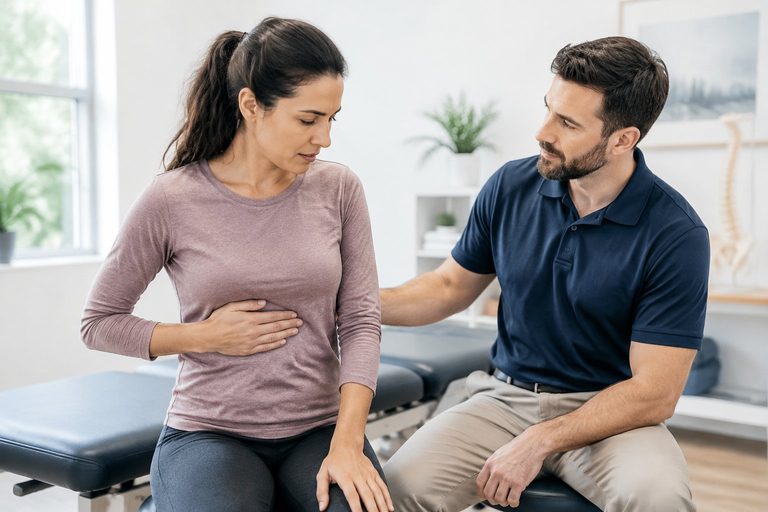
During your evaluation, our chiropractor will assess your range of motion, check for areas of tenderness, and review any imaging you have already had done. This helps us map out exactly which structures were affected.
Finding The Root Cause Of Limited Motion
Pain and stiffness after a crash are symptoms, not the root cause. Limited motion often points to joint dysfunction, spinal misalignment, or muscle guarding that developed after the initial injury.
Our evaluation process includes orthopedic and neurological testing to find out where the restriction is coming from and why. That way, your care targets the actual problem rather than just making you feel better temporarily.
How A Family Chiropractic Approach Supports Recovery
A family chiropractic approach means your care is built around you as a whole person. We consider your age, activity level, health history, and the specific forces involved in your accident when designing rehabilitation plans.
Our goal is to restore function, reduce pain, and support long-term health, not just get you through the next few weeks. Patients from Lone Tree, Highlands Ranch, Parker, and across the south Denver metro area trust this kind of personalized, consistent care.
Treatment Options That May Help You Recover
Recovery from an auto injury often involves more than one type of treatment. The right combination depends on your specific injuries, but the goal is always to reduce inflammation, restore movement, and support your body’s natural healing process.
Spinal Adjustment And Gentle Manual Care
A spinal adjustment is one of the most effective tools for restoring proper alignment after a car accident. When the spine shifts out of position during impact, it can compress nerves, restrict motion, and cause pain to spread beyond the original injury site. Gentle manual care allows our chiropractor to correct those misalignments without medication or surgery. Many patients notice improved range of motion and reduced pain after just a few sessions, though results vary.
Active Release Technique (ART) is another form of manual care that may help break up scar tissue and release tension in muscles and connective tissue damaged during a crash. It works well alongside spinal adjustments to address the full scope of soft-tissue injuries.
Massage Therapy For Muscle Guarding And Tension
After a crash, your muscles often tighten as a protective response. This is called muscle guarding, and while it serves a short-term purpose, it can slow your recovery if left unchecked.
Massage therapy helps relax those tight muscles, improves blood flow to injured areas, and encourages the release of natural pain-relieving compounds in the body. When massage is done before a spinal adjustment, it makes the adjustment more comfortable and more effective.
Physical Therapy And Corrective Exercise
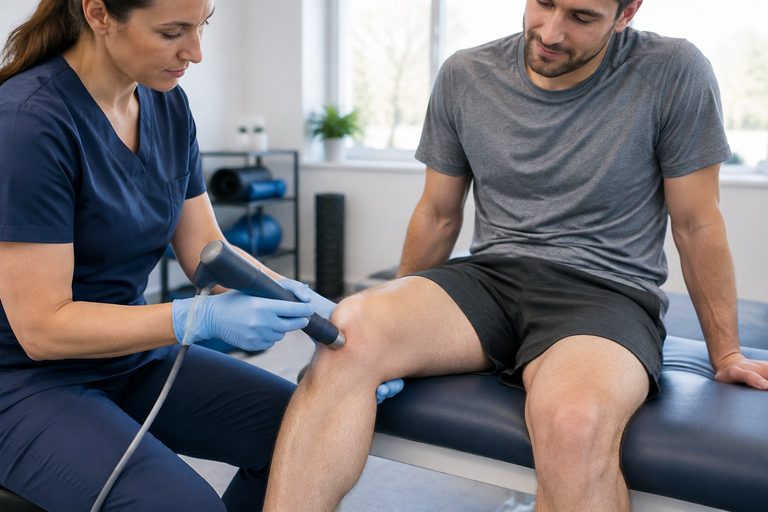
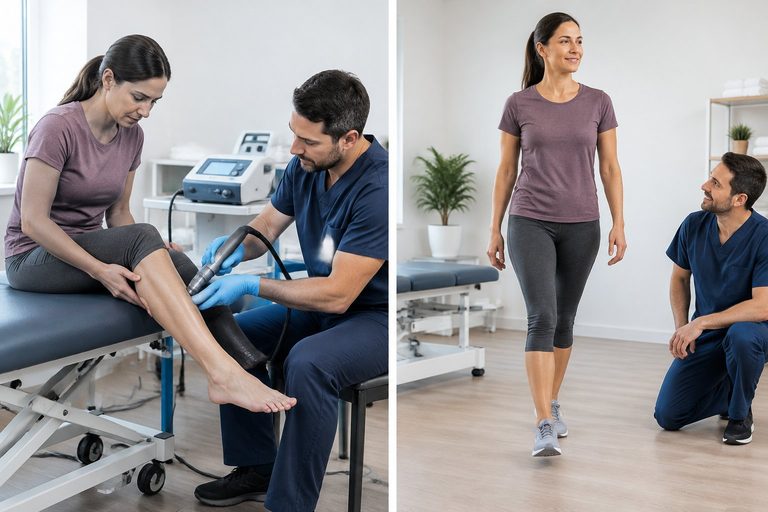
Physical therapy after an auto accident focuses on rebuilding strength and stability in the areas affected by your injury. Corrective exercises help retrain muscles that may have become weak or imbalanced after the crash.
Our team may recommend specific stretching and strengthening routines you can do at home between visits. Staying active in a guided, safe way supports faster recovery and helps prevent injuries from becoming chronic.
Acupuncture, Dry Needling, And Kinesio Taping
Acupuncture is a well-established option for managing pain and reducing inflammation after car accident injuries. Thin needles are placed at specific points to encourage blood flow and support the body’s healing response. Many patients find acupuncture helpful for headaches, neck tension, and nerve-related symptoms that follow a crash.
Dry needling targets tight bands of muscle tissue called trigger points. It uses a similar needle technique but focuses directly on releasing muscle knots that contribute to pain and restricted movement.
Kinesio taping involves applying a flexible, elastic tape to injured areas. It may help reduce swelling, support weakened muscles, and improve circulation without limiting your movement. Our team uses these tools as part of a larger treatment plan tailored to your specific injuries.
What Recovery May Look Like In The First Few Weeks
The first few weeks after a car accident are when your body is most responsive to care. Reducing inflammation and addressing pain early can prevent short-term injuries from turning into long-term problems. Rehabilitation plans during this phase are typically focused on two things: getting you comfortable and keeping your recovery moving in the right direction.
Pain Relief Goals And Restoring Range Of Motion
In the first one to two weeks, the primary goals are usually pain relief and swelling reduction. Neck pain and back pain are often at their peak during this window. Spinal adjustments, massage, and acupuncture work together to calm the nervous system, reduce muscle tension, and bring down inflammation.
As pain decreases, your chiropractor will begin introducing gentle movement work to restore range of motion. Most patients begin to feel measurable improvement within the first two to three weeks of consistent care, though recovery timelines vary with the severity of the injury.
Why Follow-Through Matters After Whiplash
Whiplash is deceptive. It often feels better before it is fully healed, which can lead patients to stop care too soon. When soft tissue injuries are not fully rehabilitated, they can leave behind scar tissue, muscle imbalances, and joint restrictions that cause problems months or even years later.
Following through with your full rehabilitation plan, even when you start feeling better, is one of the most important things you can do for your long-term health.
At-Home Support Between Visits
Your recovery does not stop when you leave our clinic. Simple habits between visits can support the work being done during your appointments:
- Apply ice to inflamed areas for 15 to 20 minutes at a time in the first few days
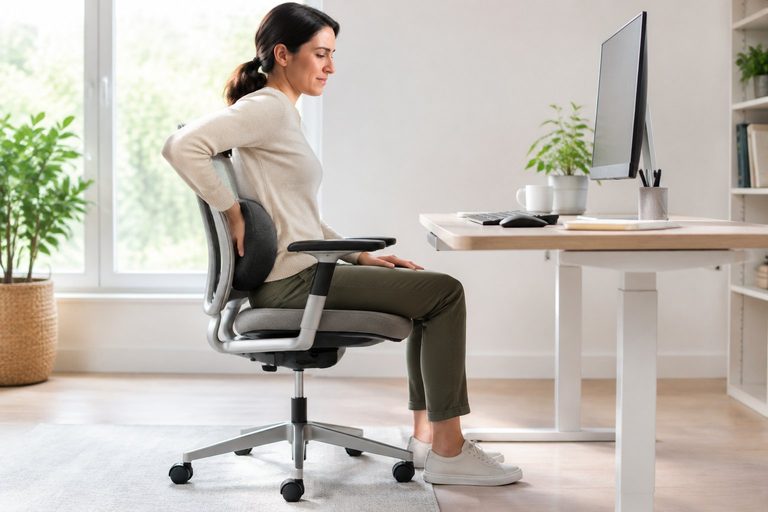
- Avoid staying in one position for too long, especially sitting for long stretches
- Do any home exercises your chiropractor has prescribed, consistently
- Stay hydrated to support soft tissue repair
- Sleep on a supportive pillow that keeps your neck in a neutral position
- Avoid heavy lifting or activity that strains the injured area until cleared to do so
These steps may seem small, but they can meaningfully speed up your recovery when combined with regular chiropractic care.
Frequently Asked Questions
How soon after a car accident should I see a chiropractor?
Ideally, you should see a chiropractor within 72 hours of your accident, even if you feel fine. Symptoms from soft tissue injuries can take 24 to 48 hours or longer to appear, and early evaluation helps prevent minor injuries from becoming chronic conditions.
What symptoms after a crash indicate I should get evaluated, even if I feel okay?
Neck stiffness, mild headaches, shoulder tension, back achiness, or any numbness and tingling are all reasons to get checked out after a crash. These symptoms may seem minor at first, but can signal deeper soft-tissue or spinal injuries that benefit from early care.
What can I expect during the first chiropractic visit after an auto accident?
Your first visit will include a detailed consultation, a review of your accident history, and a physical examination that may involve orthopedic and neurological testing. Based on those findings, your chiropractor will explain what they found and outline a care plan tailored to your injuries.
Will my auto or accident insurance cover chiropractic treatment, and what paperwork is needed?
In many cases, auto insurance personal injury protection (PIP) coverage or the at-fault driver’s liability insurance may cover chiropractic care related to your accident. You will typically need documentation of the accident, your diagnosis, and a treatment plan from your chiropractor. Our team can help guide you through what is needed during your initial visit.
How many chiropractic sessions are typically needed for whiplash or back pain after a collision?
The number of visits depends on the severity of your injuries and how your body responds to care. Mild whiplash may improve in several weeks, while more significant injuries may require a few months of consistent care. Your chiropractor will reassess your progress regularly and adjust your plan as you heal.
Do I need a referral from a medical doctor or attorney to start chiropractic care after an accident?
In most cases, you do not need a referral to begin chiropractic care after a car accident. You can contact Metro Acute Chiropractic directly by calling (303) 221-3342 or visiting metroacutechiro.com/appointments to schedule your evaluation and get started right away.
Start Your Path to a Pain-Free Recovery
Don’t let the lingering effects of a car accident hold you back from the activities you love. Professional chiropractic care offers a safe, effective way to address injuries at their source and help you regain your strength.
By seeking evaluation and treatment early, you are taking a proactive step toward a faster recovery and long-term wellness. You can call our office at (303) 221-3342 or request an appointment online.
Our team will help you get scheduled quickly, especially if you are dealing with pain from a recent accident. The sooner you come in, the sooner we can help you start recovering.