If you’re living with migraines in Lone Tree or the south Denver metro, you know how disruptive and exhausting they can be. The throbbing head pain, sensitivity to light, and nausea can leave you sidelined from work, family, and the activities you love.
Here at Metro Acute Chiropractic, we understand how overwhelming it feels when migraines keep coming back. Our team has spent over 16 years helping patients throughout Lone Tree, Highlands Ranch, Parker, Castle Pines, and the broader south Denver area find real relief without relying on drugs or surgery.
We take the time to understand what’s behind your head pain and build a care plan that addresses the root causes. This article is meant to share general information about how chiropractic care may support migraine relief and improve your quality of life.
If you’re dealing with frequent or severe headaches, a professional evaluation is always the right place to start.
How Chiropractic Care May Help Migraines
Chiropractic care looks at the musculoskeletal and nervous system factors that may be involved in your migraines. Many patients discover that spinal dysfunction, neck stiffness, and nerve irritation play a key role in how often and how badly migraines occur.
When Migraines Have A Neck And Spine Connection
A significant number of migraine sufferers also experience neck pain and stiffness. The upper cervical spine, just below the base of your skull, is closely connected to the nerves and blood vessels involved in head pain.
When joints and muscles in this area aren’t moving properly, it can irritate surrounding nerves and contribute to migraine episodes. Chiropractic adjustments to the cervical and upper thoracic spine may help reduce this tension.
Many patients report that addressing neck dysfunction helps lower both the frequency and severity of their migraines over time. While results vary, chiropractic care can be a meaningful part of a broader migraine treatment plan.
How Chiropractic Adjustments Support Nervous System Function
Your spine houses and protects your spinal cord, which is a core part of your nervous system. When spinal joints are restricted or misaligned, low-level irritation can affect how your body processes pain signals.
Chiropractic adjustments aim to restore normal joint motion and reduce that irritation. Over a series of visits, many patients notice meaningful changes in how their bodies respond to stressors that once set off migraines.
Why Some Patients Seek Lasting Relief Instead Of Short-Term Symptom Control
Pain medications can offer quick relief, but they don’t address what’s causing migraines in the first place. Some patients also develop medication overuse headaches from relying too heavily on pills.
Chiropractic care focuses on correcting the underlying structural and neurological issues contributing to your migraines. For those seeking a drug-free, non-surgical approach that works toward lasting relief, this type of care is worth exploring.
Migraine Symptoms, Triggers, And Overlap With Other Head Pain
Not all head pain is the same. Understanding the differences between migraines and other headaches helps guide the right treatment approach.
Upper back pain and neck tension often play a role alongside head pain, which is why a thorough evaluation matters.
Migraines Vs Tension Headaches
Migraines and tension headaches are both common, but they feel and behave differently. Tension headaches typically produce a dull, steady ache that wraps around the head.
Migraines tend to cause moderate to severe pain that pulses or throbs, often on one side. They may also come with:
• Nausea or vomiting
• Sensitivity to light or sound
• Visual disturbances or aura
• Difficulty speaking
• Irritability
Tension headaches usually occur on their own without these additional symptoms. Getting the right diagnosis matters because the treatment approach for each can differ.
Common Triggers In Lone Tree And Colorado
Many factors can trigger migraines in daily life. For those of us in Lone Tree and the surrounding area, Colorado’s altitude changes, dry air, and shifting weather patterns can be contributing factors.
Other common triggers include:
• Poor sleep or irregular sleep schedules
• Stress from work, commuting, or screen time
• Dehydration, especially at altitude
• Certain foods or alcohol
• Hormonal changes
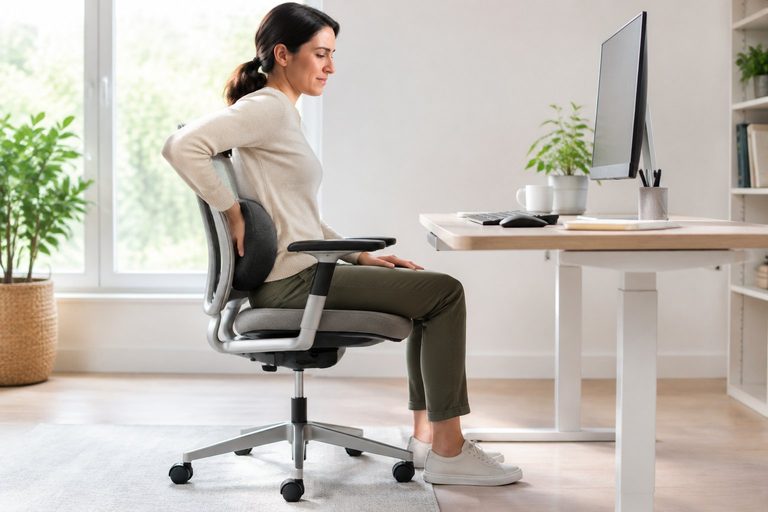
• Prolonged time in poor posture at a desk
Identifying your personal triggers is a key step in reducing how often migraines occur. Our team works with you to map out patterns and make lifestyle adjustments alongside clinical care.
When Upper Back Pain And Neck Tension Add To Headaches
Many migraine sufferers also deal with neck pain and upper back pain. The muscles and joints of the cervical and upper thoracic spine are closely connected to the structures involved in head pain.
When these areas are tight or restricted, they can amplify migraine symptoms or even act as a trigger on their own. If you notice your migraines start with neck stiffness or shoulder tension, be sure to mention that during your evaluation.
It often points to a musculoskeletal component that chiropractic care and soft tissue treatment may be able to address.
What We Evaluate During A Migraine Visit
Your first visit at Metro Acute Chiropractic is about gathering the full picture of your health. We look at your history, your posture and movement, and any structural issues that may be contributing to your migraines before recommending a care plan.
Health History, Patterns, And Red Flags
We start by asking detailed questions about your migraines: how often they occur, how long they last, what the pain feels like, and what seems to bring them on.
We also review your general health history, sleep habits, diet, medications, and stress levels. Some types of head pain can signal a more serious medical issue.
During your intake, we screen for red flags that may require imaging or a referral to a neurologist or physician before proceeding with chiropractic care. Your safety always comes first.
Posture, Mobility, And Possible Subluxations
We assess how your spine moves and how you hold yourself during daily activities. Poor posture, restricted joint mobility, and subluxations (areas of the spine where joints are not moving correctly) can all contribute to nerve irritation and muscle tension that feed into migraine patterns.
Our evaluation includes:
• Postural analysis from multiple angles
• Cervical and thoracic range of motion testing
• Palpation of the spine and surrounding soft tissue
• Assessment of muscle tightness and tenderness
This helps us identify the specific areas that need attention and guides the approach to your pain management and care.
When We May Recommend Co-Management Or Outside Medical Care
Chiropractic care works best as part of a broader health picture. If your migraines appear to have a neurological, hormonal, or dietary component that falls outside our scope, we will say so clearly and recommend the appropriate specialist.
We also work alongside your primary care provider or neurologist when co-management makes sense. Our goal is your best outcome.
Treatment Options Beyond Spinal Adjustments
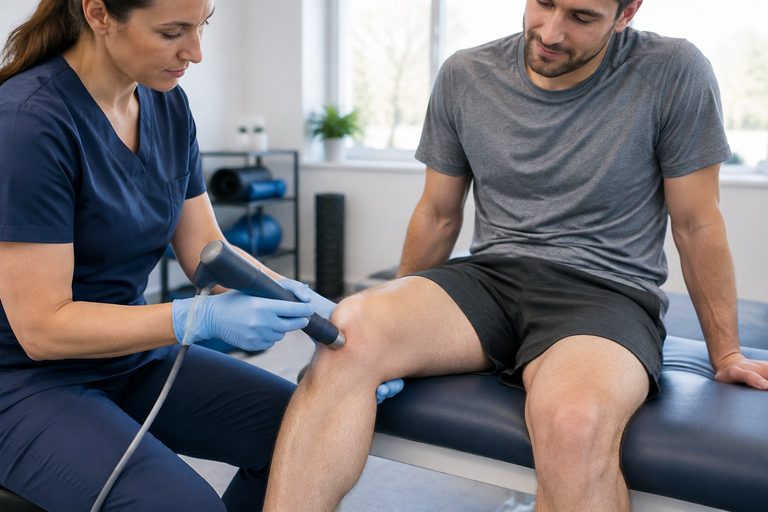
Spinal adjustments are one tool, and often an important one, for migraine care. Our clinic in Lone Tree offers several complementary services that can work alongside adjustments to give you more complete relief.
Acupuncture For Migraine And Tension Relief
Acupuncture has been studied as a treatment for migraines and shows promising results for some patients. It involves placing thin needles at specific points to influence pain pathways and reduce muscle tension.
Many migraine sufferers find that acupuncture helps lower the frequency of episodes and reduces overall head pain intensity. At Metro Acute Chiropractic, acupuncture is offered as part of an integrated care plan.
It pairs well with chiropractic adjustments and may be especially helpful for patients who have strong stress-related or tension-related migraine patterns.
Massage Therapy And Myofascial Work For Tight Muscles
Tight muscles in the neck, shoulders, and upper back are a common contributor to both tension headaches and migraines. Therapeutic massage and myofascial release work directly on these soft tissues to reduce tension, improve circulation, and calm the nervous system.
Myofascial release targets the connective tissue that surrounds muscles and can become restricted after injury, poor posture, or chronic stress. Massage therapy as part of a broader care plan may help extend the results of your chiropractic adjustments.
Physical Therapy, Corrective Exercise, And Rehabilitation Support
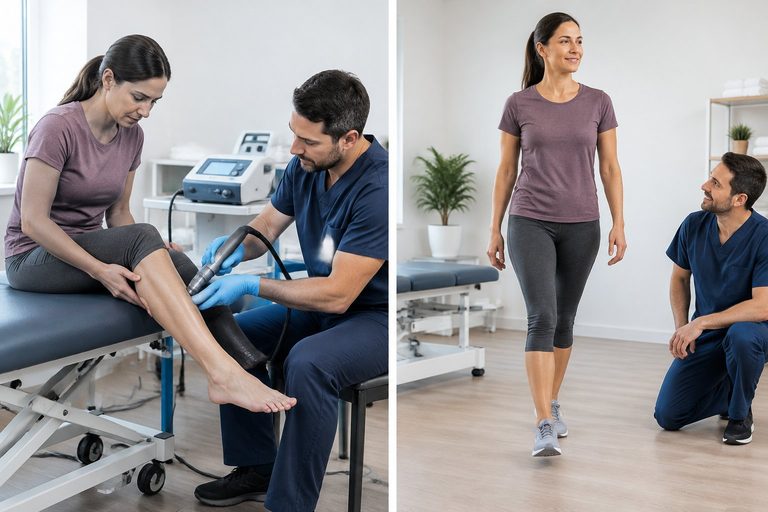
Weak or imbalanced muscles in the neck and upper back often contribute to the postural problems that feed into migraines. Physical therapy and corrective exercises are a key part of long-term rehabilitation because they help your body hold proper alignment between visits.
Our team may prescribe:
• Cervical strengthening and stabilization exercises
• Stretching routines for tight neck and shoulder muscles
• Ergonomic guidance for desk workers and screen users
• Movement retraining for daily posture habits
These tools shift care from passive treatment to active participation in your own recovery. Over time, a stronger, better-aligned spine is less likely to contribute to migraine episodes.
Choosing Local Care In Lone Tree
Patients from across the south Denver metro choose Metro Acute Chiropractic for migraine and head pain care because of our root-cause approach, experienced team, and full range of in-office services. Our Lone Tree location makes it easy to access quality care without a long drive.
Why Patients From South Denver Metro Visit Our Lone Tree Office
Our clinic is located at 9898 Rosemont Ave, Lone Tree, CO 80124, which is convenient for residents of Highlands Ranch, Parker, Centennial, Castle Pines, Castle Rock, Englewood, and the Denver Tech Center. Most patients are within a 15 to 20 minute drive, making consistent care practical and realistic.
With over 16 years of experience and thousands of patients helped, our team brings a depth of clinical knowledge that translates to thorough evaluations and thoughtful care plans. Every patient’s migraines have their own patterns, and your care plan should reflect that.
Ready to get started? Call us at (303) 221-3342 or request an appointment at metroacutechiro.com/appointments.
What To Expect From A Root-Cause, Patient-First Approach
At Metro Acute Chiropractic, there is a clear difference between care that masks symptoms and care that works to resolve the underlying problem. Our patient-first approach means we take time at each visit to reassess how you are responding and adjust your care accordingly.
You will not be rushed through a visit or handed a standard protocol. We ask questions, we listen, and we explain what we are finding and why we are recommending a particular course of care.
That transparency builds trust and helps you stay engaged in your own recovery.
Next Steps If You Are Ready To Be Evaluated
If you have been dealing with migraines and want a drug-free, non-surgical evaluation to see if chiropractic care may help, the next step is simple. Schedule a new patient visit so we can review your history, examine your spine and posture, and identify any structural factors contributing to your head pain.
Come prepared to discuss when your migraines started, how often they occur, what you have already tried, and any other symptoms you experience alongside head pain. The more detail you can share, the more useful your first visit will be.
Frequently Asked Questions
Can chiropractic care help reduce the frequency or severity of migraines?
Many patients find that chiropractic care helps reduce both how often and how severely migraines occur, particularly when neck dysfunction or spinal tension is a contributing factor. Results vary from person to person, and chiropractic care works best as part of a broader care plan.
A thorough evaluation helps determine whether this approach is a good fit for your specific situation.
Can a misaligned spine or neck issues contribute to migraine headaches?
Yes, the upper cervical spine has a close relationship with the nerves and blood vessels involved in head pain, and restricted or misaligned joints in this area can contribute to migraine patterns.
Many migraine sufferers also report neck stiffness and neck pain alongside their headaches. Addressing these structural issues may help lower the overall migraine burden for some patients.
What should I expect during my first chiropractic visit for migraine-related symptoms?
Your first visit will include a detailed health history review, questions about your migraine patterns and triggers, and a physical examination of your posture, spinal mobility, and soft tissue tension.
We screen for any red flags that might indicate a need for outside medical referral before beginning care. From there, we build a care plan tailored to your findings.
Is chiropractic treatment for migraines safe, and what are the potential risks?
Chiropractic care is generally considered safe for most adults when performed by a trained and experienced provider. Some patients feel mild soreness after an adjustment, similar to what you might feel after a new exercise.
Our team always conducts a thorough intake to identify any contraindications before beginning treatment.
How many chiropractic sessions are typically needed before noticing migraine improvement?
We understand how frustrating and exhausting migraines can be. Many of our patients come to us searching for relief after trying multiple approaches.
The number of chiropractic sessions needed before noticing improvement can vary. Factors such as how long you’ve experienced migraines, the underlying causes, and your individual response to care all play a role.
Some people start to feel better within the first few visits. Others may notice gradual changes over several weeks.
Here at Metro Acute Chiropractic, we reassess your progress regularly. Our team will adjust your care plan to best support your healing as you respond to treatment.
What other treatments or lifestyle changes might a chiropractor recommend alongside adjustments for migraines?
We understand how disruptive migraines can be to your daily life, and our team is here to help ease your discomfort. Here at Metro Acute Chiropractic, we believe in a comprehensive approach to migraine care.
Alongside spinal adjustments, we may recommend therapies such as acupuncture, massage therapy, or myofascial release. Corrective exercises and postural rehabilitation are also important parts of many care plans.
We often discuss lifestyle factors like sleep habits and hydration. Managing stress and addressing nutritional needs can also play a key role in reducing migraine frequency.