We understand how frustrating and life-altering herniated disc pain can be. Whether you’re struggling with sharp back pain, radiating discomfort down your leg, or persistent neck pain, you want answers and real relief.
If you’ve been searching for herniated disc treatment in Lone Tree, CO, you’re in the right place. Here at Metro Acute Chiropractic, our team has over 16 years of experience helping patients across the south Denver metro area find lasting relief, without surgery or prescription drugs.
A herniated disc occurs when the soft inner material of a spinal disc pushes through its tough outer layer. This can put pressure on nearby nerves, causing pain, numbness, or weakness.
It can happen in the low back or the neck, and symptoms can range from mild to severe. The good news is that most herniated discs respond well to conservative care when addressed early.
Let’s walk through what a herniated disc looks and feels like, how we evaluate it, and what treatment options are available. This information is meant to guide you, but it’s not a substitute for a professional evaluation.
Signs Your Disc May Be Causing The Pain
Pain from a herniated disc isn’t always what people expect. It can show up as burning, shooting, or a deep ache, and often travels far from the disc itself.
Knowing the signs can help you get the right care sooner.
Common Symptoms In The Low Back And Leg
A herniated disc in the low back is one of the most frequent causes of back pain we see here in our office. The disc material can press on spinal nerve roots, causing pain that radiates down the buttock, into the thigh, and even to the foot.
This pattern is often called sciatica. Symptoms you might notice include:
• Aching, burning, or sharp pain in the lower back
• Pain that travels down one leg (sciatica)
You may also experience numbness or tingling in the thigh, calf, or foot, or weakness when lifting the foot or standing on your toes. Pain often worsens with sitting, bending forward, or coughing.
A slipped disc in the lumbar spine can also cause stiffness, making it difficult to stand up straight after sitting.
How Neck-Related Symptoms Can Feel Different
When a disc herniates in the neck, symptoms show up in the neck, shoulders, and arms. Neck pain from a disc problem often feels sharp with certain movements.
You might notice a catching sensation when turning your head. Other symptoms can include:
• Pain radiating from the neck into the shoulder or down the arm
• Tingling or numbness in the fingers or hand
You may also experience weakness in your grip or arm muscles, headaches starting at the base of the skull, or muscle spasms along the neck and upper back.
These symptoms can sometimes be mistaken for carpal tunnel or shoulder problems, so a thorough exam is important.
When Pain, Numbness, Or Weakness Needs Prompt Attention
While most disc-related pain can be managed conservatively, some symptoms require prompt care. Spinal stenosis, where the spinal canal narrows and compresses nerves, can overlap with disc herniation and may worsen quickly.
Seek immediate care if you notice:
• Loss of bladder or bowel control
• Numbness in the groin or inner thighs (saddle anesthesia)
Sudden, severe weakness in both legs or pain following a fall or accident also warrant urgent attention. These can signal a serious nerve emergency.
If you notice any of these signs, go to an emergency room or call 911.
How We Evaluate The Problem And Find The Root Cause
Getting a clear picture of what’s happening in your spine is the first step toward effective care. Our approach combines a detailed clinical exam with targeted imaging when necessary.
We also make sure to rule out other conditions that can mimic a disc injury.
History, Movement Testing, And Neurologic Exam
Our evaluation starts with a conversation. We ask about when your pain began, what makes it better or worse, if it travels, and how it affects your daily life.
Next, we assess:
• Range of motion in the spine, hips, and extremities
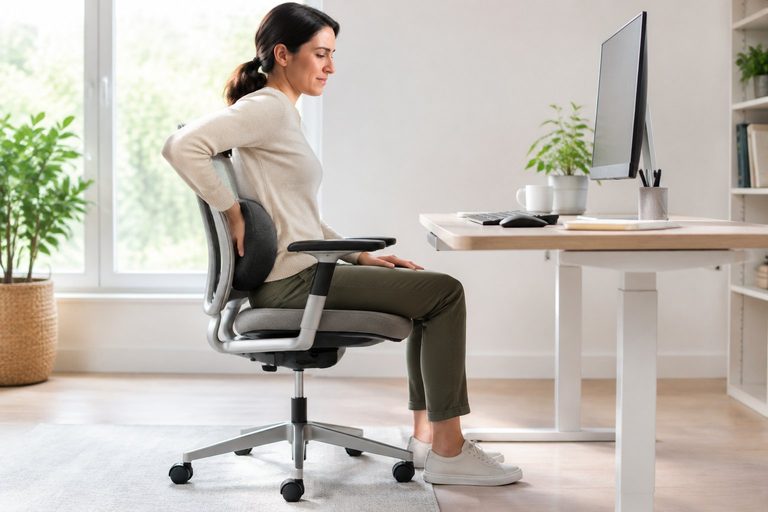
• Posture and alignment to identify compensatory patterns
We perform neurologic tests, including reflexes, sensation, and muscle strength. Orthopedic tests help pinpoint which spinal level may be involved.
This thorough approach helps us determine whether a degenerative disc, a compressed nerve root, or another structure is causing your symptoms.
When Imaging Or A Specialist Referral May Be Needed
Not every patient needs an MRI right away. For many, a clinical exam is enough to start care.
If your symptoms are complex, not improving as expected, or suggest something more serious, imaging becomes important. An MRI is best for visualizing soft tissue like disc material and can confirm the location and severity of a herniation.
X-rays help assess bone alignment and disc height loss. If imaging reveals something beyond conservative care, such as signs of a spinal cord injury or the need for surgery, we coordinate a referral to a qualified specialist.
Patients in the Lone Tree area have access to excellent spine surgeons and neurosurgeons nearby.
Conditions That Can Mimic A Disc Injury
Several other conditions can produce symptoms similar to a herniated disc. Missing the right diagnosis can delay your recovery.
Conditions that can feel like a disc herniation include:
• Piriformis syndrome, which compresses the sciatic nerve in the hip
• Sacroiliac joint dysfunction, which causes low back and buttock pain
Facet joint irritation, degenerative disc disease, and hip pathology can also mimic disc problems. A thorough evaluation helps us target your treatment to the true source of your pain.
Conservative Care Options Before Surgery
Most herniated discs respond well to non-surgical treatment. Surgery is rarely the first step, and many people avoid it entirely with the right combination of conservative therapies.
Chiropractic Care And Spinal Decompression
Chiropractic care focuses on restoring proper movement and alignment to the spine. This can reduce pressure on the affected disc and surrounding nerves.
At Metro Acute Chiropractic, we use hands-on spinal adjustments tailored to your diagnosis, your pain level, and what your spine can tolerate. For patients who haven’t found full relief from standard chiropractic care, spinal decompression is often the next logical step.
Spinal decompression uses gentle, controlled traction to create negative pressure within the disc. This may encourage the disc material to retract and allows nutrients and healing to reach the damaged tissue.
Many patients with chronic disc pain find this approach helpful when other methods haven’t worked. Our team has helped thousands of patients over the years using these drug-free, root-cause methods.
Physical Therapy, Physiotherapy, And Corrective Exercise
Movement-based care is essential in disc recovery. Physical therapy and physiotherapy help restore flexibility, strengthen the muscles that support the spine, and correct movement patterns that may have contributed to the disc problem.
At Metro Acute Chiropractic, we incorporate:
• Corrective exercises tailored to your specific needs
• Stretching routines to reduce nerve tension and muscle tightness
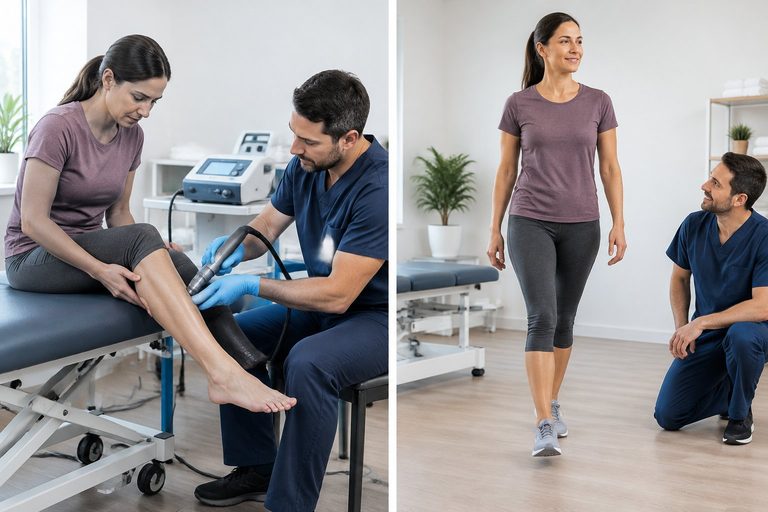
We also use physiotherapy modalities such as electrical muscle stimulation and ultrasound therapy. Postural retraining helps reduce ongoing stress on your discs.
Consistent exercise-based care not only reduces current symptoms but also lowers the risk of re-injury. We make sure you leave with home exercises you can actually do.
Pain Management, Acupuncture, And Home Care Support
Managing day-to-day pain while your disc heals is just as important as treating the underlying cause. Acupuncture is an effective option for many patients with disc-related nerve pain.
It stimulates specific points in the body that may help reduce inflammation, calm the nervous system, and improve circulation to the affected area. Additional support options include:
• Massage therapy and myofascial release to ease muscle guarding
• Kinesio taping to support the spine and reduce pain signals
Custom orthotics can improve foot mechanics and reduce spinal load. We also provide at-home guidance for ice, heat, and movement to help you manage between visits.
You can reach us at (303) 221-3342 or request an appointment at metroacutechiro.com/appointments. We serve patients throughout Lone Tree, Highlands Ranch, Parker, Centennial, Castle Pines, Castle Rock, Englewood, and the Denver Tech Center.
When A Surgical Opinion May Make Sense
Surgery is not the answer for most herniated discs, but there are situations where getting a surgical opinion is the responsible next step. Knowing when to escalate ensures you don’t wait too long when intervention could prevent permanent nerve damage.
Red Flags And Failed Conservative Care
Most spine specialists recommend trying conservative care for at least six to twelve weeks before considering surgery. The decision to pursue a surgical opinion becomes clearer when specific warning signs are present or when non-surgical treatment hasn’t provided relief.
Reasons to seek a spine surgeon or neurosurgeon evaluation include:
• Loss of bladder or bowel function
• Progressive leg or arm weakness
Severe pain that hasn’t improved after consistent conservative care, or worsening neurologic deficits, are also reasons to seek further evaluation. When these situations arise, our team coordinates a referral right away.
Minimally Invasive Procedures Patients May Hear About
If surgery becomes necessary, patients today have more options than ever. Minimally invasive spinal surgery (MISS) is now widely available and often allows for faster recovery.
Common procedures include:
• Microdiscectomy: removes the portion of the disc pressing on a nerve root
• Minimally invasive spinal surgery (MISS): uses smaller incisions and specialized tools to reduce tissue damage
A qualified spine surgeon or neurosurgeon will discuss which approach is best for your anatomy and diagnosis.
Fusion Versus Motion-Preserving Disc Procedures
When a disc is severely damaged and needs to be removed, the surgeon must decide how to handle the space left behind. Two main options exist, each with its own pros and cons.
Spinal fusion joins two vertebrae together using bone graft and hardware. This eliminates motion at that segment, which can reduce pain but may put extra stress on the levels above and below over time.
Disc replacement procedures, also called artificial disc replacement or disc arthroplasty, insert a prosthetic device into the disc space to preserve natural motion. Not every patient is a candidate for disc arthroplasty; factors like age, bone quality, and the extent of degeneration are considered.
A board-certified spine surgeon or neurosurgeon will walk you through these options in detail.
Related Spine Conditions And Advanced Procedures
Herniated discs often occur alongside other spinal changes. Many patients have additional degenerative changes that affect their symptoms and care.
Degenerative Changes And Spinal Stenosis
Degenerative disc disease involves the gradual breakdown of disc tissue over time. As discs lose height and hydration, the surrounding bones and ligaments can shift and thicken, sometimes narrowing the spinal canal.
This narrowing is called spinal stenosis and can compress the spinal cord or nerve roots along with any disc herniation present. Patients with both degenerative disc disease and stenosis may notice symptoms with walking that ease when sitting or bending forward.
This pattern, called neurogenic claudication, is a common sign that stenosis is part of the picture. Treatment often needs to address both conditions together.
Compression Fracture Care Options
A compression fracture occurs when a spinal vertebra collapses or cracks, often due to osteoporosis or a fall. These fractures can cause sudden, severe back pain and may be confused with a disc problem without imaging.
Older adults and postmenopausal women are at higher risk. Conservative management for stable compression fractures may include bracing, activity modification, and pain management.
More severe fractures may need evaluation for interventional procedures.
What Kyphoplasty And Vertebroplasty Are Used For
Kyphoplasty and vertebroplasty are minimally invasive procedures used to stabilize painful compression fractures that haven’t responded to conservative treatment. Both involve injecting a bone cement material into the fractured vertebra to restore stability and reduce pain.
In kyphoplasty, a small balloon is first inserted into the vertebra to restore height before the cement is injected. Vertebroplasty skips the balloon step and injects cement directly.
These procedures are typically performed by interventional radiologists or spine surgeons. If imaging or your clinical presentation suggests a compression fracture, we will refer you appropriately and help coordinate your care.
Getting Local Help In Lone Tree
We know how frustrating and disruptive spine pain can be, whether it’s a new injury or something you’ve been living with for years. Here at Metro Acute Chiropractic, our team is committed to helping you find relief and get back to what matters most.
Metro Acute Chiropractic is located at 9898 Rosemont Ave, Lone Tree, CO 80124. We’ve proudly served patients across the south Denver metro for over 16 years.
What To Expect At Metro Acute Chiropractic
Your first visit begins with a thorough consultation and physical exam. We take the time to listen and understand exactly what you’re experiencing before making any recommendations.
You’ll never be rushed through a generic protocol. Instead, we design a personalized care plan that targets the root cause of your pain.
Our services for disc-related conditions may include:
• Chiropractic adjustments and spinal manipulation
• Spinal decompression therapy
• Physiotherapy modalities
• Corrective and stretching/strengthening exercises
• Acupuncture
• Massage therapy and myofascial release
• Kinesio taping and custom orthotics
We use evidence-informed care and always put your safety first. Our goal is to help you avoid unnecessary medication or surgery whenever possible.
When We Coordinate With Specialists
Sometimes, conservative care isn’t enough, and additional expertise is needed. Our team works closely with trusted spine specialists in the Lone Tree and south Denver area.
We coordinate referrals to experienced spine surgeons and neurosurgeons, including the team at Front Range Spine and Neurosurgery with Dr. Michael Rauzzino. If imaging or your exam suggests a condition beyond chiropractic care, we’ll help guide you through the next steps.
You won’t have to navigate the process alone. We’re here to support you every step of the way.
Serving Lone Tree And The South Denver Metro
Our Lone Tree office is conveniently located for patients from Highlands Ranch, Parker, Centennial, Castle Pines, Castle Rock, Englewood, and the Denver Tech Center. Whether you’re commuting or raising a family nearby, skilled and compassionate spine care is close to home.
Call us at (303) 221-3342 or visit metroacutechiro.com/appointments to request an appointment. Our team is ready to help you take the first step toward feeling better.
Frequently Asked Questions
What are the most effective non-surgical treatments for a herniated disc?
Chiropractic care, spinal decompression, and targeted exercise-based rehabilitation are commonly recommended for herniated disc treatment. Many of our Lone Tree patients also benefit from acupuncture and physiotherapy to manage pain as the disc heals.
Results can vary, so a professional evaluation helps us find the right combination for your situation.
How do I know if my back pain is from a herniated disc or something else?
A herniated disc often causes pain that radiates down a leg or arm, sometimes with numbness, tingling, or weakness. Other conditions, like sacroiliac joint dysfunction or degenerative disc disease, can have similar symptoms.
A proper clinical exam, and imaging when needed, is the best way to find out what’s causing your pain.
When should I see a specialist for a suspected herniated disc?
If your pain is severe, worsening, or comes with leg or arm weakness and numbness, you should seek care soon. Symptoms like loss of bladder or bowel control require emergency attention right away.
For less urgent cases, starting with a chiropractic evaluation is a great first step before considering specialist care.
What sleeping position is best for a bulging disc?
Sleeping on your side with a pillow between your knees is often helpful for low back disc problems, as it keeps your spine in a more neutral position. For neck issues, a supportive pillow that keeps your head level with your shoulders is usually most comfortable.
We can offer personalized advice based on your specific needs.
How long does it usually take to recover from a herniated disc with conservative care?
Many patients notice improvement within four to eight weeks of consistent conservative care, but recovery timelines can vary. Some improve faster, while others with more significant nerve involvement may take longer.
Staying consistent with your care plan and home exercises makes a big difference in your recovery.
What are the warning signs that a herniated disc may require surgery?
We understand how concerning it can be to experience severe pain, numbness, or weakness from a herniated disc. Here at Metro Acute Chiropractic, our team is committed to helping you navigate these symptoms with care.
Loss of bladder or bowel control is a significant warning sign. Progressive muscle weakness in the legs or arms is another red flag that needs prompt attention.
If you notice severe pain that has not improved after six to twelve weeks of conservative treatment, it’s important to let us know. Spreading numbness or worsening weakness also means you should be evaluated by a spine specialist.
Our team helps you identify when a surgical referral makes sense and coordinates that process for you. We are here to support you every step of the way.